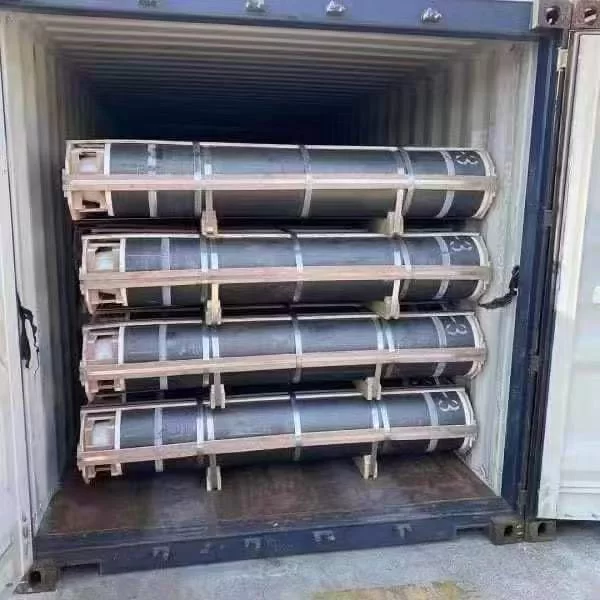
High Purity Calcined Anthracite from Artificial Graphite manufacturer
Achieving precise carbon control in high-temperature metallurgy requires more than just raw carbon; it demands materials engineered for stability and purity. Calcined Anthracite Coal stands as a critical solution for industries where moisture and volatile matter can compromise the integrity of the final alloy. By subjecting premium anthracite to rigorous thermal treatment, the resulting product offers the high density and electrical conductivity necessary for demanding smelting and casting environments.
For procurement managers in the steel and iron sectors, the transition from raw anthracite to a calcined grade represents a strategic move toward reducing slag formation and accelerating reaction speeds. This material is specifically engineered to serve as a high-efficiency recarburizer, ensuring that the carbon additive integrates seamlessly into the melt without introducing unwanted impurities. Understanding the technical synergy between the calcination process and the resulting physical properties is key to optimizing production yields and reducing casting costs.

The Technical Mechanism of DC Electric Calcination for Carbon Purity
The transformation of premium anthracite into a high-grade industrial carbon additive is achieved through a precision thermal process. Utilizing advanced DC electric calciners, the raw material is heated to extreme temperatures ranging between 800°C and 1200°C. This specific temperature window is critical; it is high enough to effectively eliminate moisture and volatile organic compounds but controlled enough to maintain the structural integrity of the carbon matrix.
During this process, the removal of volatiles leads to a significant increase in the material's physical density. This reduction in porosity not only enhances the mechanical strength of the coal but also drastically lowers its electrical resistivity. For industries requiring conductive carbon components, this thermal treatment is the primary driver of performance, ensuring that the material can withstand the intense thermal and electrical stresses found in industrial furnaces.
- Volatile Elimination: Near-zero volatile matter ensures a cleaner combustion process.
- Structural Densification: Increased density improves the overall mechanical durability.
- Conductivity Optimization: Lower resistivity facilitates better electrical flow in electrode applications.

Key Performance Advantages in High-Heat Industrial Environments
The primary value of Calcined Anthracite Coal lies in its superior anti-oxidation properties. In high-heat environments, standard carbon materials are prone to rapid oxidation, which leads to material loss and inconsistent carbon levels in the melt. The advanced thermal treatment strengthens the carbon matrix, creating a more resilient structure that significantly resists oxidation, thereby extending the life of the material and improving the efficiency of the chemical reaction.
Furthermore, the emphasis on low ash content is a critical factor for the steel industry. Ash represents mineral impurities that, when introduced into molten metal, contribute to the formation of unwanted slag. By utilizing a low-ash grade calcined product, manufacturers can minimize contamination, reduce the need for extensive slag removal, and ensure a higher purity level in the final steel product. This combination of high fixed carbon and minimal impurities makes it an ideal choice for precision carburizing.
Strategic Applications in Steelmaking and Iron Casting
In the steel industry, Calcined Anthracite Coal is primarily employed as a high-quality recarburizer. The ability to precisely control the carbon content of steel is essential for determining the hardness, strength, and ductility of the final product. Because calcined anthracite reacts more predictably and efficiently than raw coal, it allows for tighter tolerances in the alloying process, reducing the risk of over-carburization or under-carburization.
Beyond steelmaking, this material serves as a high-efficiency fuel and a raw material for the production of other high-conductivity carbon products. Its mechanical strength makes it suitable for heavy-duty industrial use where material crushing or degradation would otherwise lead to operational downtime. Whether used in the production of pipes, auto parts, or boilers in ductile iron foundries, the stability of the carbon supply directly impacts the consistency of the casting quality.
Performance Comparison: Raw vs. Calcined Anthracite
| Performance Metric | Raw Anthracite | Calcined Anthracite | Industrial Impact |
|---|---|---|---|
| Electrical Conductivity | Low to Moderate | High (Optimized) | Improved Smelting Efficiency |
| Volatile Matter | Significant | Near Zero | Cleaner Combustion |
| Oxidation Rate | Standard | Significantly Lower | Reduced Material Loss |
| Processing Speed | Standard | Accelerated | Faster Reaction Cycles |
| Product Purity | Basic | Premium Grade | Minimized Slag Formation |
Evaluating Supplier Capabilities for Carbon Material Procurement
When selecting an Artificial Graphite manufacturer or carbon supplier, procurement professionals must look beyond the basic technical datasheet. The consistency of the product depends heavily on the supplier's quality monitoring systems. A reliable partner should demonstrate a controlled sourcing process for high-grade anthracite and provide evidence of real-time monitoring for resistivity and density parameters during the DC electric heating cycle.
Logistical stability is equally important. Since calcined coal must be kept in a dry, pure state to maintain its properties, optimized storage and inventory solutions are essential. Buyers should evaluate whether the supplier can offer technical guidance for integrating carbon additives into existing manufacturing processes, ensuring that the transition to a premium calcined grade results in a measurable return on investment through reduced casting costs and improved quality.
Future Trends in High-Performance Carbon Additives
The global shift toward more sustainable and efficient metallurgy is driving the demand for ultra-low impurity carbon materials. As steel plants move toward tighter emissions controls, the elimination of volatile matter through calcination becomes not only a performance requirement but an environmental one. We are seeing an increased trend toward customized carbon grades where ash content and resistivity are tailored to specific alloy requirements.
Looking ahead, the integration of automated dosing systems for recarburizers will require materials with highly consistent physical density and grain size to prevent clogging and ensure uniform feeding. Companies that can provide standardized, high-density calcined anthracite will be better positioned to support the next generation of smart foundries and precision steelmaking facilities.
Frequently Asked Questions About Calcined Anthracite
What is the primary difference between raw anthracite and calcined anthracite?
Calcined anthracite has undergone high-temperature treatment (800-1200°C) to remove volatile matter and moisture, resulting in higher density, better conductivity, and superior anti-oxidation properties compared to raw anthracite.
Why is low resistivity important for industrial carbon products?
Low resistivity ensures better electrical conductivity, which is critical for the efficiency of graphite electrodes and other conductive carbon-based components in smelting and heating.
How is Calcined Anthracite Coal used in the steel industry?
It is primarily used as a high-quality carbon additive (recarburizer) to precisely control the carbon content of the steel and as a high-efficiency fuel source.
What role does the DC electric calciner play in production?
The DC electric calciner provides a controlled, high-temperature environment that allows for the efficient and uniform removal of impurities and volatile matter from the coal.
Does calcination improve the mechanical strength of the coal?
Yes, the process of eliminating volatiles and increasing density significantly strengthens the mechanical structure of the carbon, making it more durable for industrial applications.
What are the benefits of low ash content in carbon additives?
Low ash content prevents the introduction of mineral impurities into the molten metal, reducing slag formation and improving the overall quality and purity of the final steel product.
Technical References and Industry Sources
- World Steel Association - Technical Standards
- ISO Standards for Carbon and Graphite Materials
- Research on Thermal Calcination of Anthracite Coal
- ASTM International - Metallurgical Carbon Specifications
Ready to optimize your metallurgical process with high-purity carbon materials? Contact our technical team today for a specification consultation and sample request.
Related Industrial Carbon Solutions