From high-conductivity electrodes to precision recarburizers, we provide the raw materials necessary for stable and cost-effective industrial production.


Addressing the critical need for high-purity carbon agents in the Angolan smelting and casting landscape.
Angola's industrial landscape is increasingly focusing on the diversification of its manufacturing base, particularly in the extraction and processing of minerals. For local foundries and smelting plants, the availability of consistent, high-quality arc furnace electrodes is paramount to maintaining furnace stability and reducing energy losses during the melting of scrap and alloys.
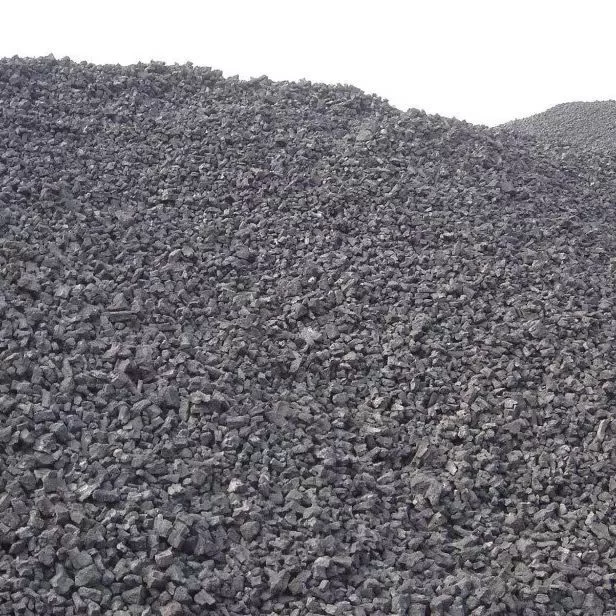
A significant challenge for Angolan operators is the volatility of material quality in the supply chain, which often leads to uneven carbon absorption and increased casting defects. The integration of specialized graphitized petroleum coke helps in achieving a more precise carbon content in ductile and grey iron production, which is essential for the automotive and infrastructure components being manufactured locally.
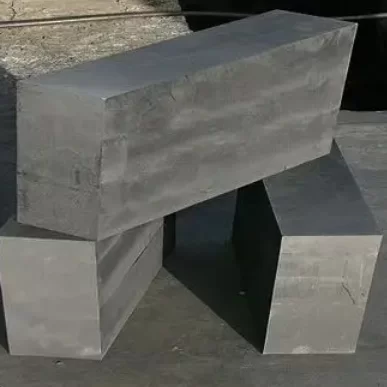
As the region moves toward more standardized industrial practices, there is a growing shift toward high-density graphite blocks and low-ash recarburizers. By optimizing the carbon source, Angolan enterprises can significantly reduce production costs and improve the structural integrity of their final industrial products, aligning with global quality standards.
Tracing the transition from basic carbon additives to engineered graphite materials.
Reliance on raw coal and unprocessed petroleum coke, characterized by high impurity levels and inconsistent melting rates in early foundries.
Introduction of calcined petroleum coke to remove volatiles, enhancing the stability of pre-baked anodes in aluminum smelting.
Adoption of UHP electrodes and graphitized materials to maximize energy efficiency and carbon control in high-precision steelmaking.
Analyzing the technological shifts driving the next generation of graphite and carbon products.
Increasing the degree of graphitization in petroleum coke to improve thermal conductivity and chemical stability for specialty industrial applications.
Developing recarburizers that offer higher carbon recovery rates, effectively reducing the cost per ton of finished steel or iron casting.
Producing graphite powder with precise particle size distributions to meet specific lubricant or additive requirements.
Integrating more efficient production lines that reduce emissions during the calcination process, aligning with international environmental goals.
The future of carbon materials in emerging markets like Angola depends on the ability to scale production without sacrificing purity. As the industry moves toward automated smelting, the demand for carbon agents that provide predictable, repeatable results will grow, offering significant commercial value to providers who can guarantee strict quality control.
Furthermore, the optimization of the supply chain from production hubs in China to the ports of Angola will be critical. Reducing lead times and ensuring bulk stability of materials like petroleum coke will allow local manufacturers to maintain lean inventories and higher operational efficiency.
Real-world deployment of graphite and carbon products across various heavy industrial sectors.
Utilizing high-power arc furnace electrodes to melt steel scrap. This is critical for Angola's infrastructure growth, ensuring the production of high-strength rebar and structural beams.
Applying calcined petroleum coke for pre-baked anodes. This ensures stable electrical conductivity and reduces energy waste in aluminum production.
Using graphitized petroleum coke as a recarburizer for ductile iron pipes and engine parts, ensuring precise carbon distribution and reducing internal casting porosity.
Integrating graphite powder into high-pressure lubricants for heavy mining machinery, reducing friction and wear in the harsh environments of Angolan mineral extraction sites.
Employing specialized carbon agents in the casting of heavy-duty boiler components, optimizing thermal resistance and structural durability for power generation plants.
The global growth and industrial commitment of Ding An Heng New Material Technology Co., Ltd.
Established as a dedicated graphite production enterprise in China, focusing on the core fundamentals of carbon material science.
Developed two full production lines with an annual capacity of 60,000 tons, enabling large-scale supply of UHP/HP/RP electrodes.
Successfully exported high-quality graphite products to Southeast Asia, Middle East, Europe, and Africa, building a global reputation.
Implemented a rigorous laboratory and inspection system to ensure all products strictly follow international quality control standards.
Became a trusted partner for aluminum electrolysis and iron casting foundries worldwide, specializing in CPC and GPC.
Striving to be the most trusted global partner for industrial raw materials, driving progress in global industrial production.
Explore our comprehensive range of industrial electrodes and recarburizers designed for maximum smelting efficiency.
Expert answers to common questions regarding carbon material specifications and industrial application.
Partner with a proven leader in graphite production to enhance the efficiency and stability of your operations in Angola. We provide the scale, quality, and technical expertise your plant needs.
Request Technical Quote