HighPerformance Arc Furnace Electrodes for Industrial Smelting in Laos

HighPerformance Arc Furnace Electrodes for Industrial Smelting in Laos

High-Performance Arc Furnace Electrodes for Industrial Smelting in Laos

Optimizing metal recovery and energy efficiency for Laotian foundries and steel plants with premium carbon solutions from Ding An Heng New Material Technology.

Integrated Carbon Material Solutions for Metal Production

We provide high-conductivity and heat-resistant materials designed to reduce casting costs and improve operational stability for aluminum and steel industries in Asia - Laos.

Analysis of the Industrial Carbon Market in Laos

Understanding the procurement challenges and material requirements of the Laotian smelting sector.

The industrial landscape in Asia - Laos is increasingly focused on the expansion of mineral processing and metal smelting. Local foundries and steelmaking facilities often struggle with inconsistent material purity, which leads to higher energy consumption and accelerated electrode wear. As the region integrates further into Southeast Asian supply chains, there is a growing shift toward standardized, high-grade recarburizers to ensure product consistency.

Procurement patterns in the region typically rely on a mix of regional imports. However, the lack of localized technical support for graphite product optimization remains a significant gap. Businesses are seeking suppliers who can provide not just the raw materials, but also the technical specifications required to optimize the electrolysis process in aluminum production or the carburization process in iron casting.

Three primary pain points dominate the local market: the high cost of logistics for heavy carbon products, the variability in the performance of calcined petroleum coke, and the need for more durable graphite blocks that can withstand aggressive industrial environments without premature failure.

Evolution of Graphite Technology and Regional Adoption

Tracing the transition from basic carbon additives to precision-engineered graphite materials.

The Trajectory of Industrial Carbon Application

EARLY STAGE — BASIC RECARBURIZATION
Initial industrial operations relied on raw carbon sources with high impurity levels, leading to inefficient smelting and higher waste in the casting process.

DEVELOPMENT STAGE — STANDARDIZATION
The introduction of refined graphitized petroleum coke allowed for better control over carbon content in ductile iron and steel, improving the mechanical properties of auto parts and boiler components.

MODERN STAGE — HIGH-EFFICIENCY CONDUCTIVITY
Current operations now prioritize UHP and HP arc furnace electrodes to maximize electrical conductivity and reduce downtime through lower consumption rates.

Future Industrial Trends

1. Shift Toward Ultra-Low Sulfur Materials

Driven by stricter quality standards for export-grade metals, there is an increasing demand for petroleum coke with minimal sulfur content to prevent defects in steel casting.

2. Optimization of Energy Density

As energy costs fluctuate, the focus is shifting toward graphite powder and electrodes that offer superior current density, reducing the overall kilowatt-hour per ton of metal produced.

3. Sustainable Material Lifecycle

Industrial players in Laos are exploring ways to optimize the lifecycle of graphite blocks to minimize waste and improve the ROI of furnace linings.

Global Graphite Trends and Local Outlook

Integrating global technological advancements into the regional industrial framework.

⚡
Conductivity Engineering
Developing graphite with precise crystallinity to enhance electrical flow in smelting furnaces.
🤖
Precision Dosing
Moving toward automated addition of graphite powder for consistent alloy composition.
💳
Supply Chain Stability
Establishing long-term partnerships to mitigate price volatility of raw petroleum coke.
🌱
Resource Optimization
Reducing the carbon footprint through higher purity materials that require less energy for processing.

Strategic Outlook for the Next 5 Years

The next few years will see the Laotian metal industry transition from basic smelting to specialized alloy production. This shift will create a surge in demand for highly consistent recarburizers and specialized graphite electrodes that can handle higher temperatures and more corrosive environments.

While challenges such as infrastructure limitations persist, the opportunity lies in adopting integrated carbon solutions. By partnering with experienced manufacturers who possess full production lines and strict quality control, local enterprises can significantly reduce their casting costs and improve their global competitiveness.

Industrial Application Scenarios in Laos

Practical implementation of graphite products across various heavy industry sectors.

01

Aluminum Electrolysis Plants

In large-scale aluminum smelting, calcined petroleum coke is used to create pre-baked anodes. By ensuring a stable supply of high-purity CPC, plants in Laos can maintain stable current flow and reduce the rate of anode consumption.

02

Grey and Ductile Iron Foundries

Foundries producing auto parts and boilers utilize graphitized petroleum coke to achieve the precise carbon percentage required for structural integrity, preventing brittleness in critical engine components.

03

Steelmaking Arc Furnaces

Steel mills employ UHP arc furnace electrodes to melt scrap metal efficiently. The focus here is on reducing electrode breakage and optimizing the melting cycle through superior material density.

04

Precision Casting Workshops

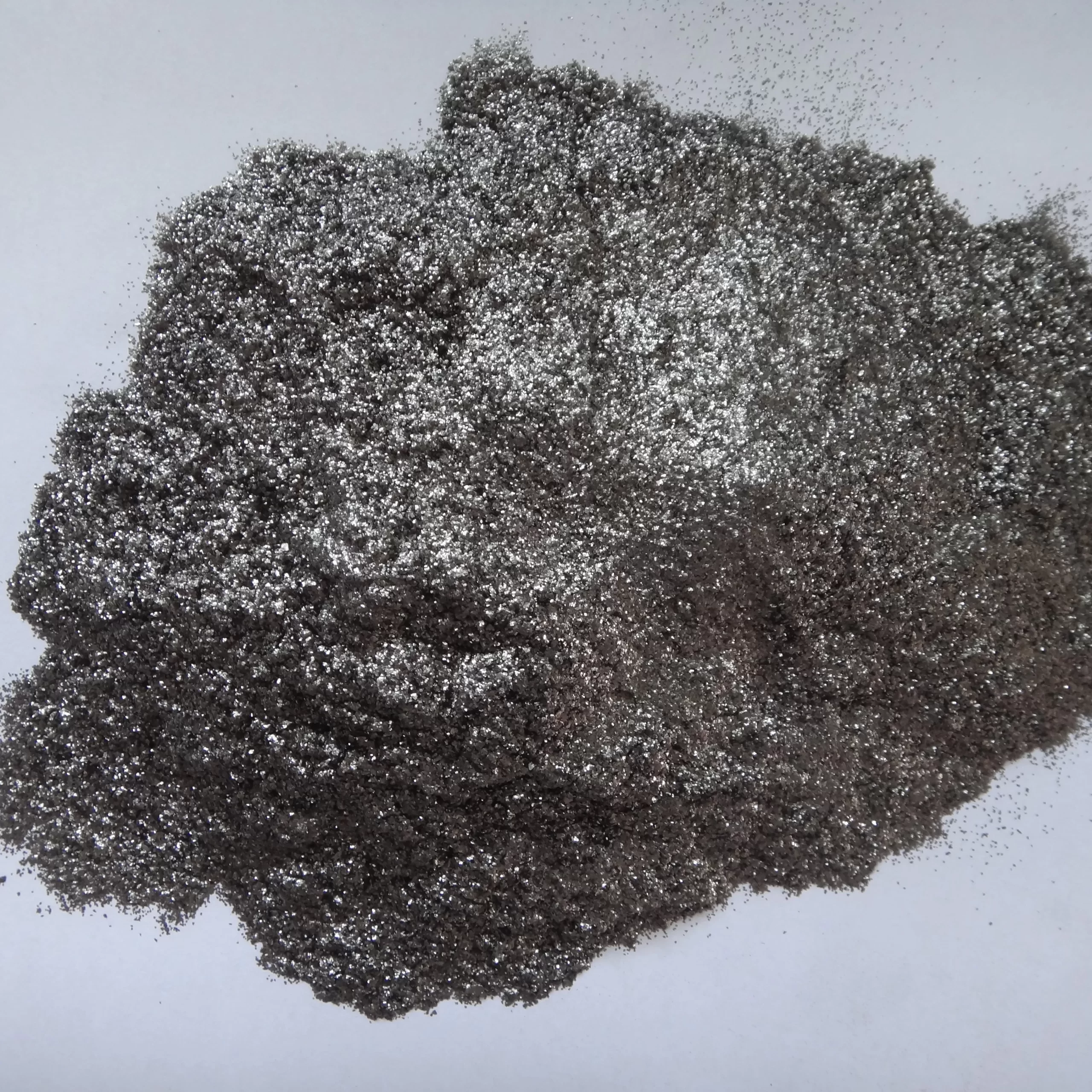
Small to medium-sized workshops use graphite powder for precise carburization of small batches, ensuring a uniform distribution of carbon in specialty alloys.

05

High-Temperature Furnace Lining

Industrial kilns and furnaces in the mining sector use graphite blocks to provide thermal insulation and chemical resistance, extending the life of the furnace interior.

Ding An Heng New Material Technology: A Legacy of Excellence

Two decades of commitment to providing the foundation for global metal industries.

20+ YEARS OF EXPERIENCE

Established as a large-scale graphite production enterprise in China, building a foundation of technical expertise and production capacity.

PRODUCTION EXPANSION

Developed two full production lines, achieving an annual comprehensive capacity of 60,000 tons to serve diverse industrial needs.

QUALITY SYSTEM IMPLEMENTATION

Implemented a rigorous laboratory and inspection system to ensure all Graphite Electrodes and recarburizers meet strict international standards.

GLOBAL MARKET REACH

Expanded exports beyond China to Southeast Asia, the Middle East, Europe, and Africa, establishing a reputation for reliability.

STRATEGIC PARTNERSHIPS

Became a trusted partner for the aluminum, iron casting, and steel industries worldwide, focusing on innovation-driven development.

Comprehensive Carbon & Graphite Product Range

From raw recarburizers to precision electrodes, supporting every stage of the smelting process in Asia - Laos.

Laos Industrial Carbon Procurement FAQ

Answers to common technical and commercial questions from our regional partners.

How do different grades of petroleum coke affect my overall production costs in Laos?

Higher purity grades, such as our graphitized petroleum coke, reduce the amount of material needed to reach the desired carbon level and lower energy consumption during melting. While the initial unit price may be higher, the reduction in casting waste and energy costs typically results in a lower total cost per ton of finished metal.

What are the logistical considerations for importing graphite electrodes to Asia - Laos?

Given the weight and volume of arc furnace electrodes, we optimize packaging for sea and land transport to prevent breakage. We recommend coordinating shipments based on your plant's consumption rate to maintain a safety buffer, as regional transport infrastructure can occasionally lead to lead-time variability.

How can I reduce the consumption rate of my electrodes during the smelting process?

Reducing consumption involves matching the electrode grade (UHP, HP, or RP) to your specific furnace current and temperature. Using high-density electrodes with superior thermal conductivity reduces oxidation and mechanical wear. We provide technical guidance to help you select the optimal grade for your specific operational parameters.

Which recarburizer is best for ductile iron production in local foundries?

For ductile iron, graphitized petroleum coke (GPC) is generally preferred due to its high carbon activity and low sulfur content. This ensures a more uniform graphite nodule distribution, which is critical for the mechanical strength of pipes and auto parts produced in Laotian foundries.

What quality certifications do your graphite products hold for international shipping?

Our production process follows a strict quality control system monitored by our own internal laboratory. We provide detailed inspection reports for each batch of calcined petroleum coke and electrodes to ensure they meet the technical specifications required for international industrial use.

Is your graphite powder suitable for high-precision alloy manufacturing?

Yes, our graphite powder is processed to ensure fine particle size and high purity, making it ideal for precision dosing in specialty alloys. This helps avoid the formation of slag and ensures a homogenous carbon distribution across the melt.

Consult Our Graphite Experts Today

Contact us to receive technical specifications, application guidance, and a professional quotation tailored for your industrial operations in Asia - Laos.

Request Technical Quotation

If you are interested in our products, you can choose to leave your information here, and we will be in touch with you shortly.

  • captcha