Description
Premium Calcinated Anthracite Coal (CAC)
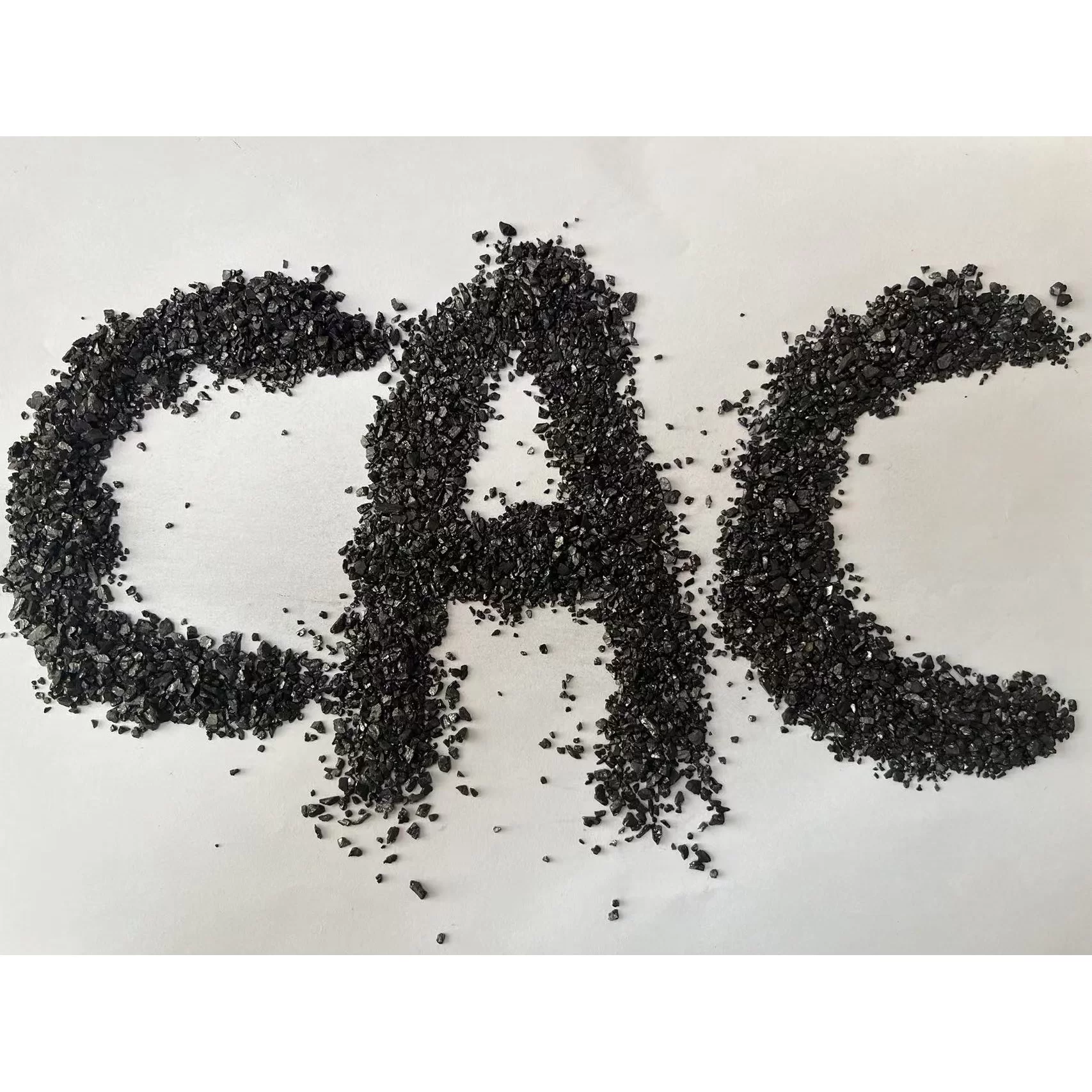
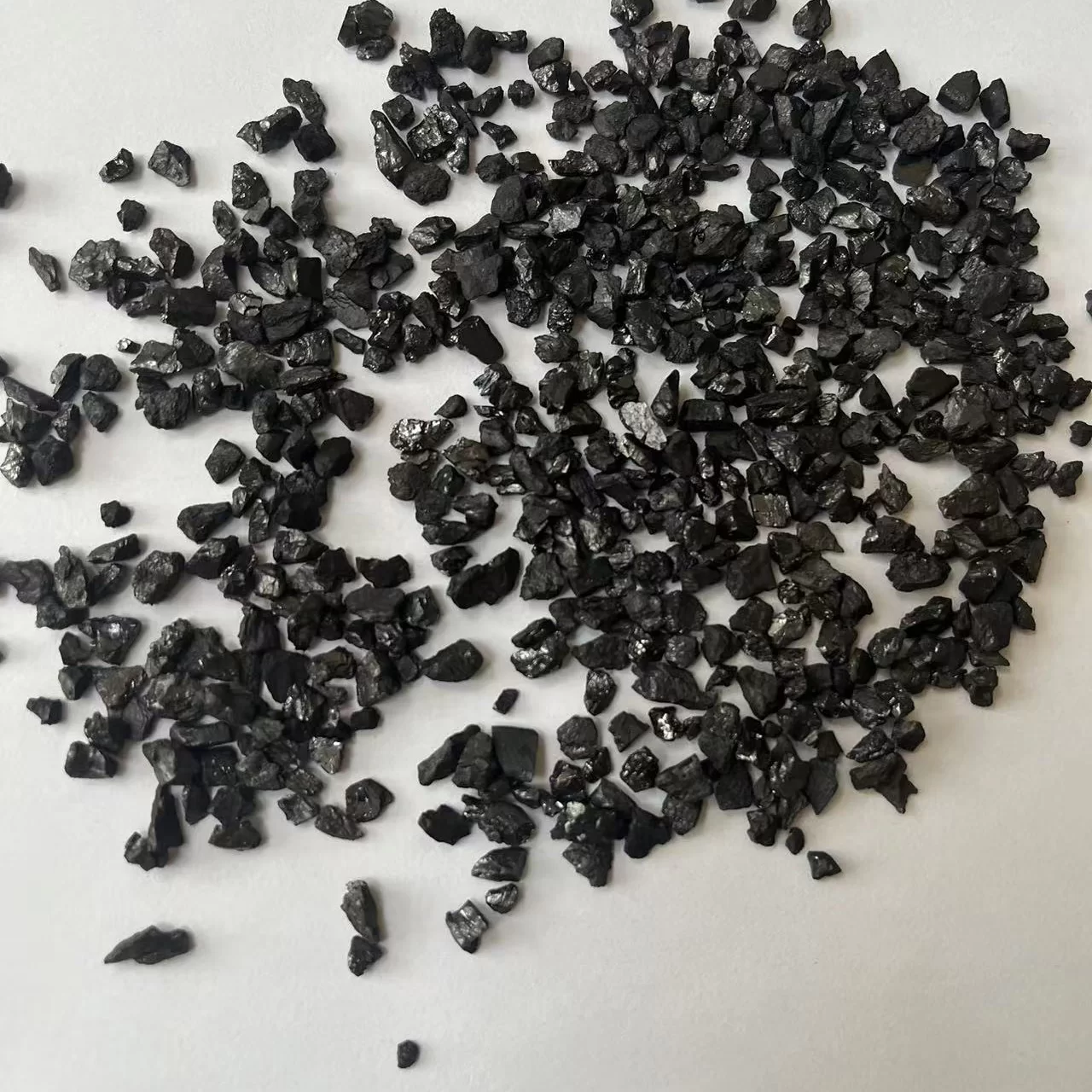
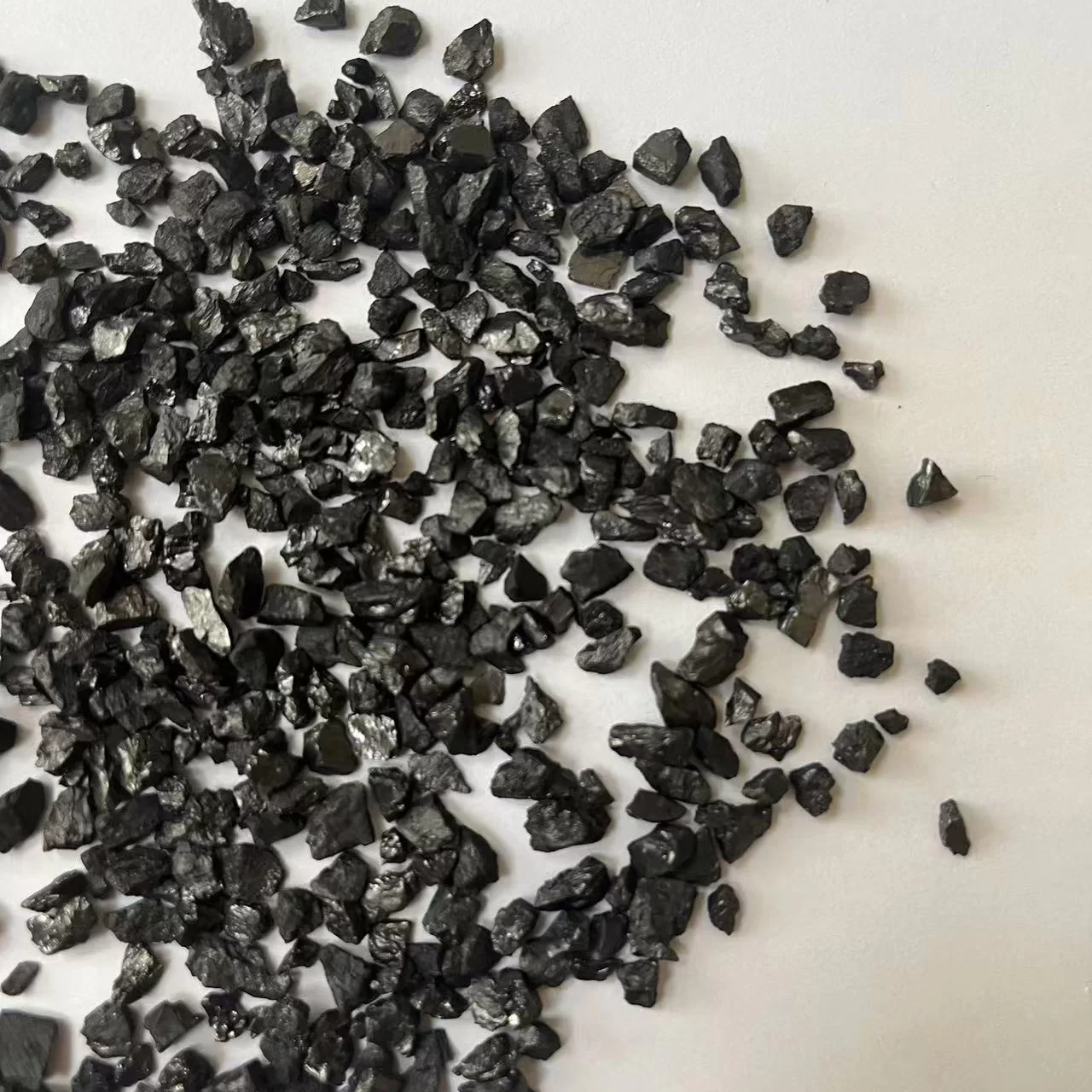
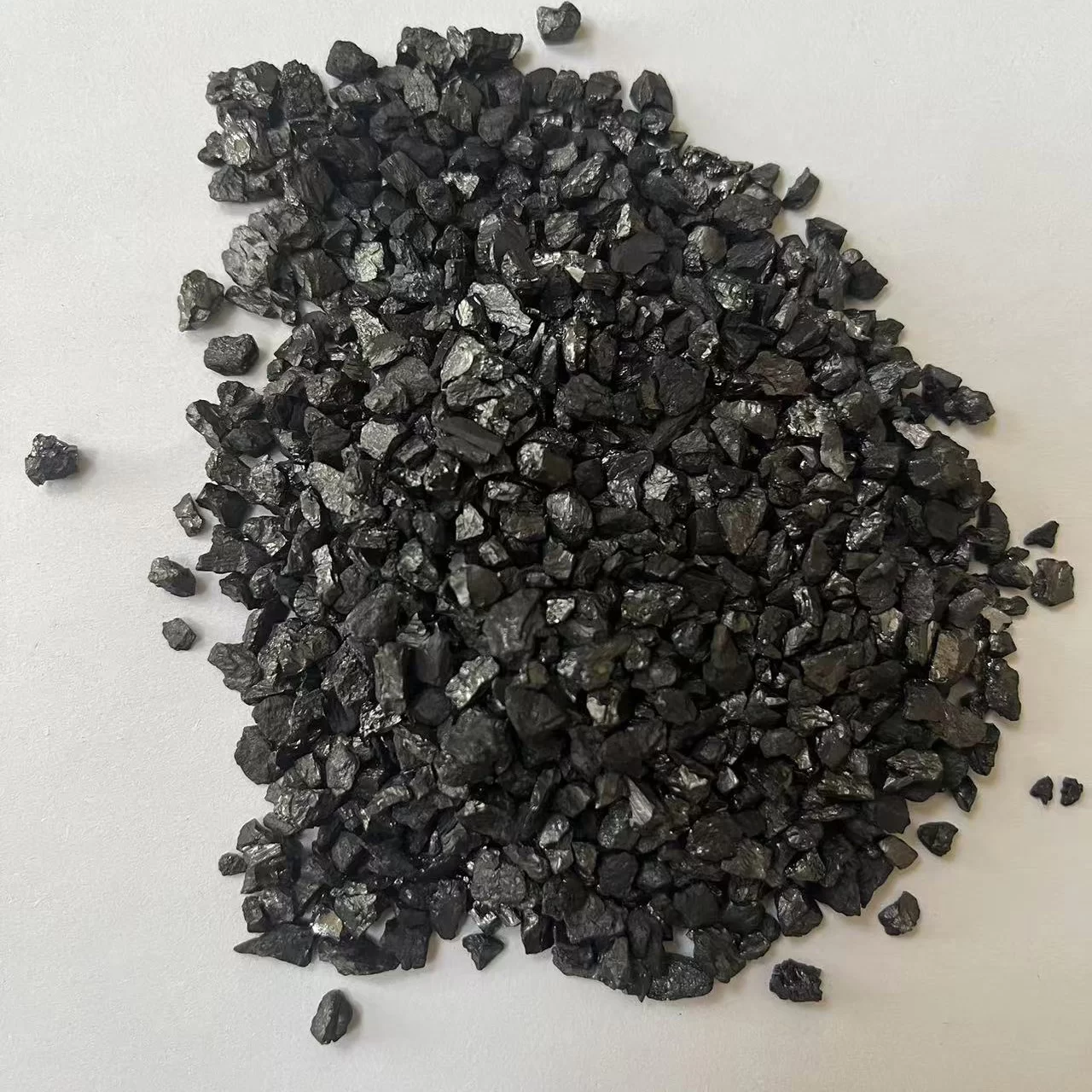
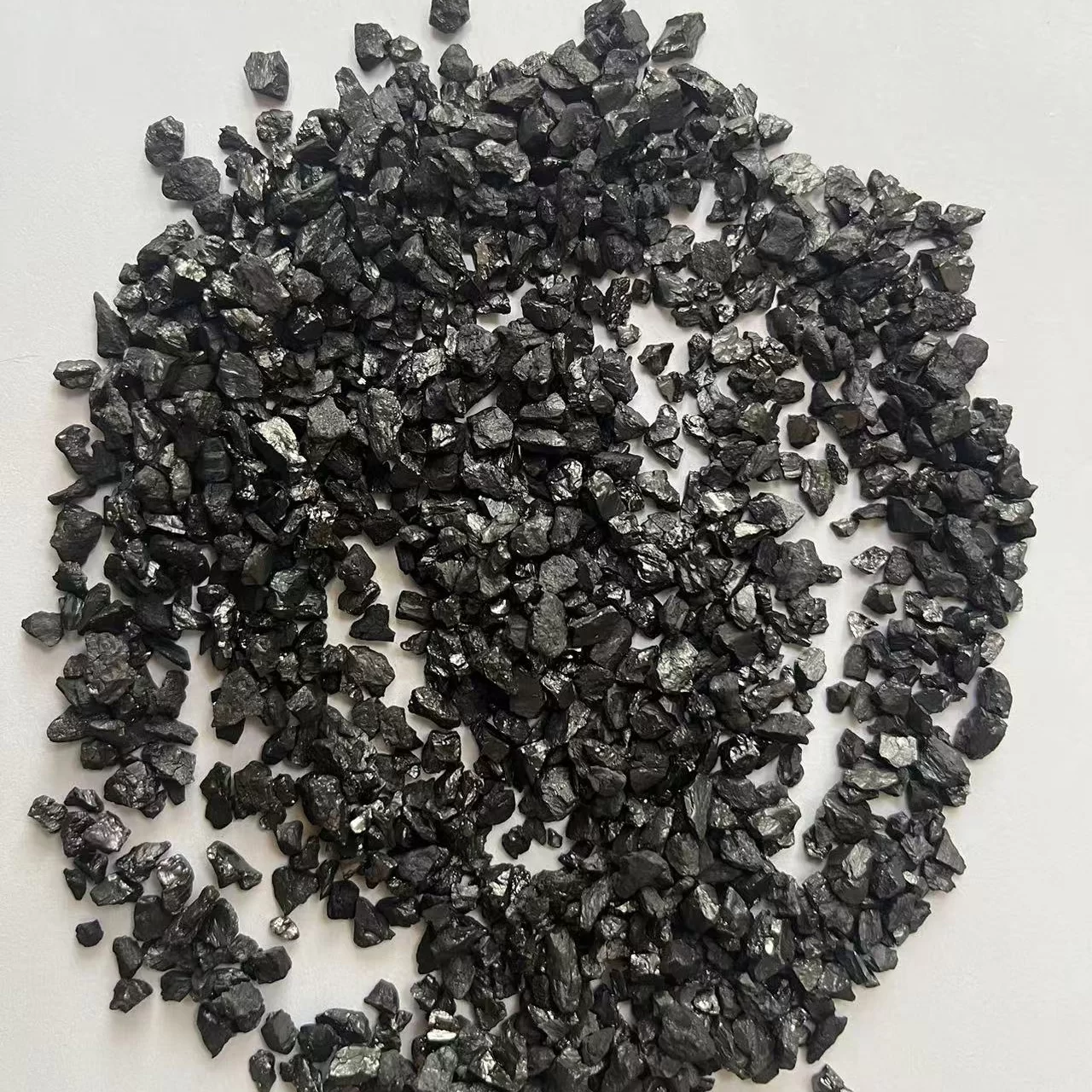
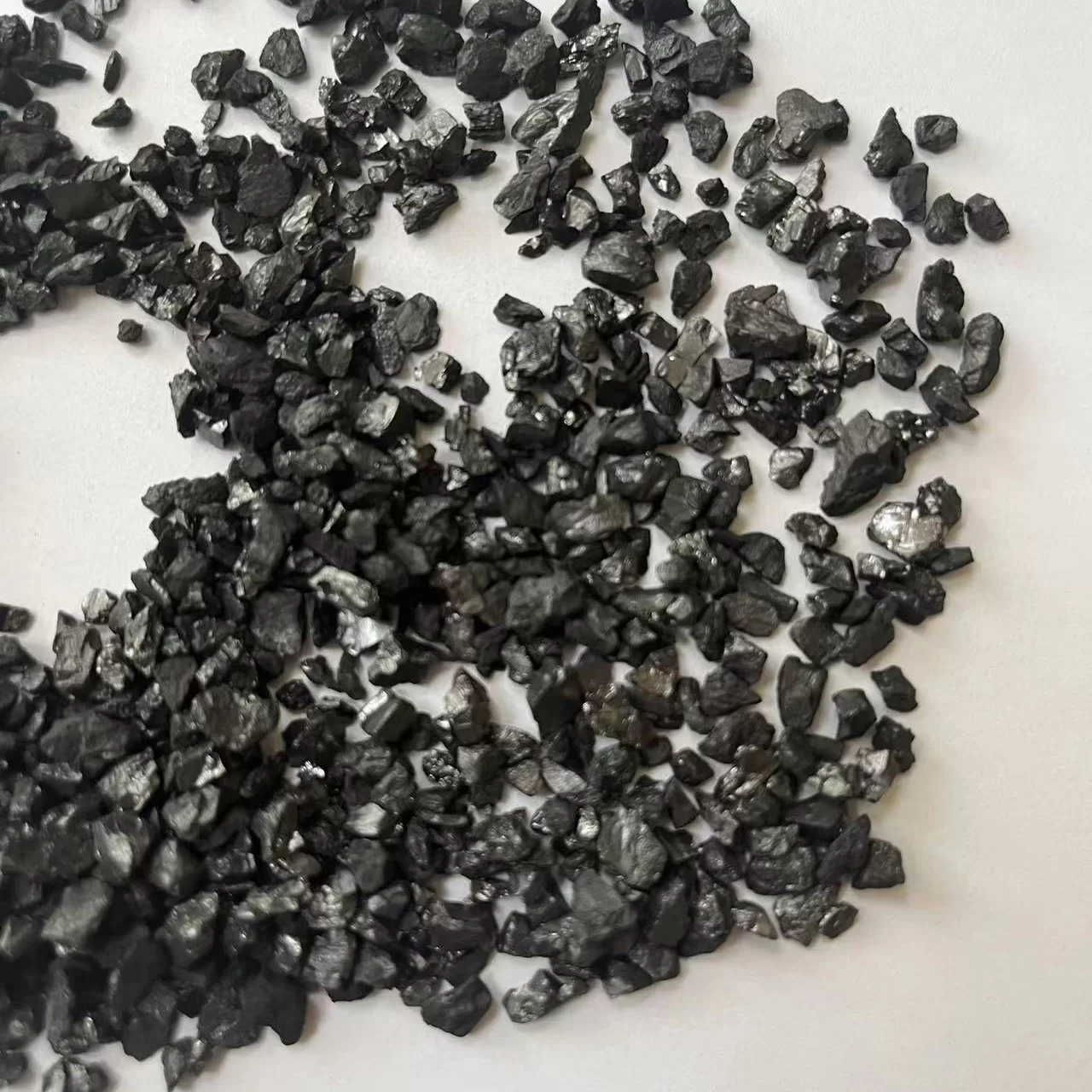
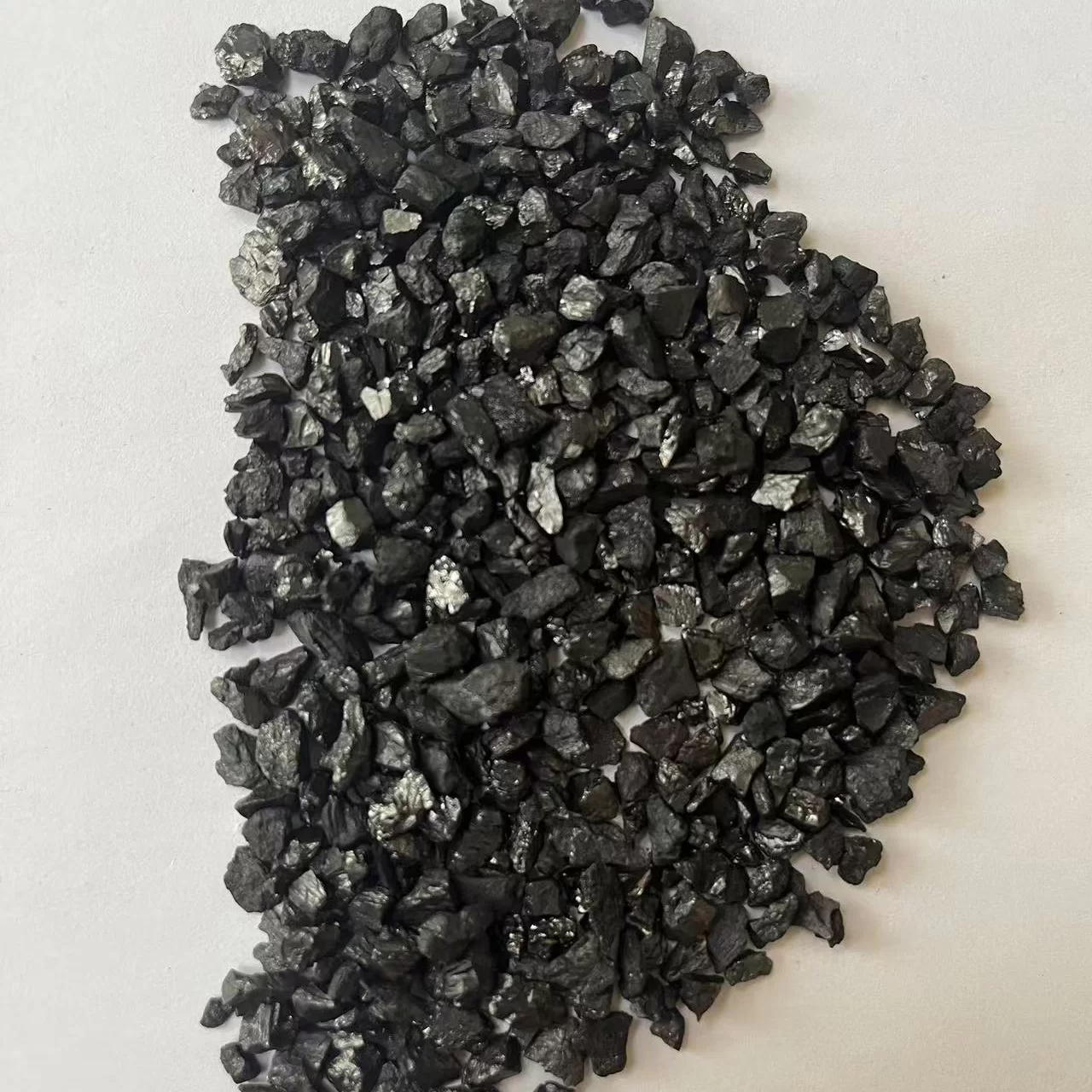
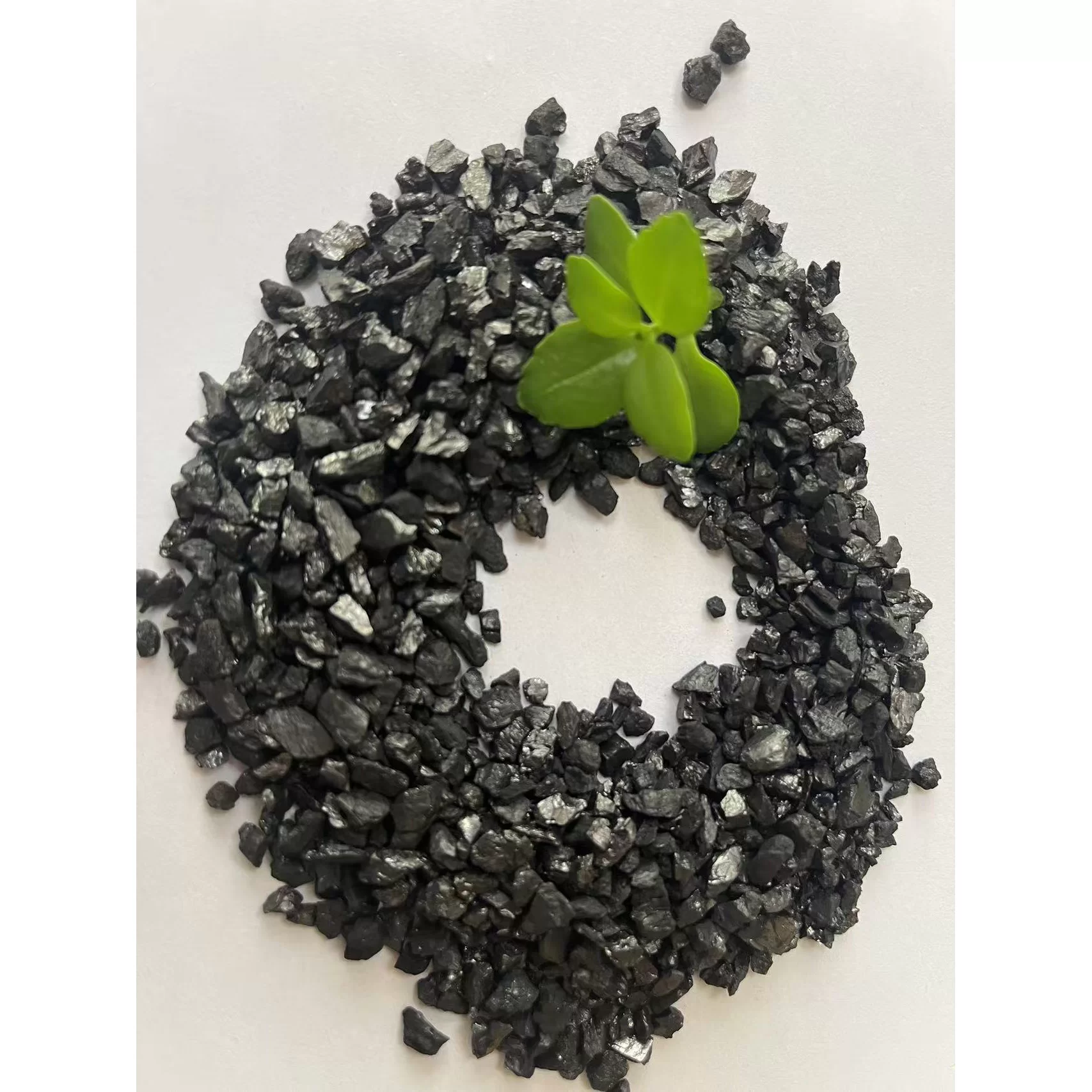
Calcined Anthracite Coal (CAC) is a high-purity carbon material produced by processing carefully selected high-grade anthracite as raw material. Through advanced high-temperature calcination at 800–1200°C or up to 1240°C in specialized vertical shaft furnaces and DC electric calciners, moisture and volatile matter are efficiently eliminated. This rigorous thermal refining process significantly improves product density, enhances electric conductivity, and strengthens mechanical strength and anti-oxidation performance.
Key Characteristics & Advantages
Low Ash & Low Impurities: Carefully refined to ensure minimal ash content, making it an ideal high-quality additive.
High Density & Purity: Excellent physical structure with high fixed carbon levels ranging from 80% up to 95%.
Low Resistivity & Superior Conductivity: Optimized electrical properties suitable for demanding industrial furnace and electrode applications.
Enhanced Thermal Stability: Strong anti-oxidation properties and superior mechanical strength under extreme temperatures.
Main Applications
Due to its exceptional chemical and physical properties, Calcined Anthracite Coal is widely utilized across multiple heavy industries:
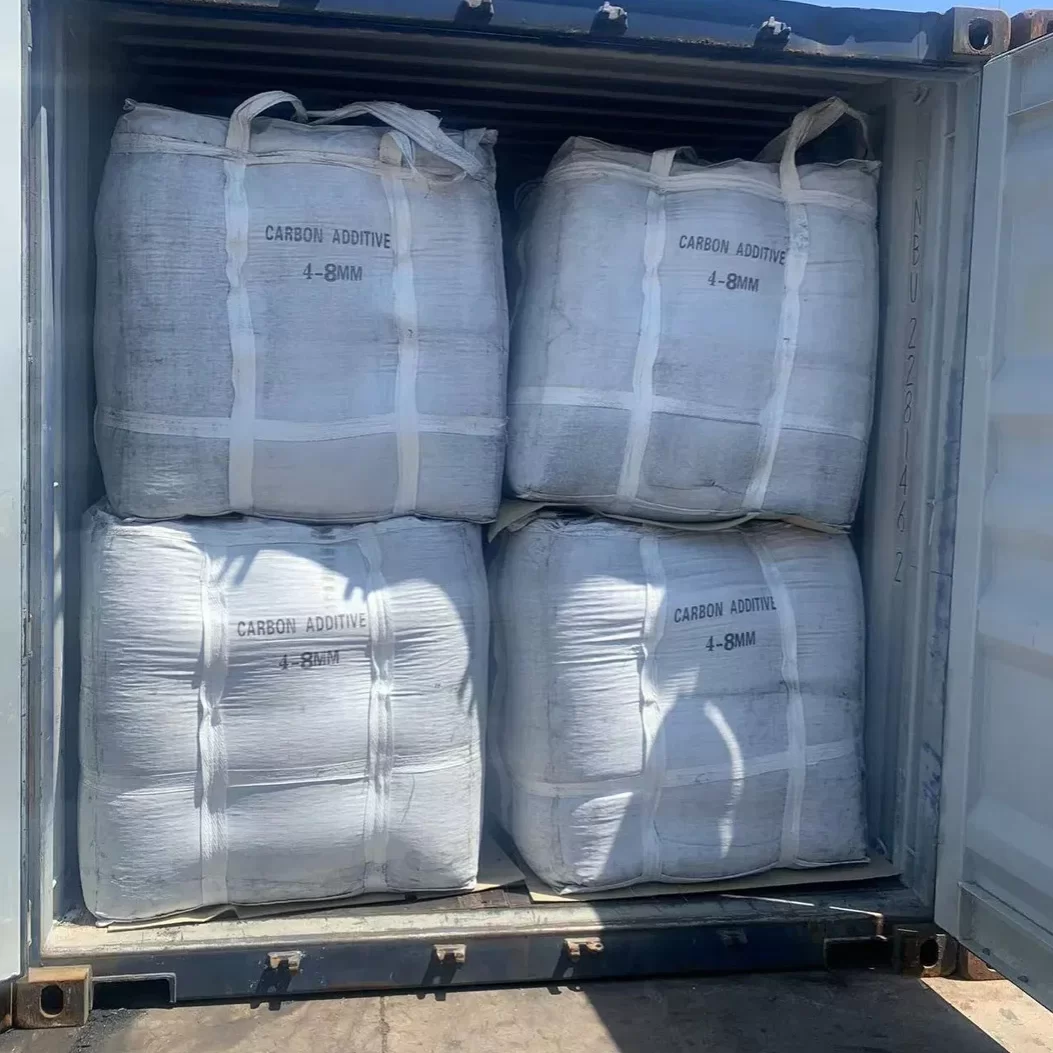
Steel Making & Metallurgy: Extensively used as a carbon additive (recarburizer) in electric steel ovens and converters to adjust carbon content accurately.
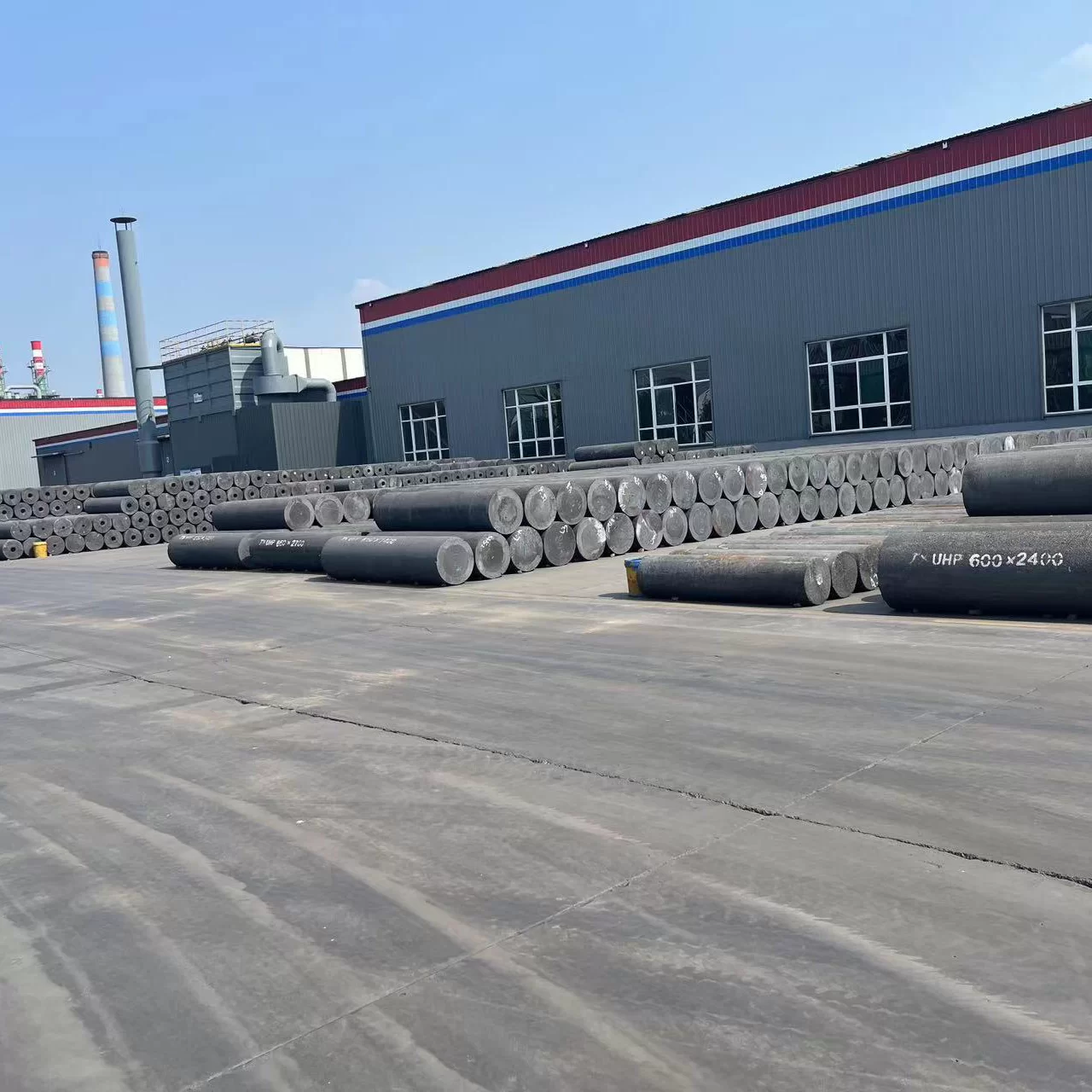
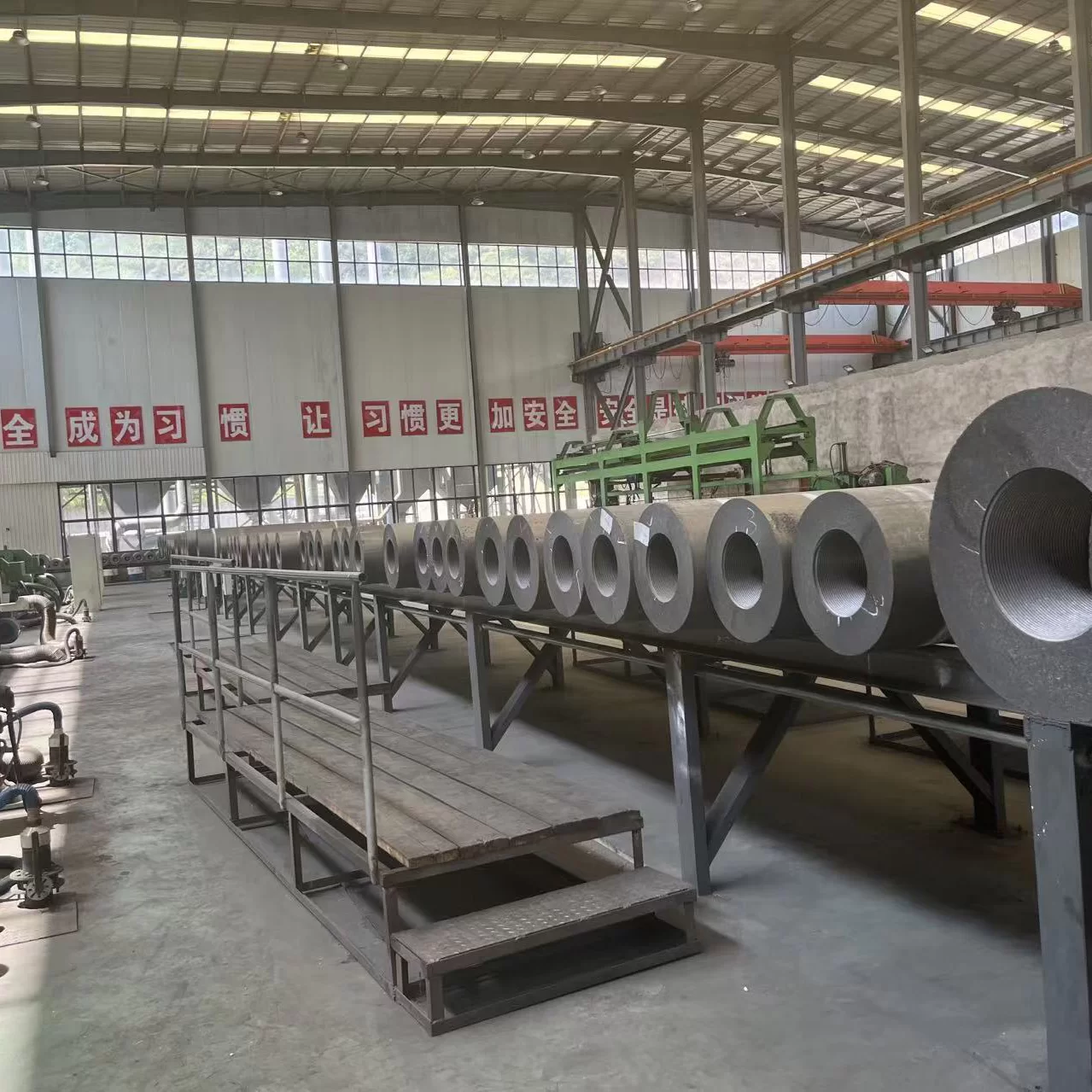
Carbon Material Production: Serves as an essential raw material for manufacturing carbon blocks, graphite electrodes, and various carbon composite shapes.
Water Filtration: Utilized as a high-efficiency filter media for water purification due to its stable chemical composition and granular structure.
Shipbuilding & Surface Treatment: Frequently applied in sandblasting and rust removal processes within the shipbuilding and heavy engineering sectors.
Industrial Fuel: Can also be burned as a clean, high-calorific fuel source in specialized heating operations.
Technical Specifications (Model Comparison)
We provide a comprehensive range of Calcined Anthracite Coal models tailored to meet diverse industrial requirements. Below are our standard specifications:
| Model No. | Fixed Carbon (min %) | Sulfur (max %) | Ash (max %) | Volatile Matter (max %) | Moisture (max %) | Size (mm) (90%) | N (max %) | P (max %) |
|---|---|---|---|---|---|---|---|---|
| HY-CAC-01 | 80 | 0.35 | 18 | 1.5 | 0.5 | 1-3 | 0.3 | 0.03 |
| HY-CAC-02 | 85 | 0.35 | 13 | 1.5 | 0.5 | 1-3 | 0.3 | 0.03 |
| HY-CAC-03 | 90 | 0.35 | 8.5 | 1.0 | 0.5 | 1-6 | 0.3 | 0.03 |
| HY-CAC-04 | 91 | 0.3 | 7.5 | 1.0 | 0.5 | 1-6 | 0.3 | 0.03 |
| HY-CAC-05 | 92 | 0.3 | 6.5 | 1.0 | 0.5 | 3-5 | 0.3 | 0.03 |
| HY-CAC-06 | 93 | 0.3 | 5.5 | 1.0 | 0.5 | 3-5 | 0.3 | 0.03 |
| HY-CAC-07 | 94 | 0.3 | 4.5 | 1.0 | 0.5 | 2-6 | 0.3 | 0.03 |
| HY-CAC-08 | 95 | 0.3 | 3.5 | 1.0 | 0.5 | 2-6 | 0.3 | 0.03 |
Why Choose Our Calcined Anthracite Coal?
As a leading producer in the carbon industry, we implement strict quality control measures from raw material selection to final high-temperature calcination. Our products guarantee consistent performance, stable chemical composition, and timely delivery, making us the trusted partner for global steel mills, carbon manufacturers, and water treatment solution providers. Contact us today to get customized specifications or a competitive quote for your project requirements.
Calcined Anthracite Manufacturing Process from Selected Anthracite Raw Material
Calcined anthracite is a high-purity carbon material produced by thermally processing carefully selected high-grade anthracite. For industrial users, the calcination process is important because it removes moisture and volatile matter while improving the physical and electrical characteristics of the original coal. The product is produced in vertical shaft furnaces at temperatures reaching 1240°C, while the supplied product information also identifies processing at 800–1200°C or up to 1240°C in specialized vertical shaft furnaces.
The quality of the original raw material has a direct influence on the resulting calcined anthracite. High-grade anthracite is therefore selected before entering the thermal treatment stage. During calcination, controlled heating drives off moisture and volatile components, producing a carbon material with higher fixed carbon concentration and improved density. This process also contributes to the low-resistivity characteristics required in applications involving electrical conductivity.
The vertical shaft furnace process provides the high-temperature environment required for thermal refining, while electric calcination represents another processing route identified in the supplied product information. The target temperature can reach 1240°C, depending on the processing requirements.
The resulting material is not simply untreated anthracite with reduced moisture. Thermal treatment changes several important physical and chemical characteristics. The supplied product information identifies improved density, electrical conductivity, mechanical strength, and anti-oxidation performance after calcination. These characteristics explain why calcined anthracite is used in electric steel ovens, carbon material production, water filtration, and shipbuilding surface treatment.
For procurement teams, understanding the manufacturing process is useful when evaluating consistency between different grades. Raw-material selection, calcination temperature, processing equipment, and final chemical inspection all contribute to the characteristics of the finished material. A suitable production process should therefore be considered together with the final calcined anthracite coal specifications rather than evaluating the product only by its name.
The thermal treatment also provides a basis for producing different fixed-carbon grades. The supplied models range from 80% to 95% fixed carbon, allowing users to select a grade according to the requirements of their particular industrial application.
Electrically Calcined Anthracite with High Fixed Carbon and Low Resistivity
Electrically calcined anthracite is produced through high-temperature thermal treatment designed to improve the carbon material's physical and electrical characteristics. For industrial applications, the key properties of the supplied product include high fixed carbon, high density, low resistivity, good electrical conductivity, low ash, low sulfur, and low phosphorus. These characteristics make the material suitable for applications where both carbon content and electrical performance need to be considered.
The fixed carbon content varies across the supplied models from 80% to 95%. This range gives industrial users several grades for evaluating different process requirements. For example, the higher fixed-carbon models contain lower ash levels according to the provided specification table. HY-CAC-01 has a minimum fixed carbon of 80% and maximum ash of 18%, while HY-CAC-08 reaches a minimum fixed carbon of 95% with maximum ash of 3.5%.
Another important characteristic of electrically calcined anthracite is low resistivity and superior conductivity. These properties are particularly relevant to applications associated with electric steel ovens and other industrial systems where the electrical behavior of the carbon material is important. The thermal treatment increases density and improves the electrical characteristics compared with the original anthracite feedstock.
Sulfur and phosphorus are also controlled within the supplied specifications. Depending on the model, sulfur is listed at a maximum of 0.30–0.35%, while phosphorus is limited to a maximum of 0.03%. Volatile matter is listed at a maximum of 1.0–1.5%, and moisture is limited to a maximum of 0.5%. These values provide a practical technical reference when selecting a suitable grade.
The product can also be described as electrically calcined anthracite coal when its electrical properties are relevant to the intended application. Rather than selecting solely according to fixed carbon, buyers can review fixed carbon, ash, sulfur, volatile matter, moisture, nitrogen, phosphorus, and particle size together.
The particle-size options listed in the product specifications include 1–3 mm, 1–6 mm, 3–5 mm, and 2–6 mm, with 90% of the material within the specified size range. This allows the receiving process to be matched with a suitable physical grade while maintaining the chemical characteristics required by the application.
Recarburizer Selection for Electric Steelmaking Applications
Recarburizer is an important application category for carbon materials used in steelmaking, particularly where the carbon content of molten steel needs to be adjusted. The supplied product information identifies Calcined Anthracite Coal as a carbon additive used in electric steel ovens and converters. Its high fixed carbon and low impurity characteristics provide the basis for this application.
As a recarburizer, the material needs to provide a concentrated carbon source while maintaining appropriate levels of ash, sulfur, phosphorus, and volatile matter. The supplied Calcined Anthracite Coal models offer fixed carbon from 80% to 95%, while maximum volatile matter is listed at 1.0–1.5%. This relatively low volatile matter content reflects the effect of high-temperature calcination and provides a useful characteristic for steelmaking applications.
The choice of recarburizer grade should also take particle size into account. The available specifications include 1–3 mm, 1–6 mm, 3–5 mm, and 2–6 mm, depending on the model. Particle size can be selected according to the feeding method and process requirements of the receiving steelmaking operation. Using the appropriate physical grade helps procurement teams maintain consistency when introducing carbon material into an established production process.
The product's sulfur specification is another consideration. Maximum sulfur ranges from 0.30–0.35% across the listed models, while phosphorus is limited to 0.03%. Ash decreases as the fixed carbon grade increases, ranging from a maximum of 18% for HY-CAC-01 to 3.5% for HY-CAC-08. These figures allow users to compare the available grades according to their required chemical profile.
A coal recarburizer can be evaluated through the same basic technical parameters, but the exact suitability depends on the steelmaking process and the required carbon addition. For this reason, procurement should focus on the complete product specification instead of selecting a grade solely by its fixed carbon percentage.
In addition to steelmaking, the product is used for carbon material production, water filtration, and shipbuilding rust removal. Its role as a recarburizer is therefore one of several industrial applications supported by the material's high fixed carbon and controlled chemical composition.
Graphite Recarburizer Alternatives and Industrial Application Scenarios
The application of carbon materials in heavy industry varies according to the required carbon characteristics, physical form, and process environment. The supplied Calcined Anthracite Coal is used in steelmaking, carbon material production, water filtration, and shipbuilding surface treatment. These applications demonstrate that the material can serve different industrial functions beyond its role as a carbon additive.
In steelmaking, the product can be used as a carbon additive for electric steel ovens and converters. A graphite recarburizer may be considered separately when a process requires a particular type of carbon material, but the Calcined Anthracite Coal described here has its own defined characteristics and should be evaluated according to the supplied specifications. Its fixed carbon range of 80–95%, low volatile matter, controlled sulfur, and controlled phosphorus provide the basis for its steelmaking application.
Water filtration is a different application scenario. The product is used as filter media for water purification, where its stable chemical composition and granular structure are relevant to the application. The suitable grade should be selected according to the required particle-size range and the conditions of the filtration system rather than according to steelmaking requirements.
The material is also used in shipbuilding and heavy engineering for sandblasting and rust removal. This application demonstrates the importance of physical particle characteristics in addition to chemical composition. The supplied size options range from 1–3 mm to 3–5 mm and other specified ranges, depending on the model.
For industrial buyers, the appropriate application should determine the specification being evaluated. A grade intended for use as a recarburizer should be assessed primarily according to the carbon and impurity requirements of the steelmaking process, while filtration and surface-treatment applications may place greater emphasis on physical form and handling characteristics.
The product can also be positioned within broader carbon-material sourcing. For users comparing different materials, products such as Graphitized Petroleum Coke have their own application characteristics and should be evaluated separately rather than assumed to be direct equivalents.
Calcined Anthracite Coal Specifications for Grade and Particle-Size Selection
The available calcined anthracite coal specifications provide several grades for industrial users to evaluate according to fixed carbon, impurity levels, and particle size. The supplied specification table includes eight models, with fixed carbon increasing from 80% in HY-CAC-01 to 95% in HY-CAC-08. At the same time, maximum ash decreases from 18% to 3.5%, providing a clear distinction between the available grades.
When reviewing calcined anthracite coal specifications, fixed carbon should be considered together with ash and impurity limits. The higher fixed-carbon grades in the supplied range also show lower maximum ash content. Sulfur is controlled at 0.30–0.35%, phosphorus is limited to 0.03%, and maximum moisture is 0.5% across the listed models.
Particle size is another important selection factor. The specifications cover several size ranges, including 1–3 mm, 1–6 mm, 3–5 mm, and 2–6 mm, with 90% of the product within the stated size range. The appropriate option depends on the feeding, processing, filtration, or surface-treatment requirements of the receiving facility.
For steelmaking applications, a buyer may focus on fixed carbon and impurity control when evaluating the product as a carbon additive. For water filtration or shipbuilding applications, particle size and physical form may receive greater attention. This makes the complete calcined anthracite coal specifications more useful than relying on a single parameter.
The resulting material combines high fixed carbon with improved density and electrical conductivity, providing a defined technical basis for industrial material selection.

next :
Calcined Petroleum Coke
black :
Natural Graphite Powder


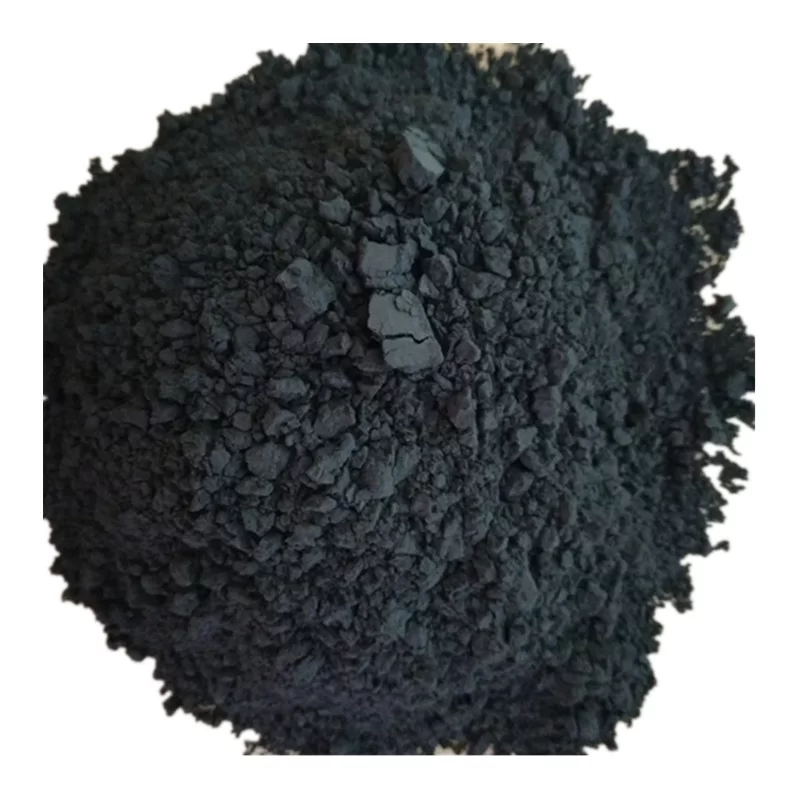


Calcined Anthracite Coal — Pure Carbon, Powerful Performance.
High-quality Calcined Anthracite Coal offers superior carbon content, low impurities, and excellent thermal efficiency for industrial applications.
contact us
What Is Calcined Anthracite Coal Used For
Calcined anthracite coal is primarily used as a carbon additive or recarburizer in the steelmaking and foundry industries due to its high fixed carbon content and low impurities. It is also used in the production of carbon electrodes, cathodes for aluminum smelting, and other carbon-based materials. Additionally, calcined anthracite serves as a filtration media in water treatment and as a heat-resistant material in various metallurgical and chemical processes.


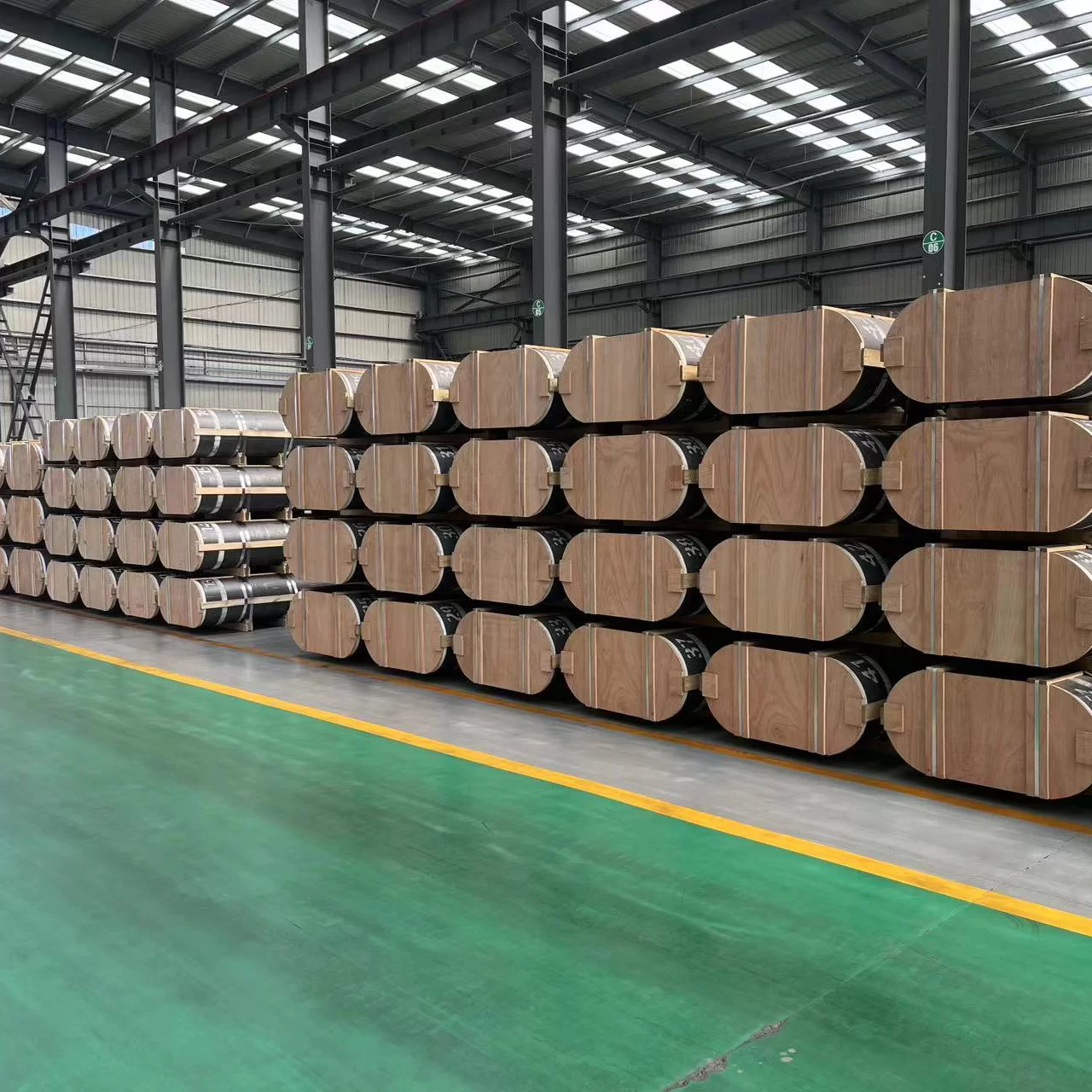
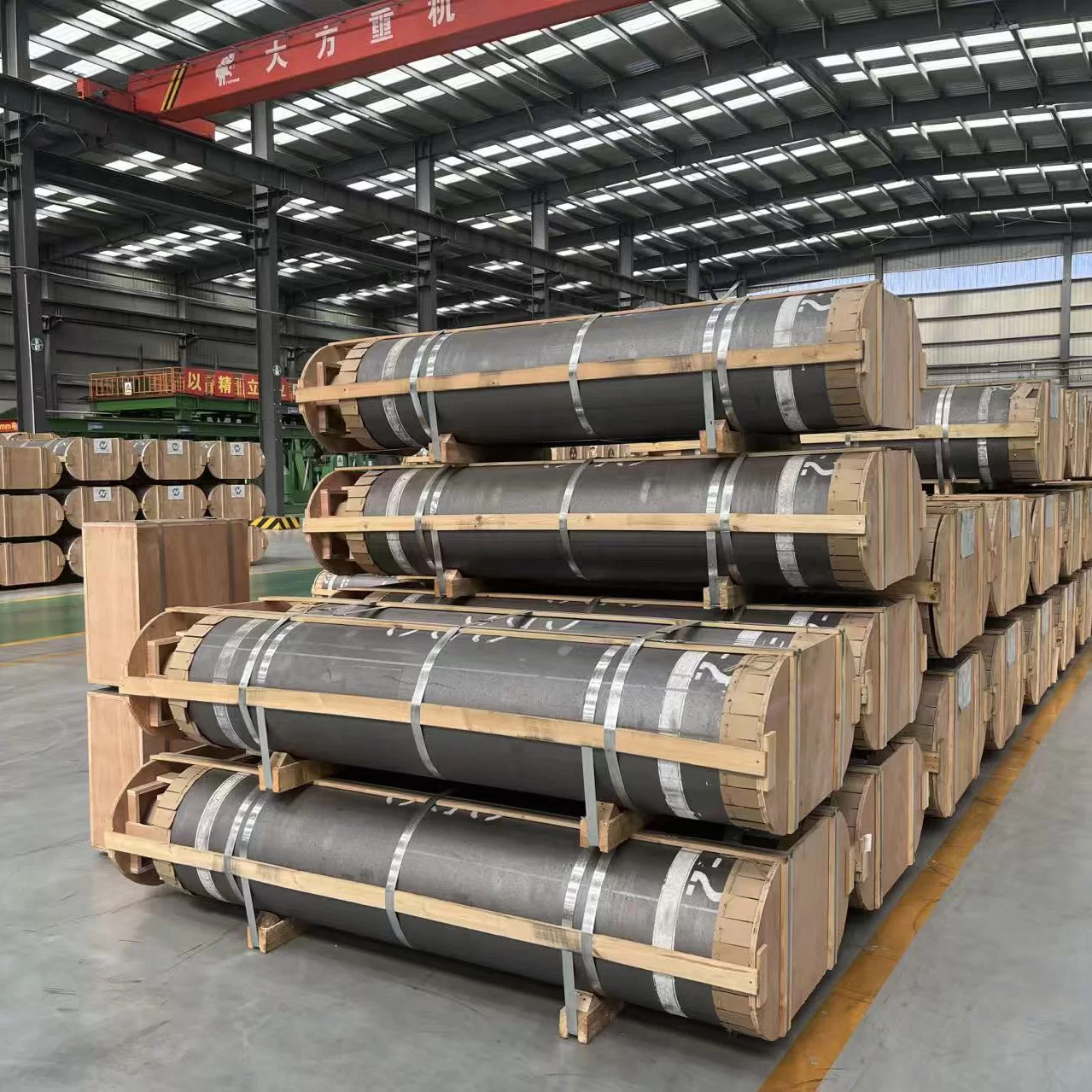
Conductive Core
Carrying high temperature and efficient power
Your Email Address...
submit