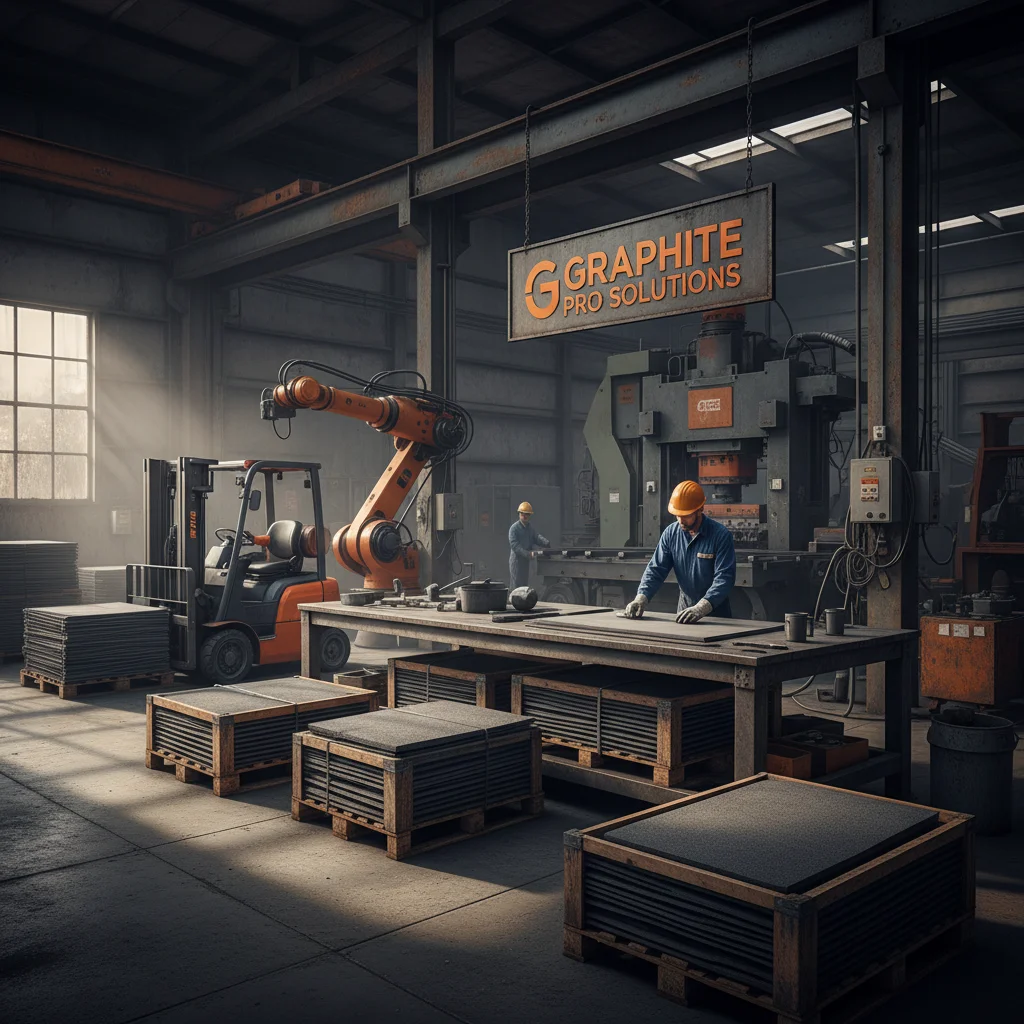
In the high-stakes environment of industrial smelting, the quality of conductive materials can determine the difference between operational profit and costly downtime. Selecting the right carbon anode block suppliers is critical for ensuring that electric arc furnaces and ladle furnaces operate at peak efficiency. High-performance graphite components are the backbone of these processes, facilitating the intense electrical transfer required to melt raw materials into refined metals.
The global demand for precision-engineered carbon products is rising as steelmaking and non-ferrous metal production shift toward more energy-efficient and lower-emission technologies. To meet these standards, manufacturers are focusing on increasing the needle coke content and refining the graphitization process. This evolution ensures that electrodes can withstand extreme thermal shocks while maintaining structural integrity under immense physical pressure.
By partnering with experienced carbon anode block suppliers, industrial operators can significantly reduce their graphite consumption rates and minimize impurity contamination in the melt. Understanding the technical nuances of low-ash raw materials and CNC precision machining is essential for any procurement manager looking to optimize their smelting cycle and enhance the overall quality of the finished metal.

Global Industry Context of Carbon Anode Block Suppliers
The global landscape for smelting is currently undergoing a transition toward higher efficiency and stricter environmental controls. Reliable carbon anode block suppliers play a pivotal role in this shift by providing electrodes that can handle higher power densities without premature failure. As industrial standards move toward ISO-certified quality management, the precision of raw material selection—specifically petroleum and needle coke—has become the primary benchmark for performance.
In regions with heavy industrial concentrations, the challenge is often the balance between high production volume and the reduction of graphite loss. Companies that can maintain an annual capacity of 80,000 tons while ensuring ultra-low resistivity are the ones driving the industry forward. This scalability allows for a stable supply chain, ensuring that large-scale EAF and LF operations do not suffer from lead-time delays that could cost millions in lost production.
Defining Quality Standards for Carbon Anode Block Suppliers
When evaluating carbon anode block suppliers, the definition of quality extends beyond the physical dimensions of the product. It encompasses the entire chemical and structural composition, starting from the calcining and kneading stages through to final graphitization. A high-quality electrode must possess a compact and uniform density to prevent internal fractures when subjected to the intense thermal shocks of an electric arc furnace.
Modern industry requirements dictate that ash and sulfur content must be strictly controlled, typically kept within a 3% threshold. This purity is essential because secondary impurities can migrate into the melt, compromising the chemical integrity of the steel or non-ferrous metal being produced. Therefore, the ability of a supplier to guarantee raw material purity is a non-negotiable standard for high-end industrial applications.
Furthermore, the integration of CNC precision machining has redefined the "fit" of these components. Precision machining ensures that electrodes install seamlessly, reducing stability issues during operation. For the most demanding environments, a needle coke content of up to 80% is preferred, as it directly correlates to improved mechanical strength and electrical conductivity.
Core Components of High-Performance Electrodes
The performance of electrodes provided by top carbon anode block suppliers relies on a combination of advanced material science and rigorous processing. The use of high-grade needle coke is the most significant factor, as it provides the structural framework necessary to resist oxidation and physical wear. This material, combined with coal pitch binders, creates a high-density conductor capable of efficient energy transfer.
From a technical perspective, the graphitization process is where the material's electrical properties are finalized. By heating the carbon blocks to extreme temperatures, the internal structure is reorganized into a crystalline graphite form, which dramatically lowers electrical resistivity. Leading carbon anode block suppliers utilize this process to ensure that energy loss is minimized and melting speeds are maximized.
Beyond the chemistry, the physical architecture of the electrode—specifically its structural density—determines its lifespan. A uniform, compact structure prevents the "spalling" effect where chunks of graphite break off during the smelting process. This mechanical resilience, coupled with superior oxidation resistance, ensures that the electrode lasts longer, thereby reducing the overall cost per ton of produced metal.
Practical Applications in Modern Smelting
The versatility of products from carbon anode block suppliers allows them to be deployed across a variety of high-heat industrial environments. In Electric Arc Furnaces (EAF) and Ladle Furnaces (LF), these electrodes are the primary conduit for the energy required to liquefy scrap steel. The high needle coke content ensures that the electrodes do not degrade rapidly under the intense heat and electromagnetic forces present in these vessels.
Beyond steel, these high-density graphite components are indispensable in the production of industrial silicon and yellow phosphorus. In these specific chemical smelting processes, purity is paramount. The low-ash composition provided by premium suppliers prevents the introduction of unwanted elements into the silicon or phosphorus melt, which is critical for the semiconductor and chemical industries.
Performance Efficiency of Different Material Grades from Carbon Anode Block Suppliers
Long-Term Value and Operational Advantages
The primary value proposition offered by elite carbon anode block suppliers is the dramatic reduction in the "consumption rate" of electrodes. By utilizing high-density materials with superior oxidation resistance, plants can extend the service lifespan of each electrode. This not only lowers the direct cost of materials but also reduces the frequency of furnace shutdowns for electrode replacement, thereby increasing the total annual tonnage of metal produced.
Furthermore, the economic impact of ultra-high conductivity cannot be overlooked. Lower electrical resistance means that more energy is transferred directly into the charge material rather than being wasted as heat within the electrode itself. This efficiency leads to faster melting speeds and lower electricity bills, creating a sustainable investment return that far outweighs the initial cost of premium graphite components.
Future Trends in Carbon Material Innovation
As the industry moves toward "Green Steel" and carbon neutrality, carbon anode block suppliers are innovating to create materials that are not only more durable but also more sustainable. Research is currently focusing on reducing the energy consumption of the graphitization process itself and exploring synthetic needle coke alternatives that maintain the same high-performance characteristics.
Digital transformation is also entering the graphite production line. The implementation of real-time performance tracking allows suppliers to analyze graphite consumption rates for their clients. By using data-driven insights, suppliers can suggest custom sizing and material adjustments tailored to the specific power requirements and furnace geometry of a particular plant, moving from a "one-size-fits-all" model to precision-engineered solutions.
Automation in CNC machining is further enhancing the precision of large-diameter electrodes. As furnaces grow in size to accommodate larger batches, the demand for customized, large-scale components increases. The ability to maintain tight tolerances across massive diameters ensures that stability and safety are maintained, even as industrial scales expand.
Overcoming Common Challenges in Smelting Efficiency
One of the most persistent challenges in industrial smelting is the rapid oxidation of graphite in extreme heat, which leads to premature electrode thinning. Experienced carbon anode block suppliers address this by optimizing the raw material blend, ensuring a high needle coke content that creates a more resistant crystalline structure. This structural integrity slows down the oxidation process, significantly extending the usable life of the component.
Another common pain point is the risk of contamination. In the production of high-purity alloys, even a small amount of ash or sulfur from the electrode can ruin an entire batch of metal. The solution lies in strict quality control at the raw material stage. By ensuring that ash content is controlled within 3%, suppliers provide a safeguard that maintains the purity of the melt, ensuring the finished product meets international metallurgical standards.
Finally, the logistical challenge of maintaining a steady supply of electrodes for 24/7 operations is solved through capacity scaling. With an annual output of 80,000 tons, a supplier can guarantee stable lead times. This reliability prevents operational bottlenecks and allows plant managers to optimize their inventory levels without risking a total production halt due to material shortages.
Comparison of Electrode Performance Metrics by Supplier Grade
| Material Grade |
Graphite Loss Rate |
Electrical Efficiency |
Impurity Risk |
| Standard Grade |
High |
Moderate |
Moderate |
| Low-Ash Grade |
Medium |
High |
Low |
| High Needle Coke |
Low |
Very High |
Low |
| HP Graphite (Premium) |
Ultra-Low |
Ultra-High |
Minimal |
| CNC Precision Grade |
Low |
High |
Minimal |
| Industrial Custom |
Optimized |
Customized |
Low |
FAQS
Premium electrodes are primarily manufactured from high-grade petroleum coke and needle coke, with coal pitch used as the binding agent. The high needle coke content (often up to 80%) is essential for providing the mechanical strength and electrical conductivity required for extreme smelting environments.
Low ash and sulfur content (typically under 3%) are critical because they prevent secondary impurities from contaminating the melt. In high-purity steel or silicon production, any impurities introduced by the electrode can degrade the physical properties and quality of the finished metal.
CNC machining ensures that electrodes are produced to exact dimensional specifications. This allows for a seamless fit within the furnace, ensuring stability and reducing the risk of misalignment, which could lead to uneven electrical distribution and premature wear.
They are primarily used in Electric Arc Furnaces (EAF) and Ladle Furnaces (LF) for steelmaking, as well as in specialized furnaces for the production of industrial silicon, yellow phosphorus, and various non-ferrous metal smelting operations.
Yes, leading suppliers utilize professional CNC machining capabilities to provide a wide range of sizes, including large-diameter electrodes tailored to the specific industrial requirements and power ratings of the client's furnace.
A higher needle coke content increases the density and mechanical strength of the electrode, which significantly lowers the graphite loss rate during smelting. Lower consumption means fewer electrode replacements and less material waste, reducing the overall cost per ton of metal produced.
Conclusion
Selecting the right carbon anode block suppliers is a strategic decision that impacts every stage of the smelting process, from energy consumption to the purity of the final product. By prioritizing high needle coke content, low ash levels, and CNC precision, industrial operators can maximize their operational efficiency and significantly lower their long-term production costs.
As the industry evolves toward more sustainable and data-driven manufacturing, the role of high-performance graphite will only become more critical. Investing in premium, high-density electrodes is not just a matter of material procurement, but a commitment to technical excellence and operational reliability. Visit our website to optimize your smelting efficiency: www.hbdahcarbon.com