Natural flake graphite is a cornerstone of modern industrial materials, valued globally for its unique atomic structure and exceptional physical properties. As a nonmetallic mineral, it provides essential functionality in a vast array of sectors, from metallurgy to advanced electronics, where its stability and conductivity are irreplaceable.
The global demand for high-purity carbon materials continues to rise as industries seek more efficient ways to handle extreme temperatures and friction. The ability of these materials to maintain structural integrity under thermal shock makes them a critical component in the production of high-performance industrial electrodes and lubricants.
Understanding the specific applications of dry graphite allows manufacturers to optimize their production lines and reduce operational wear. By leveraging its natural self-lubricity and chemical resistance, businesses can achieve higher precision and longer equipment lifespans across diverse global markets.

The Physical Properties of Natural Flake Graphite
Natural flake graphite is distinguished by its perfect crystallization and exceptional flexibility. These characteristics allow the material to exhibit superior electrical and thermal conductivity, making it an ideal candidate for environments where energy transfer and heat dissipation are critical.
Beyond conductivity, the material is renowned for its chemical inertness and resistance to corrosion. Its ability to withstand high temperatures and hot shock ensures that components made from this mineral remain stable and reliable even under the most grueling industrial conditions.
Industrial Relevance and Global Market Context
In the current global industrial landscape, the reliance on high-grade carbon minerals is evident in the growth of the steel and aluminum industries. According to international trade standards and industrial benchmarks, the purity and consistency of carbon sources directly impact the quality of the final metallic product, particularly in the use of recarburizers.
A significant challenge facing modern manufacturers is the need for materials that provide consistent performance without increasing operational costs. The variability in raw mineral quality often leads to inefficiencies in the smelting process, creating a demand for standardized, high-performance graphite products.
To address these challenges, suppliers have expanded their reach to markets in the US, UK, South Korea, Vietnam, Turkey, and Russia. By adhering to principles of quality and trustworthiness, the industry ensures that critical infrastructure projects in the Middle East and beyond have access to reliable nonmetallic minerals.
Defining Dry Graphite in Modern Manufacturing
When discussing dry graphite, we are referring to the pure, powdered, or flaked form of the mineral used without liquid carriers. This form is essential for applications requiring high carbon purity and minimal contamination, ensuring that the material's inherent properties are fully utilized.
The connection between dry graphite and modern humanitarian or industrial needs often manifests in the creation of sustainable lubricants and conductive coatings. These applications reduce the need for petroleum-based products, aligning industrial growth with environmental preservation.
By focusing on the integrality and constant performance of the crystal structure, the use of dry graphite enables engineers to design components that are both lightweight and incredibly durable, bridging the gap between raw mineral extraction and high-tech application.
Core Performance Factors of Carbon Materials
The effectiveness of carbon materials is measured by several key factors, most notably their thermal stability and self-lubricating capabilities. These properties allow the material to act as a protective barrier in high-friction environments, significantly reducing the wear and tear on mechanical parts.
Scalability and cost-efficiency also play a vital role. Because natural flake graphite can be processed into various forms—such as powder or blocks—it offers the flexibility needed to scale from small-scale precision electronics to massive industrial smelting operations.
Performance Analysis of Dry Graphite Variants
Global Applications and Real-World Use Cases
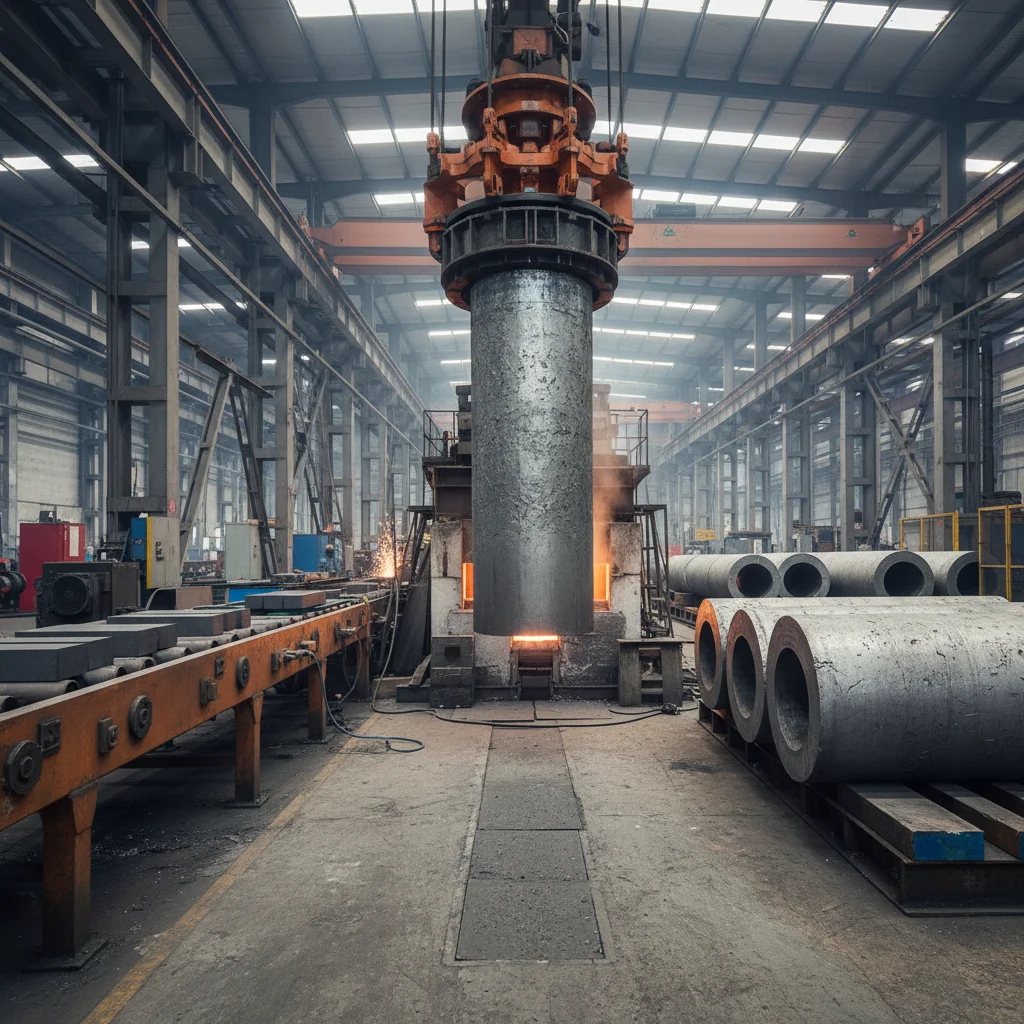
In real-world industrial zones, these carbon materials are indispensable. For instance, in the production of graphite electrodes, the material's ability to conduct electricity while resisting extreme heat is utilized to smelt steel in electric arc furnaces, a process vital for urban infrastructure globally.
Furthermore, in remote industrial zones where maintenance is difficult, the self-lubricating nature of graphite is used to create "maintenance-free" bearings. This ensures that machinery continues to operate smoothly without the need for constant oiling, reducing both downtime and environmental contamination.
Long-Term Value and Sustainability Benefits
The long-term value of utilizing natural carbon minerals lies in their reliability and sustainability. Unlike synthetic alternatives that may require energy-intensive chemical synthesis, natural flake graphite offers a more direct path from mineral to application, reducing the overall carbon footprint of the production cycle.
From a logical perspective, the cost-efficiency is found in the extended lifespan of the equipment. When components are resistant to corrosion and hot shock, the frequency of replacement decreases, which leads to significant capital savings for the operator over several years.
Beyond the financial gains, there is an element of trust and safety. In high-pressure environments, the predictable performance of high-quality graphite prevents catastrophic failures, ensuring the safety of workers and the integrity of the industrial facility.
Future Trends in Graphite Innovation
The future of the industry is leaning heavily toward green energy and the digital transformation of material science. As the world shifts toward electric vehicles (EVs), the demand for high-purity graphite in battery anodes is skyrocketing, pushing the industry to innovate in purification techniques.
Automation is also playing a role, with AI-driven sorting and processing ensuring that the crystal integrity of the flakes is preserved. This precision allows for the creation of tailored carbon products that meet the exact specifications of aerospace and semiconductor manufacturers.
Sustainability policies are encouraging the development of circular economies, where carbon products are recycled and repurposed. This shift ensures that the mineral's value is maximized while minimizing the impact on the earth's crust.
Analysis of Future Graphite Material Trends
| Innovation Area |
Primary Goal |
Expected Impact |
Adoption Rate (1-10) |
| Battery Anodes |
Energy Density |
EV Range Increase |
10 |
| Nano-Coatings |
Friction Reduction |
Wear Resistance |
8 |
| Purification Tech |
Chemical Purity |
Semi-conductor Grade |
9 |
| Recycling Loops |
Waste Reduction |
Eco-Compliance |
7 |
| Composite Blocks |
Structural Strength |
Industrial Durability |
8 |
| AI Processing |
Quality Control |
Zero-Defect Batching |
6 |
FAQS
Natural flake graphite possesses a unique crystalline structure that provides superior self-lubricity and thermal conductivity. While synthetic carbon is useful for specific tailored needs, natural flakes are often more cost-effective and offer better natural flexibility and resistance to high-temperature hot shock, making them ideal for a broader range of industrial applications.
In the steel industry, it is primarily used as a recarburizer to increase the carbon content of the melt. Because it is used in a dry form, it ensures a high concentration of pure carbon is introduced without adding unwanted impurities or moisture, which helps in achieving the precise metallurgical specifications required for high-grade steel.
Yes, in many high-temperature or vacuum environments where liquid oils would evaporate or break down. Dry graphite provides a sliding layer that reduces friction efficiently without the need for constant re-application, making it a preferred choice for industrial bearings and high-heat machinery.
Absolutely. One of the core strengths of natural flake graphite is its excellent chemical stability. It is highly resistant to most acids and alkalis, which allows it to be used in the construction of chemical reactors and lining materials for corrosive environments where metals would typically fail.
Quality assurance depends on verifying the crystallization and purity levels. Reputable suppliers adhere to "Quality First" principles and provide detailed specifications. Checking for certifications and looking for suppliers with a proven track record in markets like the US, UK, and South Korea is a reliable way to ensure material consistency.
Dry graphite should be stored in a cool, dry area away from strong oxidizing agents. To maintain its purity and prevent contamination, it is recommended to keep the material in sealed, moisture-proof containers. This ensures that the conductive and lubricating properties remain intact until the moment of application.
Conclusion
Natural flake graphite serves as an essential building block for global industry, offering a rare combination of thermal conductivity, chemical resistance, and self-lubrication. From its role as a high-efficiency recarburizer in metallurgy to its critical application in green energy batteries, the versatility of this mineral ensures its continued relevance in a rapidly evolving technological landscape.
As we move toward a more sustainable and automated industrial future, the focus will shift toward higher purity and more precise processing of these carbon materials. For businesses seeking to optimize their operational efficiency and reduce mechanical wear, investing in high-quality graphite solutions is not just a technical choice, but a strategic advantage. Visit our website: www.dahcarbon.com