In the demanding landscape of modern industrial machinery, the quest for materials that combine structural strength with effortless motion has led to the widespread adoption of graphite impregnated bronze. This sophisticated composite material integrates the load-bearing capacity of bronze with the exceptional self-lubricating properties of high-purity graphite, effectively eliminating the need for external grease in many critical applications. By embedding graphite particles into the porous structure of the bronze matrix, engineers have created a solution that thrives in environments where traditional lubrication fails.
The global significance of this material is evident in its role within heavy-duty manufacturing, aerospace, and energy sectors. As industrial operations push toward higher speeds and more extreme temperatures, the reliance on graphite impregnated bronze has increased to prevent premature component wear and catastrophic mechanical failure. This material addresses the core challenge of frictional heat and surface degradation, ensuring that machinery operates with maximum efficiency and minimal downtime.
Understanding the nuances of this composite is essential for procurement managers and mechanical engineers aiming to optimize their operational lifecycles. From its unique chemical stability to its ability to withstand thermal shock, the integration of premium natural graphite powder into bronze alloys provides a strategic advantage. By leveraging the perfect crystallization of high-grade graphite, these components offer a reliable, constant performance that is indispensable for the global supply chain.

The Fundamental Composition of Graphite Impregnated Bronze
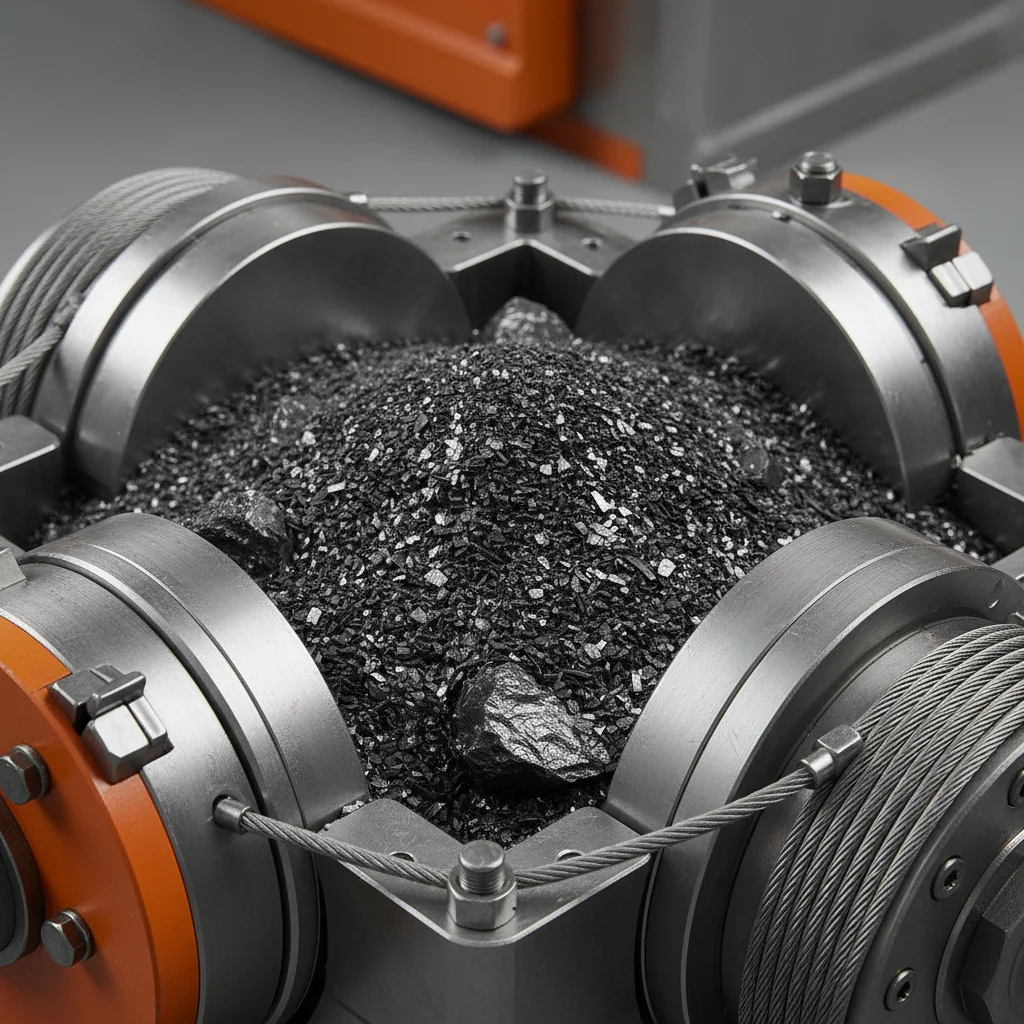
At its core, this material is a sintered composite where a bronze alloy framework acts as the primary support structure, and high-purity graphite powder fills the interstitial voids. This synergy allows the component to maintain the hardness and compressive strength of bronze while utilizing the "slip" of graphite. When the surface of the part interacts with a mating component, a thin film of graphite is released, creating a permanent, low-friction interface.
The effectiveness of this process depends heavily on the crystallization of the graphite used. Using premium natural flake graphite ensures that the lubricating film is uniform and stable, even under extreme pressure. This microscopic architecture is what enables the material to function effectively in "dry" conditions, removing the risk of lubricant contamination in sensitive environments like food processing or semiconductor manufacturing.
Global Industrial Demand and Economic Impact
The global demand for high-performance bearings and bushings has seen a steady incline, with a significant shift toward maintenance-free solutions. Industrial data suggests that unplanned downtime due to lubrication failure costs global manufacturers billions of dollars annually. By implementing graphite impregnated bronze, companies can significantly reduce the frequency of maintenance intervals and eliminate the cost of expensive synthetic lubricants.
In regions like the US, UK, and the Middle East, where heavy industry and energy extraction are prevalent, the adoption of self-lubricating materials is no longer a luxury but a operational necessity. The harsh conditions of oil rigs and desert refineries require materials that can withstand chemical corrosion and extreme thermal shifts without losing their lubricating properties, making this specific composite the gold standard.
Economically, the transition to these materials reflects a move toward "Total Cost of Ownership" (TCO) optimization. While the initial investment in a graphite-bronze component may be higher than a standard bronze bushing, the extended operational life and the total removal of lubrication labor provide a substantial return on investment over the product's lifecycle.
Core Performance Factors of Self-Lubricating Composites
One of the most critical factors influencing the success of graphite impregnated bronze is its exceptional thermal stability. Because it utilizes natural graphite—a material known for its ability to withstand extreme temperatures—the composite does not soften or seize when heat builds up due to high-speed friction. This makes it ideal for high-load applications where thermal expansion could otherwise lead to mechanical seizure.
Chemical stability is another pillar of performance. The inherent corrosion resistance of high-purity graphite helps protect the bronze matrix from aggressive chemical environments. Whether exposed to mild acids or alkaline substances in a chemical plant, graphite impregnated bronze maintains its structural integrity, ensuring that the lubricating film continues to function without being degraded by external contaminants.
Furthermore, the superior lubricity derived from perfect crystallization ensures a low coefficient of friction. This reduced friction directly translates to lower energy consumption for the motors driving the machinery. By minimizing the energy required to overcome resistance, industries can reduce their overall carbon footprint while simultaneously increasing the precision and smoothness of their mechanical movements.
Comparative Analysis of Lubrication Efficiency
When comparing traditional lubrication methods with the self-lubricating properties of graphite impregnated bronze, the differences in longevity and reliability become apparent. Traditional oil-based systems are prone to leakage, contamination, and degradation over time, requiring constant monitoring. In contrast, the embedded graphite provides a constant and reliable supply of lubrication directly at the wear surface.
The following data represents a performance comparison across various industrial metrics, highlighting how different variations of graphite-integrated solutions perform relative to standard industrial bearings.
Performance Metric Analysis: Graphite Impregnated Bronze vs Standard Alternatives
Real-World Applications Across Global Sectors
In the realm of heavy machinery, graphite impregnated bronze is extensively used in hydraulic cylinders and pivot points of construction equipment. In these applications, the components are often exposed to dust, grit, and moisture, which would destroy conventional grease. The self-lubricating nature of the composite prevents these contaminants from causing abrasive wear, ensuring the machinery remains operational in remote industrial zones.
Beyond construction, the aerospace and defense industries utilize these materials for landing gear and actuator assemblies. The requirement for extreme reliability under varying atmospheric pressures and temperatures makes graphite-bronze composites an ideal choice. Because they do not rely on external pumps or reservoirs for lubrication, they reduce the overall weight of the aircraft and eliminate the risk of fluid leaks in critical flight systems.
Long-Term Value and Sustainability Benefits
The long-term value of switching to graphite impregnated bronze extends beyond mere mechanical performance; it is a move toward environmental sustainability. By eliminating the need for petroleum-based lubricants, companies reduce the risk of soil and water contamination caused by oil leaks. This alignment with "Green Manufacturing" standards is increasingly important for companies operating under strict ISO environmental regulations.
Furthermore, the extended lifespan of these components reduces the volume of scrap metal and waste generated by frequent part replacements. The durability provided by high-purity natural graphite ensures that components last significantly longer than their standard counterparts, lowering the total resource consumption of the industrial plant.
From a human perspective, the removal of manual lubrication tasks enhances worker safety. Maintenance personnel are no longer required to enter dangerous machine zones frequently to apply grease to hard-to-reach points. This shift not only improves operational efficiency but also fosters a safer, more dignified working environment by automating the lubrication process through material science.
Future Innovations in Graphite-Bronze Metallurgy
The future of graphite impregnated bronze lies in the precision engineering of the graphite particle size and the optimization of the bronze matrix. Emerging trends indicate a shift toward "gradient porosity," where the concentration of graphite is varied throughout the part to provide maximum lubrication at the surface and maximum strength in the core.
Integration with digital twin technology is also on the horizon. By embedding sensors within the composite structure, engineers will be able to monitor the depletion of the graphite film in real-time, allowing for predictive maintenance that is far more accurate than current scheduled intervals. This marriage of metallurgy and digitalization will define the next generation of industrial bearings.
As the world moves toward hydrogen energy and advanced nuclear power, the demand for materials that can operate in chemically aggressive and high-radiation environments will grow. The inherent stability of natural graphite makes these composites a primary candidate for the next wave of clean energy infrastructure, ensuring that the global transition to sustainable power is supported by reliable mechanical components.
Comparative Analysis of Graphite-Bronze Composite Performance
| Material Grade |
Friction Coefficient |
Thermal Limit |
Wear Resistance |
| Standard Bronze |
High (0.25) |
Moderate |
Low |
| Oil-Filled Bronze |
Medium (0.15) |
Low |
Medium |
| Graphite Bronze (Basic) |
Low (0.10) |
High |
High |
| High-Purity Graphite Bronze |
Very Low (0.06) |
Ultra-High |
Excellent |
| Custom Alloy Composite |
Low (0.08) |
Very High |
Excellent |
| Advanced Sintered Grade |
Lowest (0.04) |
Ultra-High |
Superior |
FAQS
It is a composite material consisting of a porous bronze matrix that is infused with high-purity graphite powder. During operation, the movement of the mating part rubs the graphite, releasing a thin, lubricating film across the surface. This allows the component to operate without external oil or grease, significantly reducing friction and wear.
Yes, in many industrial applications, they are superior. They are particularly effective in environments where grease is impractical, such as high-temperature zones, vacuum conditions, or areas where lubricant contamination must be avoided. However, the specific load and speed parameters should be verified by a technical expert to ensure the correct grade is selected.
Unlike oil-based lubricants that break down or evaporate at high temperatures, the graphite in these composites remains stable. Natural graphite has an extremely high melting point and maintains its lubricity even under intense heat, making these components ideal for furnaces, heavy presses, and aerospace actuators.
Yes, high-purity graphite is chemically inert and resistant to most acids and alkalis. When impregnated into bronze, it provides a layer of protection and ensures that the lubricating properties are not compromised when exposed to corrosive industrial chemicals, extending the overall life of the machinery.
The lifespan is significantly longer than standard bronze bushings due to the reduction in frictional wear. While it depends on the application, these components often last several times longer than traditionally lubricated parts because they eliminate "dry start" wear and are not dependent on a manual lubrication schedule.
Absolutely. Depending on the required load-bearing capacity and environmental conditions, the ratio of graphite to bronze and the particle size of the graphite can be adjusted. We work closely with clients in the US, UK, and Middle East to provide tailored solutions that solve specific engineering challenges.
Conclusion
Graphite impregnated bronze represents a pinnacle of material science in the field of industrial lubrication. By combining the strength of bronze with the self-lubricating efficiency of high-purity natural graphite, this composite eliminates the inefficiencies of traditional lubrication, reduces operational downtime, and provides unparalleled stability in extreme environments. From aerospace to heavy mining, its ability to provide a constant, low-friction interface ensures that global industry can operate with greater precision and reliability.
Looking forward, the continued innovation in graphite-bronze metallurgy will play a vital role in the transition toward sustainable, maintenance-free infrastructure. For enterprises seeking to optimize their production lines and reduce their environmental impact, investing in high-grade self-lubricating materials is a strategic necessity. We invite you to explore how these advanced materials can transform your operational efficiency. Visit our website: www.dahcarbon.com