In the demanding world of heavy metallurgy and smelting, the uhp graphite electrode stands as a critical pillar of industrial efficiency. As the primary conductor that releases electrical energy to heat and melt charges via electric arcs, these high-performance components are indispensable for modern steelmaking and non-ferrous metal production. Understanding the nuances of their composition and performance is key to reducing operational costs and improving melt quality.
The global shift toward more sustainable and efficient Electric Arc Furnace (EAF) operations has placed a premium on materials that can withstand extreme thermal shock and high mechanical stress. The uhp graphite electrode addresses these challenges by offering superior electrical conductivity and a dense, uniform structure that minimizes graphite loss during the smelting process.
Beyond mere conductivity, the integration of high-quality needle coke and advanced graphitization processes ensures that these electrodes maintain structural integrity under intense heat. By focusing on low ash and low sulfur content, manufacturers provide the industry with a tool that prevents secondary impurities from entering the steel, thereby ensuring the purity and quality of the final alloy.

Material Composition of UHP Graphite Electrode
The exceptional performance of a uhp graphite electrode begins with its raw materials. These electrodes are engineered using high-quality, low-ash materials, specifically petroleum coke and premium needle coke, with coal pitch serving as the essential binder. The high proportion of needle coke—often accounting for up to 80% of the content—is what provides the electrode with its characteristic strength and ability to withstand high currents.
By strictly controlling the ash content within 3%, the materials ensure that the smelting process remains uncontaminated. This careful selection of raw inputs is the foundation for achieving low electrical resistivity and high mechanical strength, making it the ideal conductive material for the most demanding electric arc furnaces.
Manufacturing Process and Precision Machining
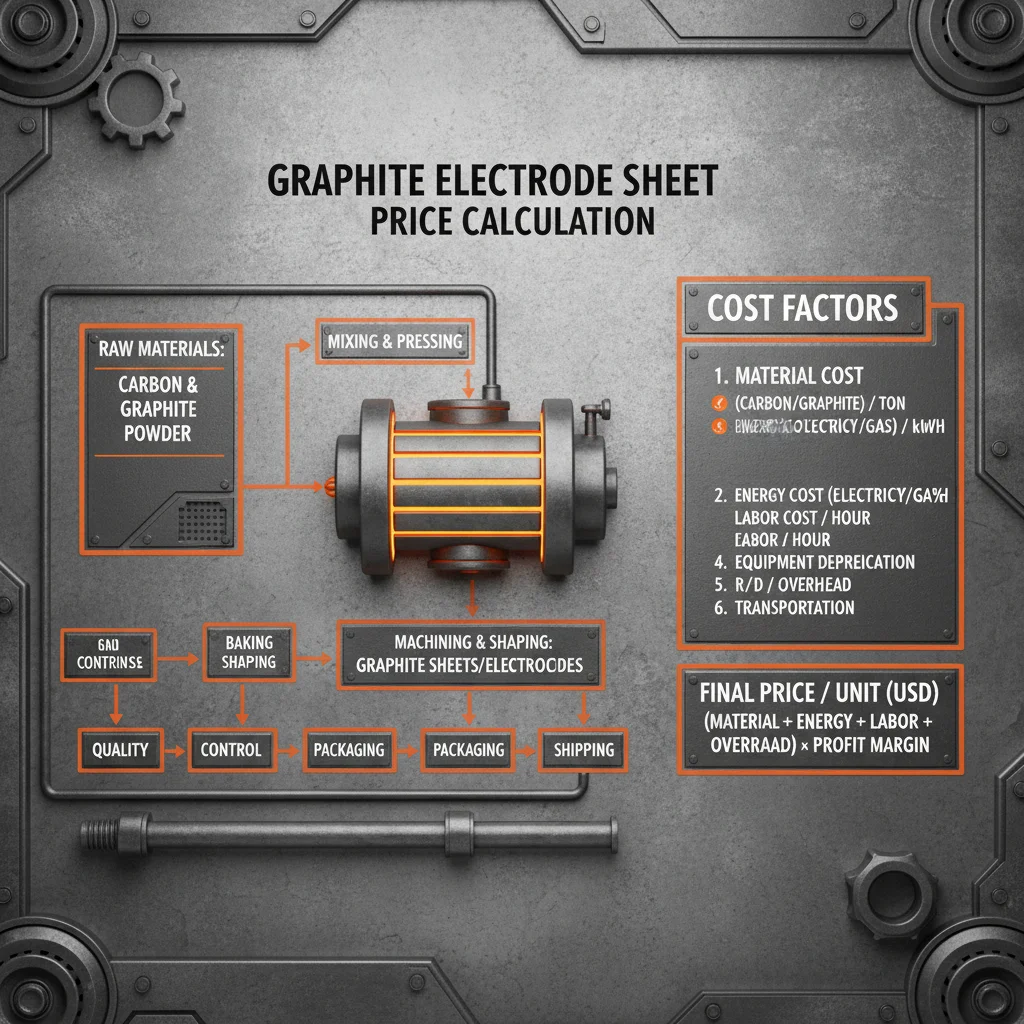
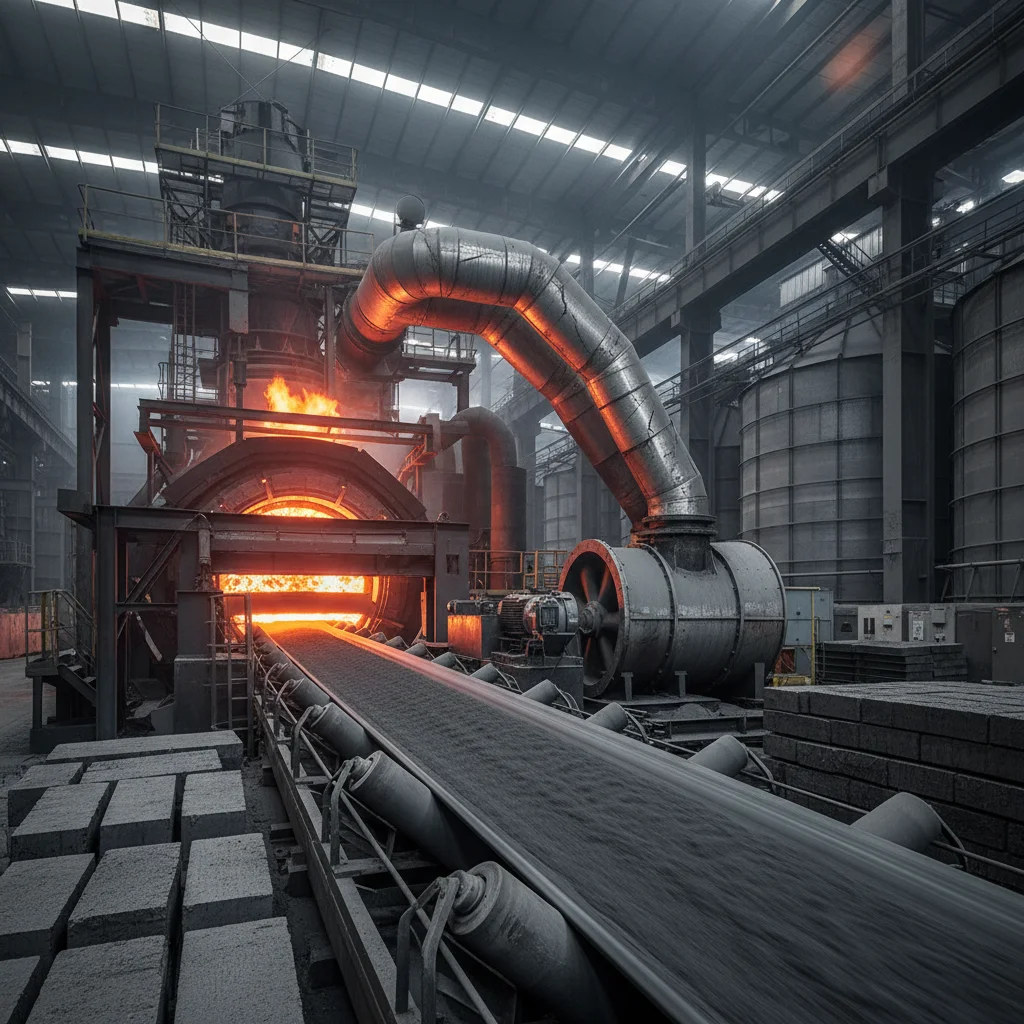
The production of a uhp graphite electrode is a sophisticated multi-stage journey. It begins with calcination and compounding, where the petroleum and needle coke are blended. This is followed by kneading and pressing to form the initial shape, then baking to remove volatile components and harden the structure.
To eliminate porosity and enhance density, the components undergo pressure impregnation and graphitization. Graphitization is the critical phase where the carbon structure is rearranged at extreme temperatures to optimize conductivity and thermal stability, ensuring the electrode can sustain the massive heat generated in a smelting environment.
The final stage involves professional CNC machining. This precision machining ensures that the electrodes meet exact dimensional tolerances, which is vital for seamless installation and stability within the furnace, reducing downtime and increasing the overall processing speed of the production line.
Core Performance Characteristics
One of the defining traits of the uhp graphite electrode is its remarkably low electrical resistance. This characteristic allows for the efficient transfer of energy into the charge, reducing energy waste and speeding up the melting process in both Ladle Furnaces (LF) and Electric Arc Furnaces (EAF).
Furthermore, the high density and compact structure of the uhp graphite electrode provide superior anti-oxidation capabilities. This means the electrode resists the corrosive effects of the furnace atmosphere, significantly lowering the consumption rate and extending the service life of the component.
Beyond thermal and electrical properties, these electrodes are prized for their chemical purity. With low sulfur and low ash levels, they ensure that no secondary impurities are introduced into the molten steel, maintaining the metallurgical integrity of the high-grade alloys produced.
Comparative Efficiency and Consumption Rates
Efficiency in smelting is often measured by the ratio of metal produced to the amount of graphite consumed. The uhp graphite electrode is specifically designed to offer a "small graphite loss" profile. Due to its dense and uniform structure, it resists the mechanical and thermal erosion that typically plagues lower-grade electrodes.
By reducing the frequency of electrode replacements, plants can achieve faster processing speeds and lower production costs. This efficiency is particularly evident when comparing UHP grades to standard HP electrodes in high-power furnace environments.
Operational Performance of UHP Graphite Electrode Variants
Global Industrial Applications
The versatility of the uhp graphite electrode makes it a staple across various heavy industries. In the steelmaking sector, they are primarily utilized in electric-arc furnaces and ladle furnaces for refining and melting. Their ability to sustain extremely high heat levels makes them the only viable choice for these demanding environments.
Beyond steel, these electrodes are critical in the non-ferrous industry. They are widely employed in yellow phosphorus furnaces, industrial silicon furnaces, and copper melting processes. Whether in the industrial hubs of Asia or the manufacturing zones of Europe, these components enable the production of high-purity silicon and phosphorus required for electronics and chemicals.
Long-term Value and Durability
Investing in high-quality uhp graphite electrode components provides tangible long-term economic value. Because they are highly durable and possess a long service life, operators face fewer shutdowns for maintenance. This reliability translates directly into increased annual output and more predictable production schedules.
The high mechanical strength ensures that the electrodes do not fracture easily under the physical stress of the furnace's movement. When combined with their oxidation resistance, the result is a product that maintains its shape and conductivity over a longer period compared to traditional carbon alternatives.
From a sustainability perspective, lower graphite consumption means less material waste and fewer raw materials required over the lifetime of the furnace. This efficiency not only boosts the bottom line but also aligns with the industry's push toward greener, leaner manufacturing processes.
Technical Specifications and Quality Analysis
To ensure consistent quality, every uhp graphite electrode must meet rigorous technical benchmarks. The balance between needle coke content and binder quality determines the final density and resistivity. High-end electrodes aim for a dense, uniform structure to prevent "spalling" or premature cracking.
Precision machining accuracy is another key metric. Even a few millimeters of deviation can lead to instability in the furnace, which increases the risk of electrode breakage. Therefore, CNC-machined electrodes are the industry standard for high-power operations.
Finally, the chemical analysis of the ash and sulfur content is non-negotiable. By keeping these levels low, the electrode serves as a pure conductor, ensuring that the metallurgical quality of the molten metal is not compromised by the consumable parts of the furnace.
Core Technical Analysis of UHP Graphite Electrode Performance
| Performance Metric | Industry Standard | UHP Advantage | Impact on Production |
|---|
| Ash Content | < 5% | < 3% | Higher Metal Purity |
| Electrical Resistivity | Moderate | Ultra-Low | Reduced Energy Loss |
| Needle Coke Ratio | 40-60% | Up to 80% | Enhanced Strength |
| Oxidation Resistance | Standard | High/Superior | Lower Consumption Rate |
| Machining Tolerance | ± 2mm | CNC Precise | Stable Furnace Operation |
| Service Life | Baseline | Extended | Lower OpEx |
FAQS
The UHP (Ultra-High Power) graphite electrode is distinguished by its higher density, lower electrical resistivity, and a significantly higher needle coke content (often up to 80%). This combination allows it to handle much higher current densities and resist oxidation more effectively, resulting in lower graphite consumption and higher efficiency in high-power electric arc furnaces.
Ash consists of non-carbon impurities. When the electrode wears down, these impurities enter the melt. High ash content can introduce unwanted elements into the steel, potentially causing defects or requiring additional refining steps. UHP electrodes control ash content within 3% to ensure the purity of the final metal alloy.
Yes, they are highly effective in various smelting processes beyond steel. They are widely used in the production of yellow phosphorus, industrial silicon, and the melting of copper. Their ability to sustain extreme heat and provide consistent conductivity makes them the best choice for any smelting furnace using an electric arc.
Needle coke is a high-grade petroleum coke with a unique crystalline structure. In a UHP graphite electrode, it provides the mechanical strength and electrical conductivity necessary to survive the intense thermal and physical stresses of an electric arc furnace without fracturing or wearing down too quickly.
CNC machining ensures that the electrodes are produced with extreme dimensional accuracy. Precise fitment is crucial for maintaining the electrode's verticality and stability during operation. Any misalignment can lead to uneven wear, increased vibration, or premature failure of the electrode.
The most effective way to reduce consumption is to upgrade to UHP grade electrodes with high density and strong anti-oxidation properties. Additionally, optimizing furnace parameters and ensuring the use of precise, high-quality electrodes minimizes unplanned graphite loss and extends the overall service life.
Conclusion
The uhp graphite electrode is more than just a conductive rod; it is a precision-engineered component that determines the efficiency, purity, and cost-effectiveness of modern smelting. By combining high-grade needle coke with rigorous graphitization and CNC machining, these electrodes provide the essential balance of electrical conductivity, mechanical strength, and thermal resistance required for high-power industrial applications.
As the industry moves toward smarter and greener production, the demand for low-consumption, high-durability materials will only grow. Investing in superior UHP graphite technology is a strategic move for any facility aiming to reduce operational overhead while maximizing output quality. To ensure your furnace operates at peak performance, we invite you to explore our professional solutions. Visit our website: www.dahcarbon.com