In the demanding landscape of industrial smelting and steelmaking, the efficiency of electrical conductivity is paramount. While high-performance electrodes provide the primary conduit for energy, the strategic use of graphite paste and related carbonaceous materials ensures that electrical connections remain seamless and energy loss is minimized. Understanding these conductive interfaces is critical for any facility aiming to optimize its arc furnace operations.
The global industrial sector is currently facing a dual challenge: the need for increased production speeds and the mandate for lower operational costs. High-quality conductive solutions, including advanced graphite materials, address these challenges by reducing resistivity and enhancing the durability of the smelting equipment. This technical synergy allows for more stable arcs and a significant reduction in electrode consumption.
By focusing on the intersection of material purity—such as low ash and low sulphur content—and precise mechanical application, manufacturers can achieve unprecedented levels of efficiency. Whether it is through the use of HP and UHP graphite electrodes or the application of specialized graphite paste for jointing, the goal remains the same: maximizing thermal energy delivery while protecting the integrity of the steel.

The Role of Graphite Conductivity in Industry
Conductivity is the cornerstone of the electric arc furnace (EAF) and ladle furnace (LF) operations. The ability of a material to release electrical energy into heat to melt a charge depends heavily on its resistivity. By utilizing high-purity carbon products and optimizing connections with graphite paste, operators can ensure a stable electric arc that is essential for consistent steel quality.
Furthermore, the reduction of graphite loss during the production process directly translates to lower costs. When materials exhibit low electrical resistance and high density, they can sustain extreme temperatures without premature degradation, ensuring that the energy is focused on the molten metal rather than being wasted as heat within the electrode itself.
Material Composition and Structural Integrity
The foundation of any high-performance carbon product lies in its raw materials. Premium electrodes are crafted from low-ash materials, including petroleum coke, needle coke, and coal pitch. The inclusion of needle coke, often accounting for up to 80% of the composition in HP/UHP grades, provides the necessary structural framework to withstand immense mechanical stress.
Beyond the raw materials, the chemical purity of the product is vital. Low sulphur and low ash content (controlled within 3%) are non-negotiable requirements, as impurities can migrate into the melt and "give steel a second time impurity," compromising the final product's metallurgy. This focus on purity is mirrored in the selection of binders used in conductive graphite paste formulations.
A dense and uniform structure is the final result of this rigorous material selection. This compactness prevents the infiltration of oxidizing gases and ensures that the mechanical strength remains high even under the thermal shock of a smelting furnace, leading to a significantly longer service life.
Manufacturing Processes for High-End Carbon Products
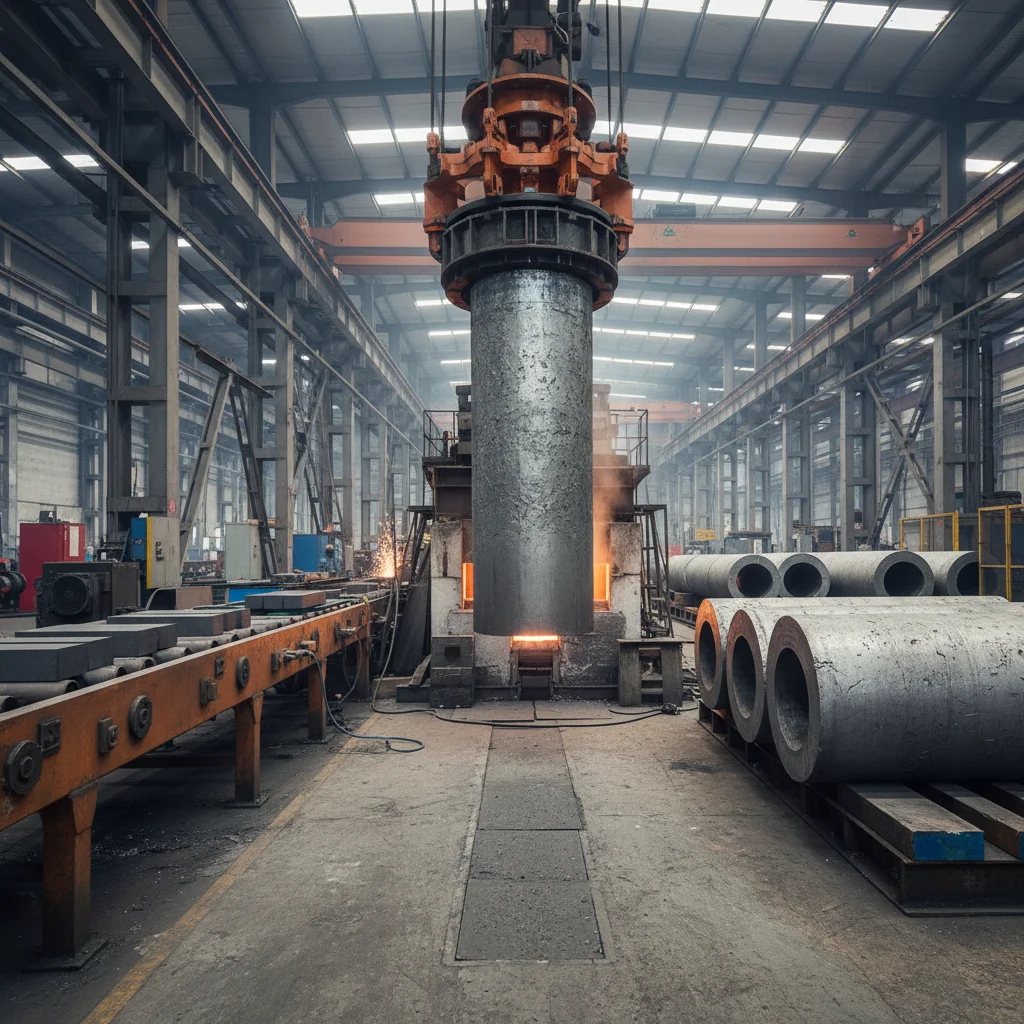
The transformation of raw coke into a high-performance conductor involves a complex series of thermal and mechanical steps. It begins with calcination and compounding, where the raw materials are prepared for mixing. The subsequent kneading process ensures a homogenous distribution of the binder, which is critical for the stability of the final graphite paste or electrode body.
Precision is then applied through pressing, baking, and pressure impregnation. Impregnation is a key stage that fills the internal pores of the material, increasing the density and improving the anti-oxidation capability. This is followed by graphitization, where the material is heated to extreme temperatures to align the carbon atoms into a crystalline structure, drastically lowering electrical resistivity.
The final stage involves CNC precision machining. This ensures that every electrode fits perfectly within its housing, minimizing gaps that would otherwise require excessive graphite paste to fill. This level of accuracy is what separates industrial-grade components from high-precision engineering tools used in modern steelmaking.
Performance Metrics of Conductive Graphite Solutions
Evaluating the success of a carbon solution requires looking at specific KPIs: electrical resistivity, oxidation resistance, and consumption rates. A lower resistivity means less energy is lost as heat within the conductor, while high oxidation resistance ensures the material does not burn away rapidly in the oxygen-rich environment of the furnace.
When comparing different application methods, the choice of conductive interfaces—such as the quality of the jointing graphite paste—can significantly impact the overall electrode consumption rate. A well-sealed, highly conductive joint prevents localized overheating and premature failure.
Efficiency Ratings of Various Conductive Carbon Methods
Global Applications in Smelting and Refining
The application of these carbon materials extends across several heavy industries. In the steelmaking sector, they are indispensable in Electric Arc Furnaces (EAF) and Ladle Furnaces (LF), where they serve as the primary energy delivery system. The precision of the electric arc, facilitated by high-quality electrodes and graphite paste, determines the refinement level of the steel.
Beyond steel, these materials are critical in the non-ferrous industry, specifically in silicon and phosphorus furnaces. In these environments, the ability to sustain extreme heat and resist chemical erosion is paramount. The use of dense, low-resistivity carbon ensures that these furnaces can operate continuously with minimal downtime for electrode replacement.
Long-Term Value and Cost Efficiency
The long-term value of investing in premium graphite products is found in the reduction of the "cost per ton" of steel produced. While the initial procurement cost of UHP electrodes or specialized graphite paste may be higher, the reduction in consumption rates and energy waste provides a far greater return on investment.
Operational reliability is another emotional and logical driver. When a furnace can operate without the fear of electrode breakage or joint failure, the facility achieves a state of stability that boosts worker safety and production predictability. This trust in the material's mechanical strength is essential for high-volume annual outputs.
Sustainability is also improved through efficiency. By reducing the amount of graphite lost to oxidation and wear, the environmental footprint of the smelting process is slightly lowered. High-efficiency materials mean fewer replacements and less industrial waste over the lifetime of the furnace.
Future Trends in Carbon Material Innovation
The future of the industry is moving toward "smart carbon" and even higher purity standards. Research is currently focusing on nano-structured graphite to further reduce resistivity and increase mechanical toughness. These innovations will likely lead to a new generation of graphite paste that can withstand even higher thermal gradients without cracking.
Automation in the production process, specifically in CNC machining and automated impregnation, is allowing for tighter tolerances and more consistent product quality. This digital transformation ensures that every batch of 80,000 tons meets the exact specifications required for global export.
Moreover, the shift toward green energy is pushing the industry to find more sustainable binders and lower-energy graphitization methods. The goal is to maintain the exceptional conductivity of HP and UHP electrodes while reducing the carbon footprint of the manufacturing process itself.
Comparative Analysis of Graphite Product Specifications
| Material Grade |
Resistivity Level |
Oxidation Resistance |
Typical Application |
| UHP Graphite |
Ultra-Low |
Excellent |
Heavy-duty EAF |
| HP Graphite |
Low |
Very Good |
Ladle Furnaces |
| Graphite Paste |
Medium-Low |
Good |
Joint Filling |
| Standard Coke |
Medium |
Fair |
General Smelting |
| Needle Coke |
Low |
Excellent |
Electrode Core |
| Recarburizer |
High |
Moderate |
Carbon Addition |
FAQS
Graphite paste is used to fill the gaps between electrode segments, creating a low-resistance electrical bridge. This prevents localized heating at the joints, which can lead to premature electrode failure, and ensures that the current flows smoothly, thereby reducing energy loss and increasing the overall efficiency of the smelting process.
Ultra-High Power (UHP) electrodes have lower electrical resistivity and higher mechanical strength compared to High Power (HP) electrodes. This is achieved through a higher needle coke content and more rigorous graphitization, making UHP electrodes ideal for the most demanding, high-current EAF operations where durability and energy efficiency are critical.
Ash consists of inorganic impurities that do not conduct electricity as well as pure carbon. High ash content can increase electrical resistance and, more importantly, these impurities can migrate into the molten steel, introducing unwanted elements that degrade the quality of the final alloy. Maintaining ash content below 3% is essential for high-grade steel production.
The service life depends on the furnace type and the quality of the material. However, by using UHP electrodes and properly applied graphite paste, operators can significantly reduce the consumption rate. High density and superior anti-oxidation properties ensure the electrode lasts longer even under extreme thermal and chemical stress.
Yes, graphite electrodes are widely used in the production of industrial silicon, yellow phosphorus, and the melting of copper. Their ability to withstand extremely high heat while maintaining high electrical conductivity makes them the only viable choice for these specific smelting environments.
Needle coke provides the structural anisotropy necessary for high mechanical strength and low resistivity. By ensuring needle coke accounts for a large portion of the raw material (up to 80%), manufacturers can produce electrodes that resist cracking under thermal shock and maintain a stable arc during the smelting process.
Conclusion
In summary, the optimization of industrial smelting depends on a holistic approach to carbon materials. From the selection of low-ash raw materials and the precision of CNC machining to the strategic application of graphite paste for conductive joints, every detail contributes to lower production costs and higher steel quality. The synergy of low resistivity, high density, and superior oxidation resistance ensures that graphite electrodes remain the gold standard for energy delivery in EAF and LF systems.
Looking forward, the integration of nano-materials and automated production will further push the boundaries of what carbon products can achieve. For manufacturers, the path to competitiveness lies in adopting UHP materials and maintaining a rigorous standard of purity. By investing in high-performance conductive solutions, the industry can achieve a sustainable balance between high-volume output and operational efficiency. Visit our website for more professional solutions: www.dahcarbon.com