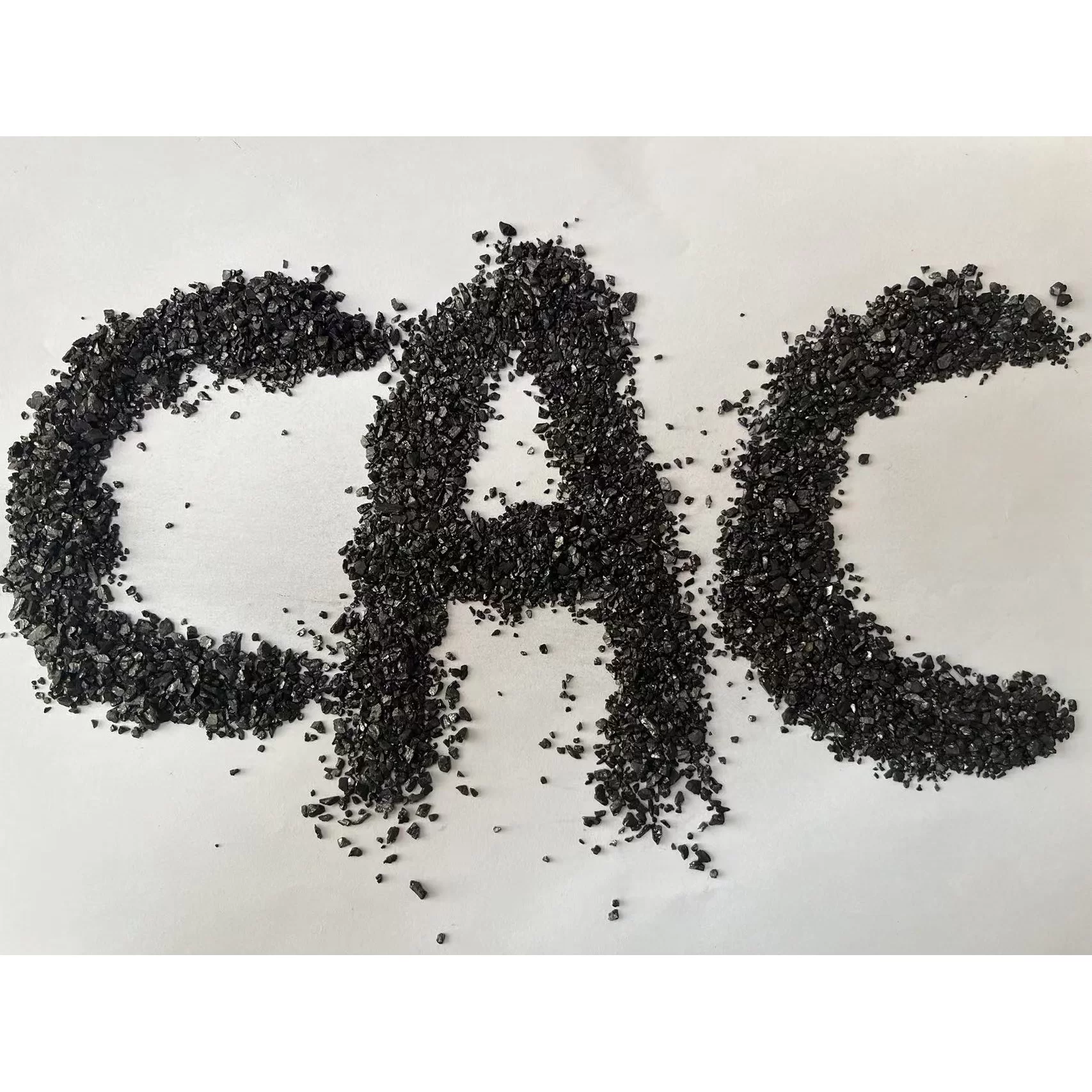
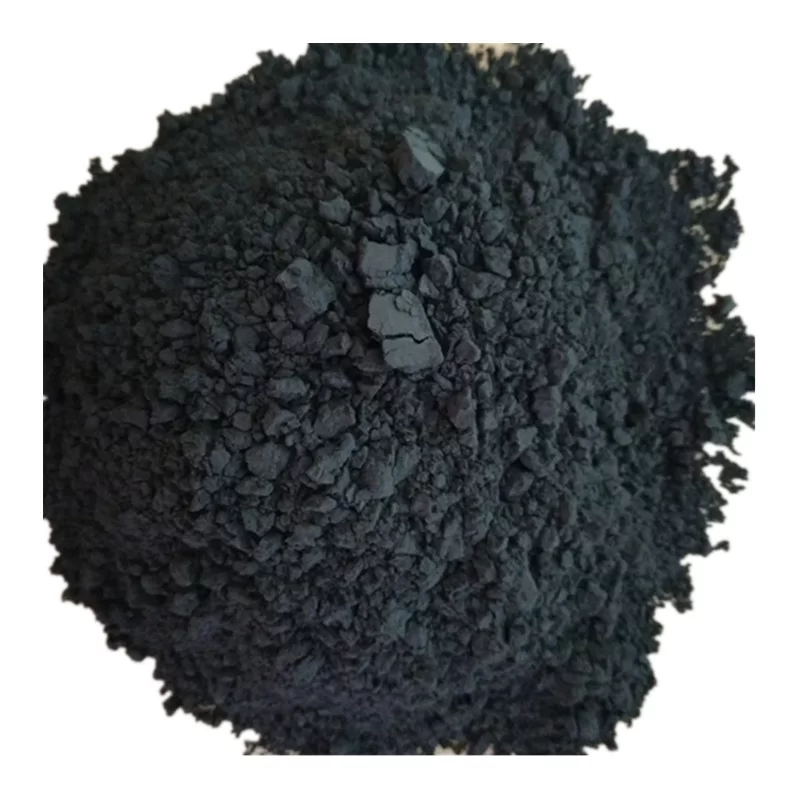
Italy's industrial landscape is characterized by highly specialized clusters in the north and center, where precision casting and steelmaking are pillars of the economy. In these environments, the demand for calcined petroleum coke is driven by the need for high-purity anodes in aluminum electrolysis and consistent carbon sources for specialized alloy production. The regional focus on automotive components and high-end machinery requires materials that minimize impurities to prevent structural defects in final cast products.
From a procurement perspective, Italian foundries are increasingly shifting toward graphitized petroleum coke to improve the conductivity and thermal stability of their processes. The technical challenge often lies in balancing the cost of imported raw materials with the stringent quality standards required for ductile iron pipes and boiler components. Reliability in the supply chain is paramount, as any fluctuation in carbon quality directly impacts the metallurgical properties of the industrial output.
As the industry evolves toward greener production, there is a growing emphasis on energy efficiency within electric arc furnaces. The integration of high-density arc furnace electrodes has become a focal point for reducing power consumption and increasing the melt rate. For Italian enterprises, the transition involves upgrading legacy equipment to handle more stable, long-lasting carbon products that can withstand the intense thermal stresses of modern steelmaking.