

Precision-engineered materials for aluminum electrolysis, steelmaking, and iron casting foundries.


Understanding the operational needs and procurement dynamics for carbon materials in the regional landscape.
The industrial infrastructure in Palestine often relies on specialized imports for non-metallic mineral products. Given the geographical constraints and logistics of the region, local operators prioritize materials with high stability and long shelf-life, such as calcined petroleum coke, to ensure continuous production cycles without frequent interruptions.
Procurement needs in the regional foundries are centered around enhancing the quality of grey and ductile iron. There is a growing demand for consistent graphitized petroleum coke to optimize carbon absorption and reduce casting defects in the production of auto parts and industrial boilers.
Operational efficiency in the local steel and aluminum sectors is heavily dependent on the quality of electrodes. The shift toward more energy-efficient smelting processes requires high-purity carbon materials that can withstand extreme thermal stress while maintaining electrical conductivity, pushing the market toward professional-grade graphite solutions.
Tracing the transition from basic carbon additives to high-precision graphite engineering.
Analyzing the key drivers shaping the future of graphite and carbon material usage.
Shift toward ultra-low sulfur and low-ash graphite blocks to enhance the lifespan of industrial equipment.
Implementation of optimized recarburizers to lower overall casting costs and improve metal yield.
Development of more flexible delivery models to ensure stable material flow in the Palestinian market.
Adoption of advanced graphitization techniques to produce materials with superior electrical conductivity.
Over the next few years, the regional demand in Palestine is expected to shift from generic carbon additives to high-specification graphite products. This transition is driven by the need for higher precision in iron casting and the drive for better energy efficiency in smelting operations.
From a procurement perspective, buyers will likely move away from spot-market purchasing toward strategic supply agreements. This ensures that critical raw materials like calcined petroleum coke are available consistently, mitigating the risks associated with regional supply chain fluctuations.
Practical implementations of graphite and carbon products across various industrial sectors.
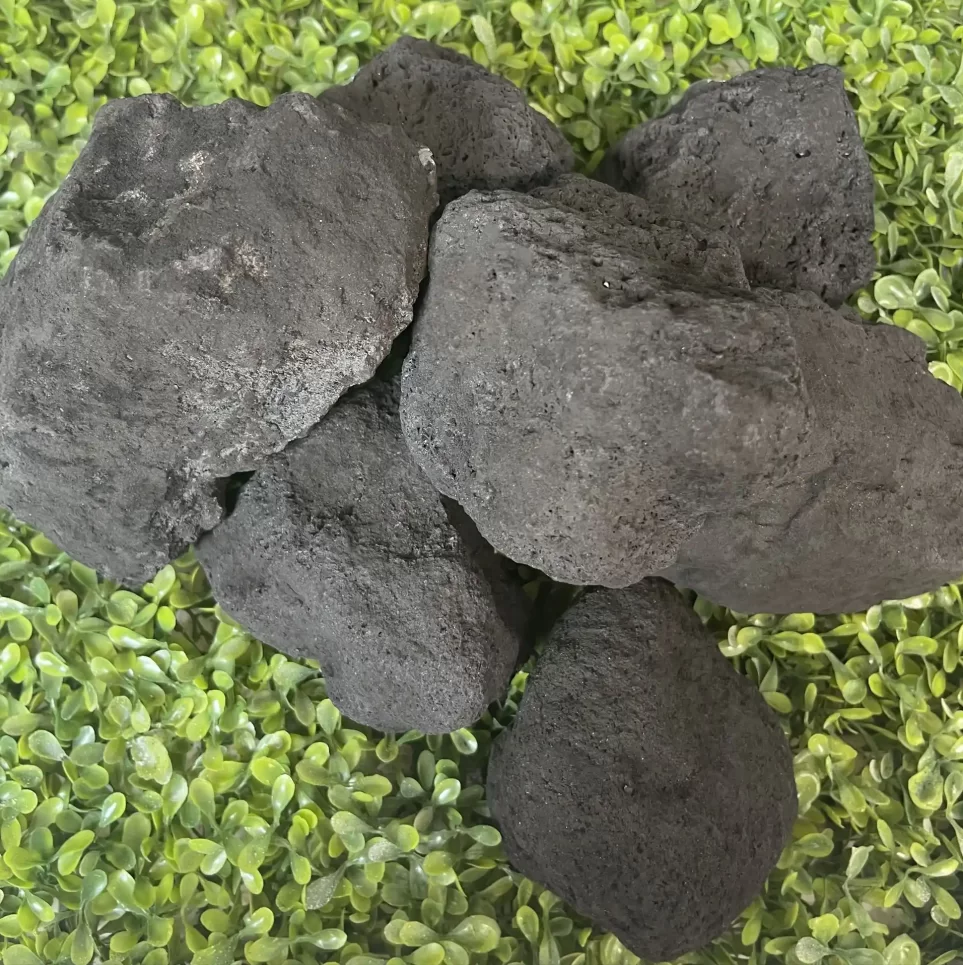
Utilizing calcined petroleum coke as a primary raw material for pre-baked anodes, ensuring stable current flow and efficient aluminum production.
Integrating graphitized petroleum coke in the production of ductile iron pipes and auto parts to achieve a uniform graphite distribution in the metal matrix.
Applying high-purity recarburizers during the steel refining process to precisely adjust carbon content while minimizing slag formation.
Deploying high-power graphite electrodes in electric arc furnaces (EAF) to maintain stable arcs and ensure efficient melting of scrap steel.
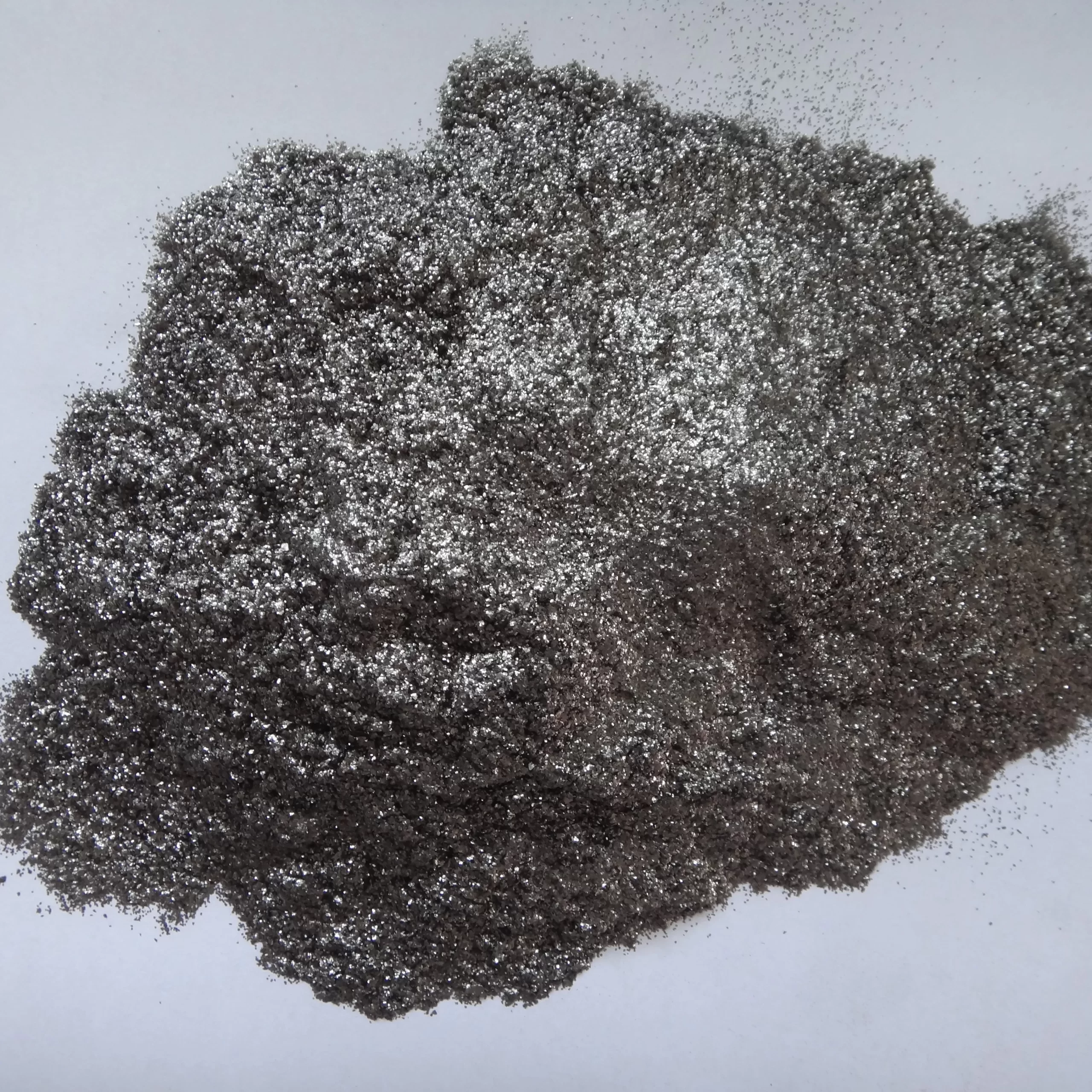
Using high-grade graphite powder for industrial lubrication and as a release agent in high-temperature molding processes.
Two decades of excellence in graphite production and global material supply.
Established as a large-scale graphite production enterprise in China, building over 20 years of specialized experience in carbon materials.
Developed two full production lines achieving an annual comprehensive capacity of 60,000 tons of high-quality graphite products.
Successfully exported a full range of graphite products to the Middle East, Southeast Asia, Europe, and Africa, building a reputation for quality and reliability.
Specialized solutions for aluminum, iron, and steel production environments.
Answers to common technical and procurement questions regarding carbon materials.
The choice depends on the application: calcined petroleum coke (CPC) is primarily used for aluminum anode production due to its structure, while graphitized petroleum coke (GPC) is preferred for iron foundries because of its higher conductivity and carbon recovery rate. We recommend analyzing the required carbon absorption rate of your melt before selection.
Performance is mainly influenced by electrical conductivity, thermal shock resistance, and mechanical strength. High-purity graphite reduces oxidation rates and prevents premature electrode breakage, which is critical for maintaining arc stability in steelmaking furnaces.
Yes, graphite powder can be adjusted based on particle size (mesh), purity, and crystallinity. Depending on whether it is used for lubricants, conductive coatings, or as a carbon additive, different technical specifications are required to ensure optimal performance.
We utilize a dedicated laboratory and inspection system that strictly follows a standardized quality control system. Every batch of petroleum coke or graphite electrodes undergoes rigorous testing for purity and physical properties before shipment to ensure compliance with international industrial standards.
Packaging is key to preventing contamination and mechanical damage. We use reinforced, moisture-proof packaging for graphite blocks and electrodes. We recommend coordinating shipping schedules with local customs agents in Palestine to ensure a smooth transition from port to facility.
With over 20 years of experience and a production capacity of 60,000 tons, we offer a stable supply of diverse products including UHP/HP/RP electrodes and various recarburizers. Our focus on market-driven innovation and quality assurance makes us a reliable global partner for the aluminum, iron, and steel industries.
Discuss your specific industrial requirements for Palestine with our engineering team to optimize your material selection and procurement strategy.
Contact Us Now


