


Supplying essential raw materials to support the operational stability of aluminum, steel, and iron foundries across the region.

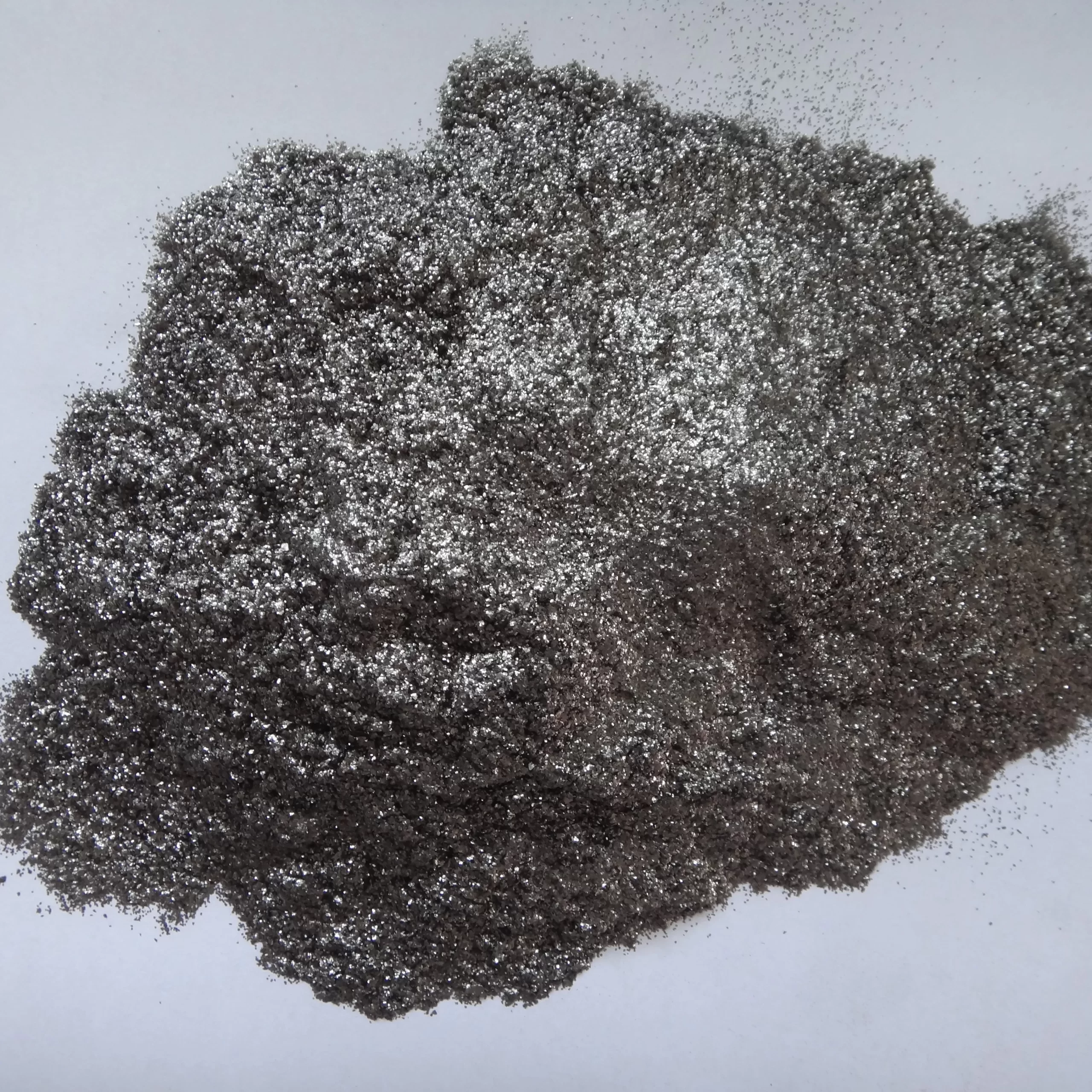
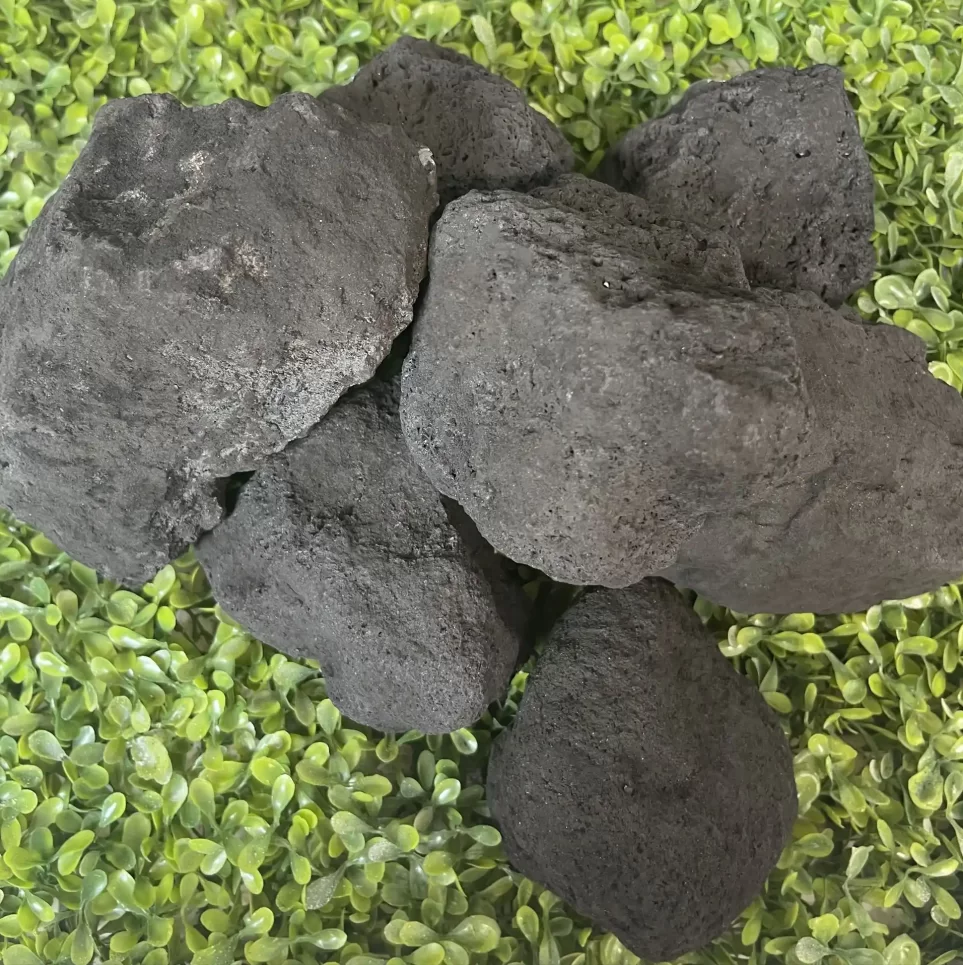
Balancing material purity with supply chain reliability to drive smelting productivity.
Thailand's industrial landscape, particularly in the Eastern Economic Corridor, relies heavily on precise carbon additives. The demand for calcined petroleum coke is driven by the need for high-density anodes in aluminum electrolysis, where material consistency directly impacts electrical conductivity and energy consumption.
Furthermore, the local iron casting industry—focused on automotive components and industrial piping—requires stable recarburizers. The use of graphitized petroleum coke helps foundries achieve precise carbon levels in ductile and grey iron, reducing casting defects and enhancing structural integrity.
For procurement managers in Thailand, the priority has shifted from simple cost-reduction to total cost of ownership. Utilizing high-purity carbon materials reduces slag formation and decreases furnace downtime, making the selection of an experienced global supplier critical for maintaining competitive production cycles.
From basic carbon additives to precision-engineered graphite products.
Foundries primarily used basic carbon sources with wide purity variances, leading to inconsistent casting quality.
Introduction of calcining and graphitization processes allowed for tighter control over porosity and electrical properties.
Industry now demands tailored specifications for arc furnace electrodes to optimize energy efficiency in steelmaking.
Increasing focus on reducing kilowatt-hour per ton of steel through higher-grade carbon conductivity.
Stricter sulfur and ash content requirements to meet international automotive export standards in Thailand.
Moving toward long-term partnerships with integrated producers to mitigate global raw material volatility.
Adapting to the next generation of metallurgical demands.
Developing materials that maintain structural integrity under extreme temperature fluctuations.
Precision milling of graphite powder for specialized lubricants and coatings.
Optimization of carbon additives to reduce slag waste and atmospheric emissions during melting.
Improving the graphitization degree to lower electrical resistance in electrolysis cells.
As Thailand continues to upgrade its industrial infrastructure, the reliance on standardized, high-capacity production lines becomes paramount. The integration of advanced carbon materials is no longer an option but a necessity for plants aiming to lower their operational overhead while increasing throughput.
Decision-makers should focus on the synergy between material grade and furnace technology. Selecting the correct graphite blocks or electrodes based on the specific alloy being produced can significantly extend the lifespan of furnace linings and reduce maintenance intervals.
Solving specific operational challenges with targeted carbon solutions.
In Thailand's aluminum smelting plants, calcined petroleum coke is used as a primary raw material for pre-baked anodes, ensuring low electrical resistance and high current efficiency.
Grey and ductile iron foundries producing auto parts utilize graphitized petroleum coke to maintain precise carbon equivalents, ensuring the required hardness and wear resistance.
Steel producers implement UHP graphite electrodes to sustain stable arcs at high power levels, reducing electrode consumption and improving smelting speed.
Heavy industrial foundries casting large-scale boilers use high-purity recarburizers to prevent porosity and ensure uniform carbon distribution in thick-walled sections.
Specialized chemical plants in Thailand employ graphite powder as a dry lubricant additive for high-temperature industrial machinery, reducing friction in extreme environments.
Building trust through quality and stable supply.
With over 20 years of experience, we established ourselves as a large-scale graphite production enterprise in China, focusing on the core needs of the metallurgical industry.
Developed two full production lines with an annual capacity of 60,000 tons, allowing us to supply UHP/HP/RP electrodes and a full range of carbon materials globally.
Successfully expanded exports to Southeast Asia, the Middle East, Europe, and Africa, building a reputation for strict quality control and reliable after-sales service.
From high-grade electrodes to specialized powders, we provide the full spectrum of carbon materials.
Expert answers to help you select the right carbon solutions.
Whether you are managing a foundry or a steel plant in Asia - Thailand, our technical team can help you select the most efficient carbon materials to reduce costs and enhance productivity.
Discuss Your Requirements


