


Supplying critical carbon agents and electrodes to support Libyan metallurgy and industrial casting processes.
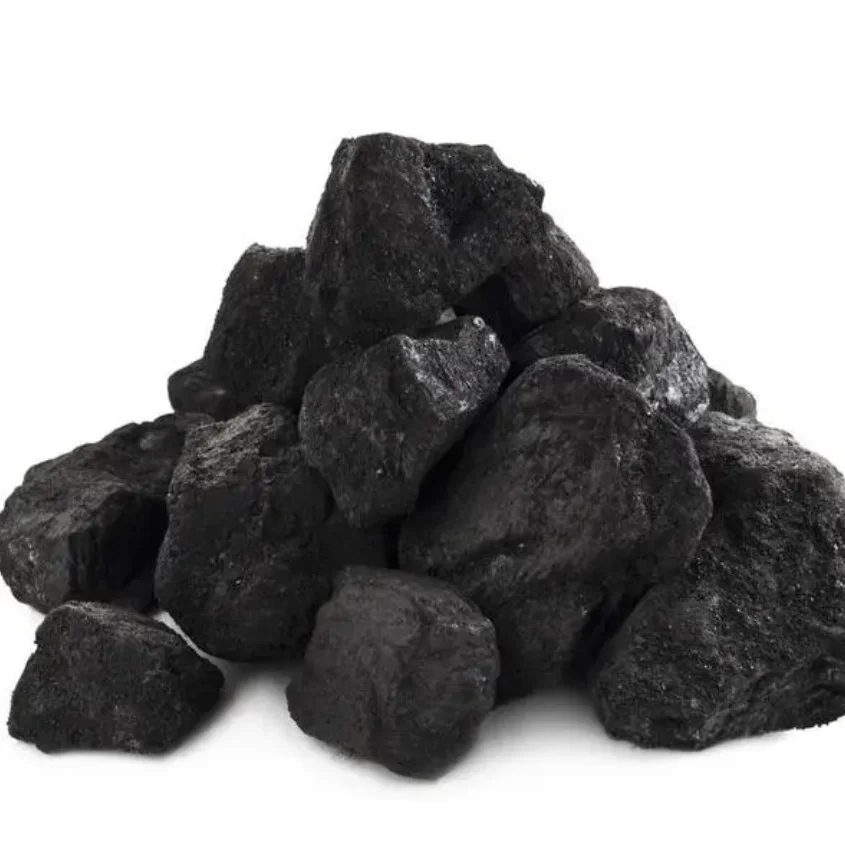


Addressing the specific challenges of material stability and quality in North African industrial hubs.
Libya's industrial landscape, particularly in steelmaking and aluminum smelting, relies heavily on the consistent quality of carbon additives. The demand for calcined petroleum coke is driven by the need for high-density anodes and stable carburization, which are essential for reducing energy consumption in electric arc furnaces.
Logistical considerations and the need for reliable supply chains make it critical for Libyan foundries to partner with experienced global producers. The integration of graphitized petroleum coke has become a priority for operations seeking to improve the conductivity and thermal stability of their production lines.
For procurement managers in Libya, the focus has shifted from simple cost-reduction to total lifecycle value. Utilizing high-purity graphite powder and precision-engineered electrodes minimizes downtime and reduces the frequency of replacement, directly impacting the bottom line of regional manufacturing plants.
Tracing the transition from basic carburization to advanced graphite technology.
Initial reliance on standard carbon additives for basic iron casting and rudimentary steel production.
The introduction of specialized petroleum cokes and refined graphite to enhance structural integrity in casting.
Widespread use of UHP electrodes and graphitized materials to meet global quality standards for aluminum and steel.
Increasing shift toward higher graphitization levels to reduce energy loss during the melting process in arc furnaces.
Rising demand for low-sulfur and low-ash carbon agents to prevent contamination in ductile iron foundries.
Libyan enterprises are seeking diversified global partners to ensure stable material flow despite regional volatility.
Strategic focus areas for the next generation of Libyan industrial production.
Using superior graphite materials to lower electricity requirements in smelting operations.
Improving the lifespan of arc furnace electrodes through optimized carbon structures.
Adopting specific carbon grades tailored to the exact chemical requirements of local alloys.
Transitioning to high-purity agents to reduce emissions and improve casting quality.
The long-term viability of Libyan heavy industry depends on the ability to integrate high-performance materials that can withstand extreme operating temperatures. The transition toward more stable graphite blocks in furnace lining and support structures is likely to accelerate as plants upgrade their infrastructure.
Decision-makers should prioritize suppliers who offer comprehensive laboratory inspection systems. Ensuring that raw materials meet strict quality control standards is the most effective way to prevent casting defects and reduce operational waste in the North African market.
Practical implementation across various industrial sectors.
In Libya's aluminum plants, calcined petroleum coke is used to create pre-baked anodes, ensuring high electrical conductivity and minimal oxidation during electrolysis.
Electric arc furnace operators utilize high-grade recarburizers to precisely adjust carbon levels in molten steel, reducing the need for multiple heating cycles.
Foundries producing water and oil pipes in Libya employ graphitized petroleum coke to ensure uniform graphite nodulization and superior mechanical strength.
Precision casting for engine components requires ultra-fine graphite powder to achieve the desired surface finish and internal structural density.
The use of graphite-based materials in the fabrication of industrial boilers ensures high thermal conductivity and resistance to corrosive environments typical of coastal Libyan sites.
Two decades of excellence in graphite and carbon production.
With over 20 years of production experience, the company established itself as a large-scale graphite producer in China, focusing on rigorous quality control.
Developing two full production lines with an annual capacity of 60,000 tons, specializing in UHP/HP/RP electrodes and a wide range of recarburizers.
Expanding export operations to Southeast Asia, the Middle East, Europe, and Africa, building a reputation as a trusted partner for the aluminum and steel industries.
Reliable, high-capacity supply of carbon materials designed for extreme industrial environments.
Expert answers to support your procurement and technical decisions.
Optimize your manufacturing efficiency in Africa - Libya with our professional carbon and graphite solutions. Discuss your specific industrial requirements with our technical team today.
Discuss Your Requirements


