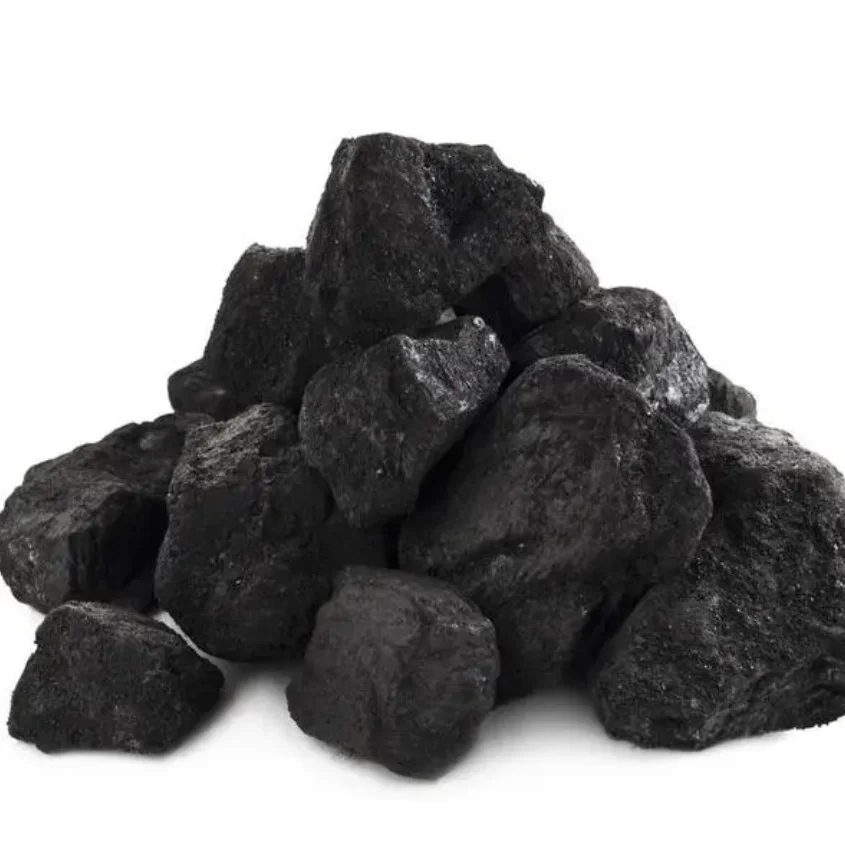
Zimbabwe's industrial landscape is heavily anchored in mineral extraction and metallurgy. The demand for high-quality calcined petroleum coke is driven primarily by the need for stable anodes in aluminum production and reliable recarburizers in steel plants. As the region seeks to increase its value-added processing of raw ores, the reliance on consistent, low-sulfur carbon materials has become critical for maintaining operational uptime.
A significant challenge for local operators is the variability of raw material quality, which often leads to increased electrode consumption and unstable furnace temperatures. The transition toward more sophisticated casting techniques for auto parts and boiler components in Zimbabwean foundries has increased the necessity for graphitized petroleum coke to ensure precise carbon control and reduce casting defects.
Consequently, industrial buyers in Zimbabwe are shifting their focus toward suppliers who can provide strict quality control and laboratory-verified specifications. The priority has moved from simple procurement to strategic sourcing of materials like graphite powder and electrodes that can withstand the rigors of heavy-duty industrial smelting while lowering overall production costs.