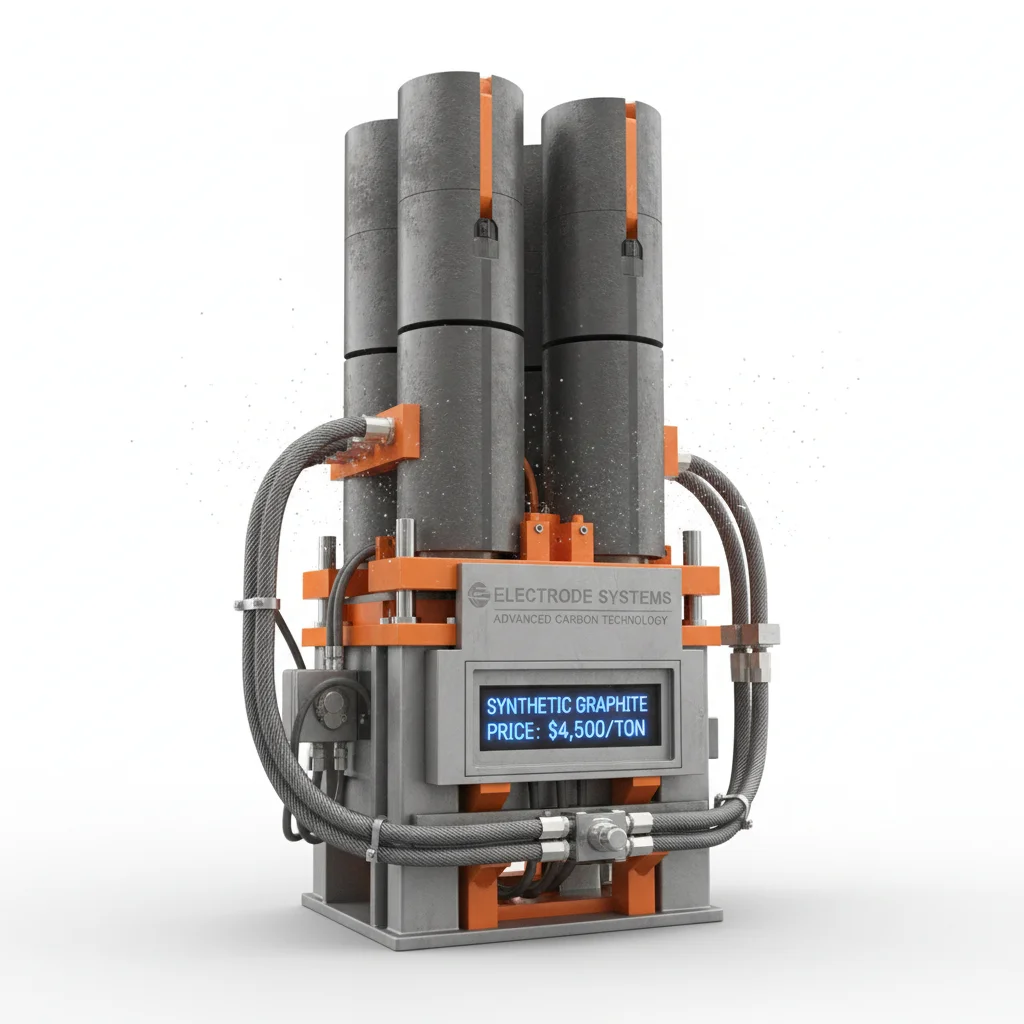
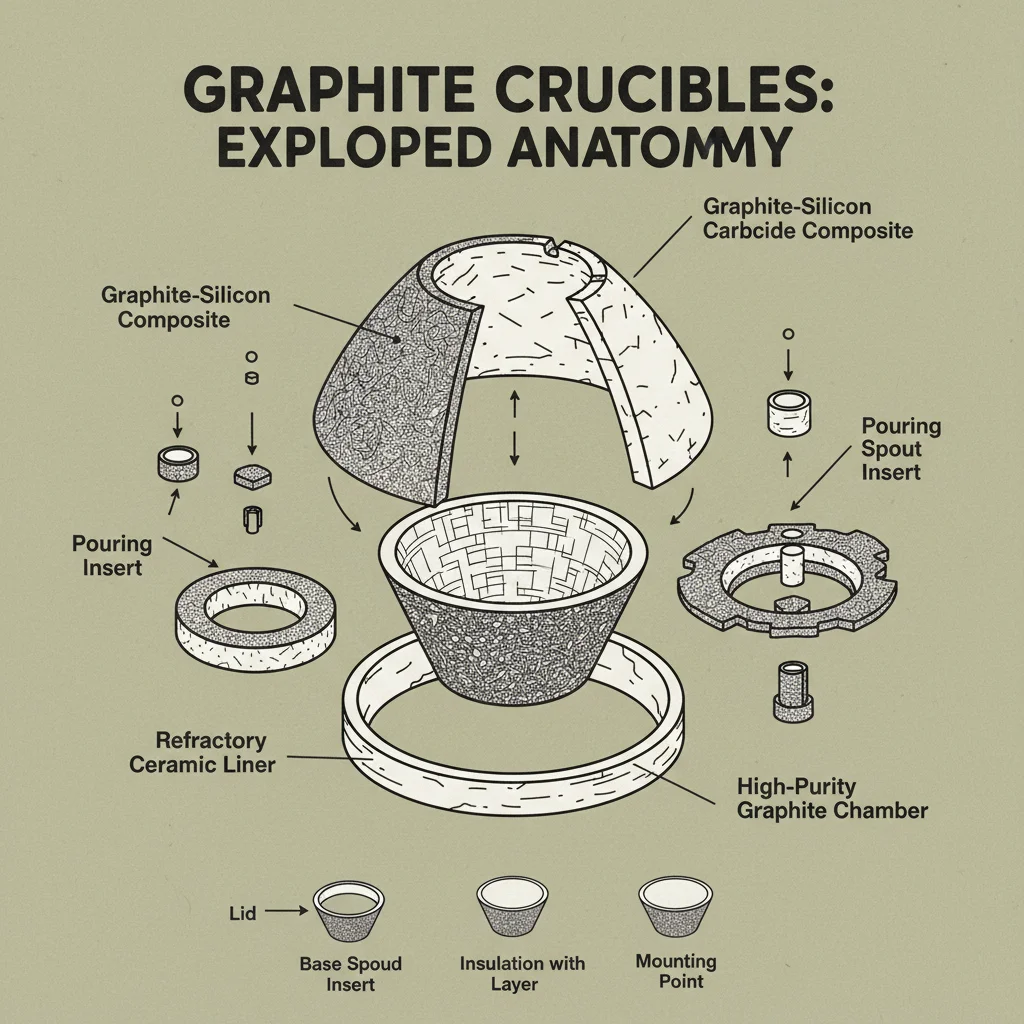
Look, after running around construction sites all year, dealing with dust and engineers, let me tell you about graphite plate suppliers. It's a bit of a hot topic lately, actually. Everyone’s talking about higher purity, tighter tolerances… honestly, it’s exhausting. It used to be simple, you knew what you were getting. Now it’s all about squeezing out that last little bit of performance.
What’s really interesting, though, is how much people underestimate the design details. You think you’ve got a perfectly engineered plate, then you get it on site, and it’s just…wrong. Have you noticed how often people forget about thermal expansion? It’s a killer. Especially with these larger plates. They look great on paper, but then they crack under stress.
The material itself… well, it’s graphite, right? But even within graphite, there's a world of difference. Some stuff smells almost sweet when you machine it, others… like burnt plastic. It depends on the binder, I guess. And the feel is crucial. A good plate should have a slight resistance when you try to scratch it – that’s a sign of good density. We mostly use isostatic graphite, it’s consistent, you can rely on it.

The Growing Demand for Graphite Plate Suppliers

Honestly, the demand is insane right now. It’s not just semiconductors anymore, you're seeing it in everything from electric vehicle battery components to high-temperature furnaces. Seems like everyone needs high-purity graphite. It’s driven by the push for more efficient and sustainable technologies, I guess.
I encountered this at a ceramics factory last time - they were having trouble with their sintering process, constantly cracking the molds. Switched to a finer-grained graphite plate and it solved the whole problem. Strangely enough, they hadn’t even considered graphite as a solution before!
FAQS
Lead times really vary depending on the complexity of the design, the quantity, and the supplier's current workload. Generally, you're looking at anywhere from 3 to 8 weeks for something truly custom. But if it’s a standard size and grade, you can often get it in 2-4 weeks. Always ask for a firm quote with a guaranteed delivery date – and then add a little buffer, just in case.
Communication is key! Provide detailed drawings and specifications upfront, including acceptable tolerance ranges. Ask the supplier about their quality control procedures. And, crucially, request a Certificate of Analysis (COA) with each shipment. A good COA will verify the material’s purity, density, and other key properties. I also recommend first article inspection – get a sample approved before they start mass production.
Furnace liners, heating elements, crucibles, and susceptors are the big ones. Graphite’s high thermal stability and resistance to thermal shock make it ideal for these environments. Different grades are used depending on the temperature and atmosphere. For example, silicon-impregnated graphite is used to improve oxidation resistance at high temperatures. It's a real balancing act to pick the right material.
Finer grain size generally leads to better machinability, higher strength, and a smoother surface finish. However, it can also make the material more expensive. Coarser grain graphite is often used for applications where strength isn't as critical, but cost is a concern. It’s all about finding the right balance for your specific needs.
Absolutely! Most reputable suppliers offer custom machining services. They can cut, grind, and polish graphite plates to your exact specifications. Just be prepared to pay a premium for non-standard sizes and complex geometries. Providing a detailed CAD drawing is essential for accurate quoting and manufacturing.
Oxidation is a real concern at high temperatures. You can use protective coatings, like silicon carbide, to create a barrier. Operating in an inert atmosphere (argon, nitrogen) also helps. And make sure the plates are properly designed to minimize exposure to oxygen. It all depends on the operating environment, really.
Conclusion
So, there you have it. Graphite plate suppliers are a crucial part of a lot of industries. Getting the right material, the right specifications, and a reliable supplier is essential for success. It’s not always glamorous work, but it's important.
Ultimately, whether this thing works or not, the worker will know the moment he tightens the screw. And if he's cursing under his breath, well… you probably picked the wrong supplier. Check out graphite plate suppliers for more information and reliable solutions.