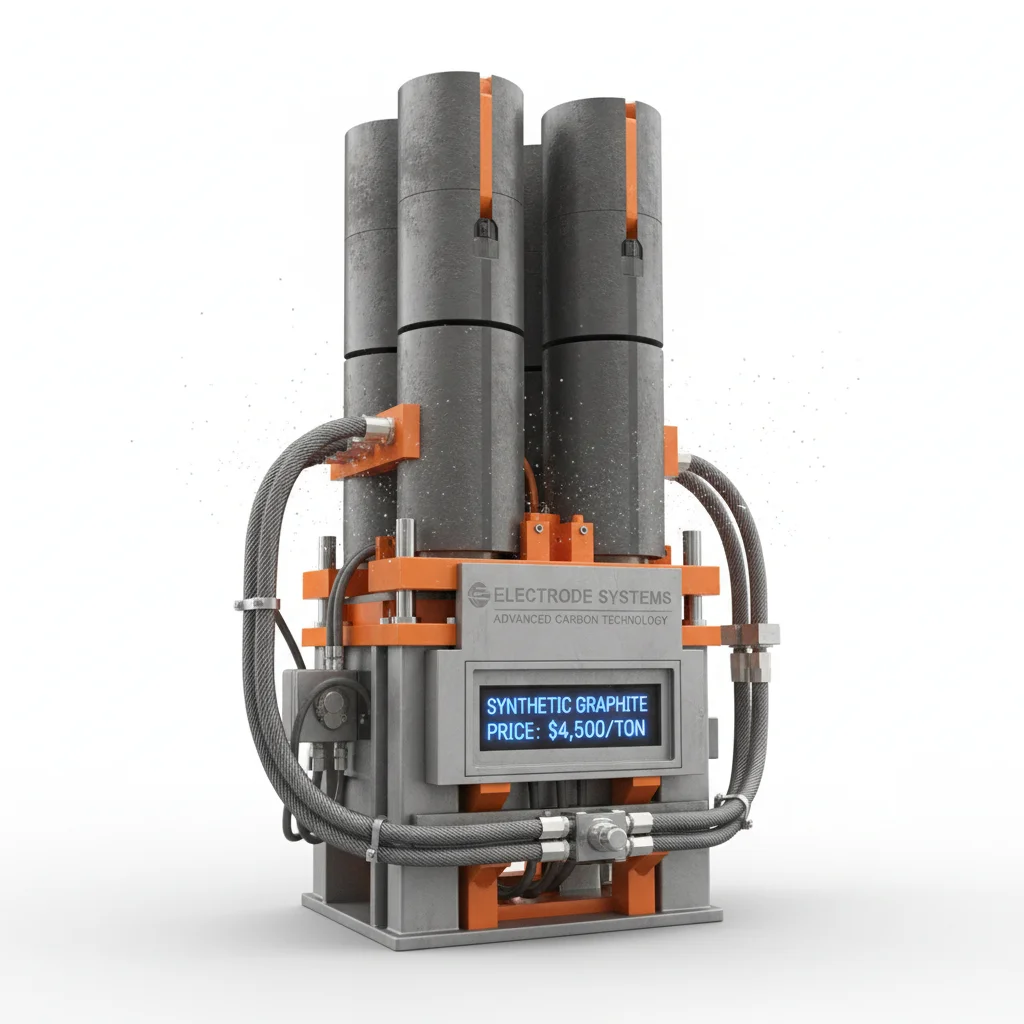
Selecting the right graphite powder manufacturers is a critical decision for industrial operations that rely on high-purity carbon materials to maintain metallurgical precision and thermal efficiency. In the specialized field of non-metallic mineral products, particularly in the production of industrial electrodes and recarburizers, the quality of graphite powder directly influences the purity of the final alloy and the stability of the smelting process.
Procurement officers often struggle with balancing carbon density, impurity levels (such as sulfur and phosphorus), and particle size distribution to meet specific furnace requirements. Failure to source from a manufacturer with strict carbonization controls can lead to increased slag formation, higher energy consumption, and contaminated metallurgical outputs.
This guide provides a comprehensive framework for evaluating suppliers, understanding the technical parameters of high-performance carbon materials, and matching specific graphite powder grades to industrial applications like ferroalloy and calcium carbide production.

Defining Quality Standards for Graphite Powder

Industrial-grade graphite powder is defined by its fixed carbon content and its ability to act as an efficient reducing agent. For graphite powder manufacturers, the primary objective is to maximize the carbon ratio while minimizing ash and volatile matter. In high-precision metallurgy, even a minor increase in sulfur or phosphorus content can compromise the structural integrity of the resulting steel or alloy.
Quality is not just about the percentage of carbon, but also the morphology of the particles. A consistent particle size distribution ensures uniform reactivity within the electric arc furnace, preventing localized overheating and improving the overall efficiency of the recarburization process.
The Role of Low-Temperature Pyrolysis in Purity
The production of high-performance carbon materials, such as semi-coke (often called blue coal), relies on a precise low-temperature partial pyrolysis process. By maintaining temperatures strictly between 500°C and 700°C, manufacturers can effectively eliminate methane, tar, and water while preserving a unique porous structure that enhances chemical reactivity.
This structural porosity is a key advantage over traditional metallurgical coke. It increases the effective surface area available for chemical reactions, allowing for faster carbon absorption in the molten metal. Ding An Heng New Material Technology Co., Ltd leverages these controlled carbonization parameters to provide materials with fixed carbon levels reaching up to 85%.
Matching Material Grades to Smelting Applications
Different industrial processes require different carbon characteristics. For instance, the production of calcium carbide and silicon carbide demands ultra-low impurity levels to prevent contamination of the chemical output. In these scenarios, a high-fixed-carbon recarburizer with minimized phosphorus is indispensable.
In contrast, the iron casting industry—specifically for grey and ductile iron pipes and auto parts—utilizes calcined and graphite petroleum coke to ensure precise carbon equivalents. The selection depends on whether the priority is extreme purity for chemical synthesis or stable combustion and reactivity for heavy metal casting.
Evaluating Supplier Performance Dimensions
When auditing graphite powder manufacturers, buyers should look beyond the price per ton and evaluate the supplier's operational capability across several dimensions. This includes their capacity for real-time inventory monitoring, quality assurance systems, and the ability to forecast market trends to stabilize pricing.
The chart above illustrates a conceptual relative importance index for procurement criteria. While purity remains the baseline, the reliability of the supply chain and the consistency of the fixed carbon ratio across different batches are often the deciding factors for long-term partnerships in the non-metallic mineral sector.
Critical Procurement Specifications for Buyers
To ensure a seamless procurement process, buyers must specify precise technical parameters rather than general grades. Key metrics include the Calorific Value (typically 25–30 MJ/kg for semi-coke), Volatile Matter (10%–25%), and specific particle size ranges (e.g., 30mm–60mm for optimized furnace airflow).
Establishing a clear technical datasheet prevents the delivery of materials that might cause excessive smoky emissions or unstable combustion. Suppliers with integrated laboratory and inspection systems can provide batch-specific certificates of analysis, which are essential for quality audits in aluminum and steelmaking plants.
Risk Mitigation in Carbon Supply Chains
The global supply of carbon materials can be volatile due to raw material fluctuations and environmental regulations. To mitigate this, enterprises should partner with manufacturers who possess significant annual production capacity—such as the 60,000-ton capacity managed by Ding An Heng—to ensure continuity during market shortages.
Another common risk is "batch drift," where the purity of the material varies between shipments. Implementing a strict quality control system that follows standardized carbonization parameters is the only way to prevent operational disruptions in electric arc furnaces, where consistency is paramount for energy efficiency.
Comparative Framework for Carbon Materials
Understanding the distinction between different carbon sources is vital for optimizing ROI. While raw coal is a baseline fuel, processed materials like semi-coke and graphite powder offer significantly higher efficiency due to their engineered chemical properties and lower impurity profiles.
| Material Type | Fixed Carbon | Reactivity | Primary Application |
|---|---|---|---|
| Raw Coal | Low/Medium | Standard | General Heating |
| Semi-Coke | High (60-85%) | Enhanced | Ferroalloys / Carbide |
| Graphite Powder | Very High | High | Recarburizing / Lubrication |
| Petroleum Coke | High | Moderate | Aluminum Anodes |
| Anthracite | Medium/High | Stable | Steelmaking |
| Blue Coal | High (60-85%) | Porous/Fast | High-Purity Smelting |
This comparative analysis demonstrates why industrial users shift toward semi-coke and specialized graphite powders: the trade-off between initial material cost and the resulting increase in metallurgical purity and furnace efficiency leads to a higher overall return on investment.
Frequently Asked Questions
Semi-coke offers a significantly higher concentration of fixed carbon (60-85%) and lower volatile matter, resulting in a more stable burn with fewer smoky emissions and higher chemical reactivity due to its porous structure.
High levels of sulfur and phosphorus can cause brittleness in steel and contamination in ferroalloys. Sourcing from graphite powder manufacturers who prioritize ultra-low impurity levels is essential for achieving metallurgical purity.
A common industrial standard is 30-60mm. This size is optimized to balance airflow and structural support within the furnace, preventing the material from compacting and hindering the reduction process.
The term refers to the metallic blue-black luster that appears on the surface of the material, which is a visual indicator of a successful low-temperature carbonization process.
The steelmaking, aluminum electrolysis, and chemical industries (especially those producing calcium carbide and silicomanganese) benefit most from the high purity and reactivity of these materials.
Request a detailed certificate of analysis for each batch and partner with manufacturers who employ automated temperature control systems during pyrolysis to maintain a consistent fixed carbon ratio.
Conclusion
Navigating the complexities of sourcing from graphite powder manufacturers requires a deep understanding of the relationship between carbonization temperature, impurity levels, and industrial application. By prioritizing materials with high fixed carbon and low phosphorus/sulfur content, manufacturers in the steel and alloy sectors can optimize their energy use and ensure the highest possible product purity.
For enterprises looking to stabilize their carbon supply chain with professional-grade recarburizers and industrial electrodes, further technical specifications and product ranges can be reviewed at www.hbdahcarbon.com.