The global industrial landscape relies heavily on high-performance carbon materials to sustain the rigorous demands of metallurgy and energy production. Finding a reliable graphite block supplier is essential for companies seeking to optimize their thermal management and electrical conductivity, as the quality of raw carbon inputs directly dictates the efficiency of the final industrial output.
In recent years, the shift toward precision engineering has increased the demand for materials that can withstand extreme temperatures without compromising structural integrity. Whether it is for smelting operations or the production of high-grade electrodes, the role of a specialized graphite block supplier extends beyond simple logistics to providing technical expertise in carbon purity and density.
Our premium Calcined Anthracite Coal stands as a testament to this precision, offering a high-density solution for those who require the stability of a professional graphite block supplier. By utilizing advanced DC electric calcination, we ensure that moisture and volatile matter are eliminated, creating a superior raw material for the steel and carbon industries.

The Technical Foundation of Calcined Anthracite
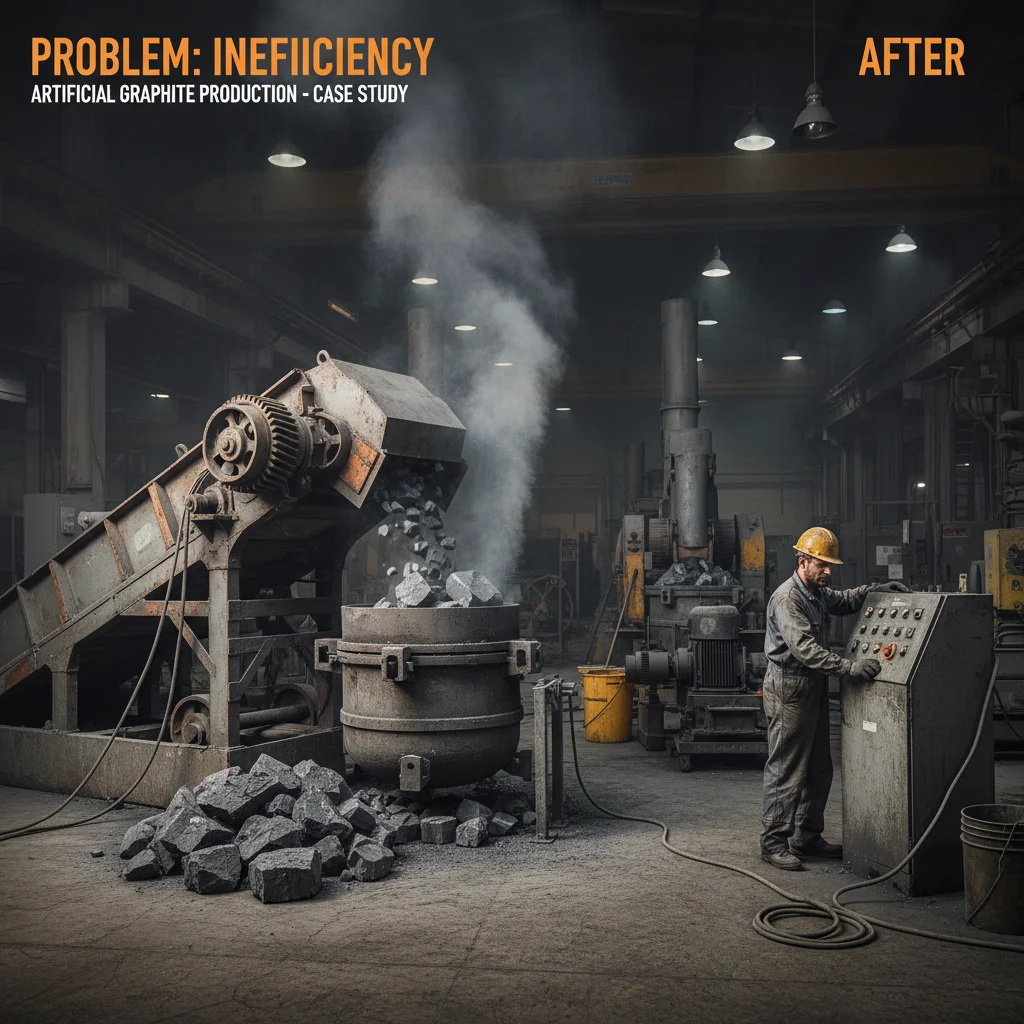
Calcined Anthracite Coal is produced through a rigorous thermal process where premium anthracite is subjected to temperatures between 800°C and 1200°C. This process is facilitated by advanced DC electric calciners, which ensure a uniform heat distribution that eliminates volatile matter and moisture, effectively transforming raw coal into a high-density carbon product.
For any professional seeking a reputable graphite block supplier, the precision of this calcination is key. The resulting material exhibits strengthened mechanical durability and a significantly reduced resistivity, making it an ideal foundation for the production of graphite electrodes and other high-conductivity carbon components.
Industrial Significance and Global Demand
The global steel industry faces a constant challenge: maintaining precise carbon levels in molten metal while minimizing impurities. This is where the expertise of a carbon-focused graphite block supplier becomes critical, as the purity of the recarburizer directly impacts the quality of the final steel product, influencing everything from tensile strength to corrosion resistance.
Industry standards, such as those outlined by ISO for carbon materials, emphasize the need for low ash content and high fixed carbon. By utilizing calcined anthracite, manufacturers can reduce the amount of slag formed during the smelting process, leading to higher yields and lower operational costs per ton of steel produced.
As global infrastructure projects expand across Asia and Africa, the demand for high-efficiency fuels and carbon additives has surged. The ability to source materials that offer both high electrical conductivity and mechanical strength is no longer a luxury but a necessity for maintaining competitive production speeds.
Core Components of High-Performance Carbon
One of the most critical factors in evaluating a graphite block supplier is the anti-oxidation capability of the material. Through advanced thermal treatment, the carbon matrix is strengthened, allowing the material to resist oxidation even in the most aggressive high-heat industrial environments.
Low electrical resistivity is another core component that defines a premium graphite block supplier. By minimizing the resistance to current flow, calcined anthracite ensures that electrodes operate at peak efficiency, reducing energy waste and accelerating the smelting process in electric arc furnaces.
Finally, structural density and low ash content are paramount. High density reduces porosity, which enhances the mechanical strength of the final product, while minimal impurities ensure that no unwanted slag is introduced into the molten metal, safeguarding the purity of the alloy.
Comparative Efficiency in Carbon Additives
When comparing raw anthracite to calcined anthracite, the differences in performance are stark. Raw materials contain significant volatile matter and moisture, which can lead to unstable combustion and inconsistent carbon absorption in steel manufacturing. In contrast, the processed materials provided by a quality graphite block supplier are nearly devoid of volatiles.
This purity leads to an accelerated processing speed and a significantly lower oxidation rate. By integrating calcined carbon, industrial plants can achieve a more precise control over the carbon content of their steel, ensuring that the resulting product meets strict industrial specifications every time.
Efficiency Metrics for Carbon Material Sourcing
Global Applications and Real-World Use Cases
In the heavy industrial zones of Europe and North America, calcined anthracite is widely used as a high-efficiency fuel and a critical recarburizer. By partnering with a specialized graphite block supplier, these regions maintain the high purity levels required for aerospace-grade alloys and specialized automotive steel.
Beyond the steel industry, these materials are essential in the production of carbon-based components for smelting. In remote industrial zones where energy efficiency is a priority, the low resistivity of calcined carbon reduces the electrical load on furnaces, directly lowering the cost of production and reducing the overall carbon footprint of the facility.
Long-Term Value and Sustainable Reliability
The long-term value of choosing a premium graphite block supplier lies in the reliability of the supply chain and the consistency of the material. When raw materials have consistent fixed carbon content and minimal impurities, the risk of batch failure in steel production is virtually eliminated, saving companies millions in wasted materials.
From a sustainability perspective, the use of DC electric calciners allows for more precise energy application compared to traditional kilns. This technological shift not only improves the quality of the carbon but also aligns with global movements toward greener industrial processes by reducing unnecessary emissions during the calcination phase.
Ultimately, the investment in high-grade calcined anthracite pays for itself through increased equipment lifespan. Components made from high-density carbon exhibit less wear and tear, reducing the frequency of replacement parts and minimizing unplanned downtime in critical smelting operations.
Future Innovations in Carbon Production
The future of carbon materials is moving toward extreme purity and automated quality control. Leading providers acting as a graphite block supplier are now integrating real-time monitoring of resistivity and density parameters during the production cycle, ensuring that every batch meets a zero-defect standard.
Digital transformation is also playing a role, with optimized inventory logistics and AI-driven sourcing to ensure that the highest grade of anthracite is selected based on current market availability and chemical composition. This ensures a stable supply of carbon additives even during global market volatility.
As we move toward a hydrogen-based economy and more efficient electric furnaces, the demand for carbons with even lower resistivity and higher anti-oxidation properties will grow. The evolution of the DC electric calcination process will remain the cornerstone of this development, pushing the boundaries of carbon performance.
Comparative Analysis of Carbon Material Performance
| Material Type |
Conductivity Level |
Oxidation Resistance |
Industrial Purity |
| Raw Anthracite |
Low/Moderate |
Standard |
Basic |
| Standard Calcined |
High |
Improved |
Intermediate |
| Premium DC Calcined |
Optimized |
Superior |
Premium |
| Graphite Block Grade |
Very High |
Very High |
Ultra-Pure |
| Low-Ash Recarburizer |
High |
High |
High |
| Specialized Carbon |
Customized |
High |
Optimized |
FAQS
Calcined anthracite has undergone a high-temperature treatment (800-1200°C) to remove moisture and volatile matter. This results in a material with significantly higher density, better electrical conductivity, and superior anti-oxidation properties compared to raw anthracite, making it far more suitable for industrial applications.
Low resistivity ensures better electrical conductivity. This is critical for the operational efficiency of graphite electrodes and other conductive components used in smelting and heating processes, as it reduces energy loss and improves the stability of the electrical arc.
It is used as a high-quality carbon additive to precisely control the carbon content of steel. Because of its low ash content, it allows for the addition of carbon without introducing mineral impurities that would otherwise create unwanted slag and degrade the purity of the steel.
The DC electric calciner provides a controlled, uniform, and high-temperature environment. This precision is necessary to ensure that volatile components are completely eliminated across the entire batch, resulting in consistent physical and chemical properties.
Yes, by eliminating volatile matter and increasing the structural density of the carbon matrix, the process significantly strengthens the mechanical structure. This makes the material more durable and resistant to crushing or wear in heavy-duty industrial environments.
Look for suppliers who provide detailed parameters on fixed carbon content, ash levels, and resistivity. A reliable supplier will utilize advanced technology like DC calciners and offer technical support for integrating their materials into your specific manufacturing process.
Conclusion
The transition from raw anthracite to a precision-calcined carbon product represents a vital leap in industrial efficiency. By focusing on the elimination of volatiles, the reduction of resistivity, and the enhancement of mechanical strength, manufacturers can significantly optimize their smelting and energy processes. Partnering with a specialized graphite block supplier ensures that these technical standards are met consistently, providing the purity and stability required for modern metallurgy.
Looking forward, the integration of automated quality monitoring and greener production technologies will continue to refine the capabilities of carbon materials. For industries striving for higher purity and lower operational costs, investing in premium calcined anthracite is the most effective path toward sustainable growth and technical excellence. Visit our website for more information: www.hbdahcarbon.com