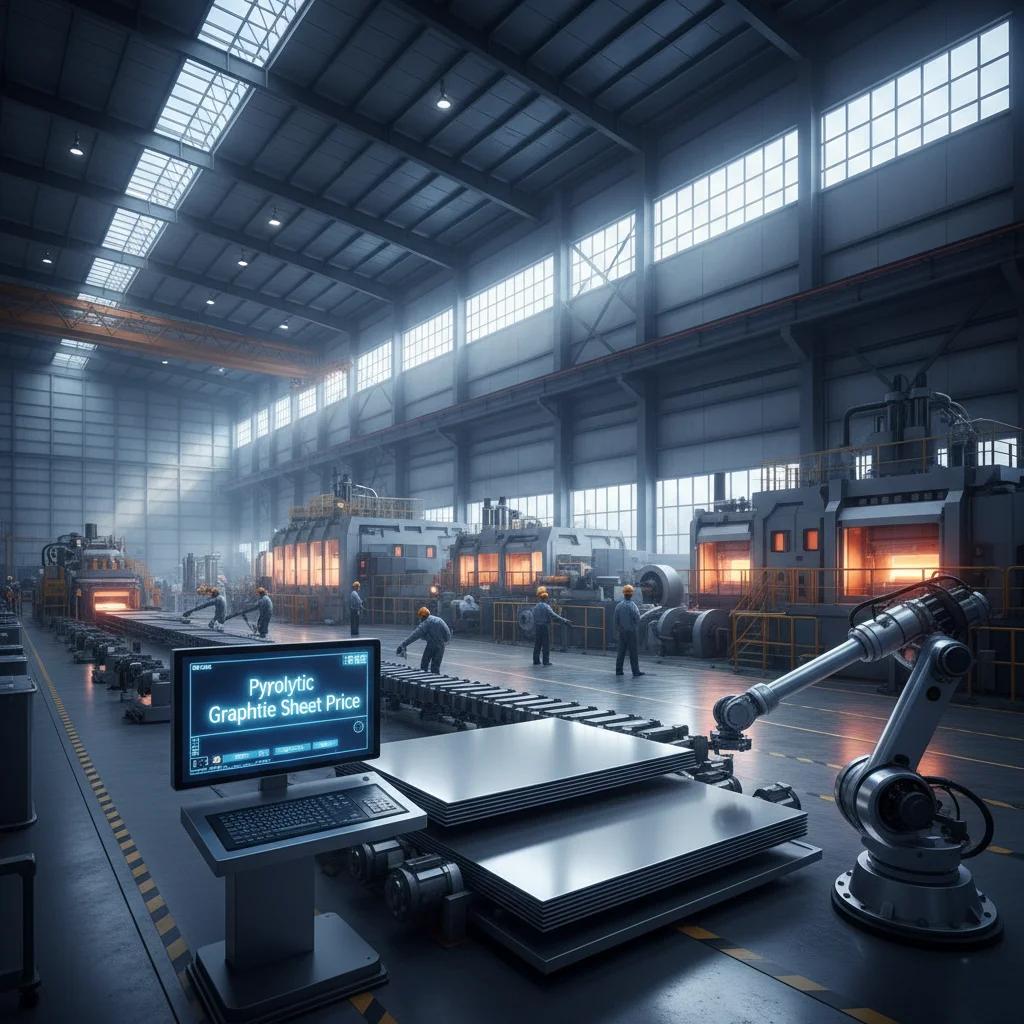
The modern industrial landscape relies heavily on the precision of material science, and at the heart of high-performance carbon production lies the graphitization furnace. This specialized equipment is essential for transforming amorphous carbon into crystalline graphite, a process that drastically enhances electrical conductivity and thermal stability for critical industrial applications.
Across the globe, the demand for high-purity graphite—used in everything from EV batteries to semiconductor manufacturing—has surged, placing the efficiency of the graphitization furnace under the spotlight. Without these furnaces, the production of high-grade Graphite Electrodes and Carbon Coke would be impossible, hindering the progress of the global metallurgical and energy sectors.
Understanding the nuances of these thermal processing systems allows manufacturers to optimize their output, reduce energy waste, and ensure the structural integrity of the final product. By mastering the balance of temperature and pressure within a graphitization furnace, industries can unlock the full potential of carbon-based materials.

The Fundamentals of Graphitization Furnace Technology
A graphitization furnace is a high-temperature thermal processing unit designed to heat carbonaceous materials to temperatures typically ranging from 2,500°C to 3,000°C. This extreme heat triggers a phase transformation where the disordered carbon atoms rearrange themselves into the characteristic hexagonal layered structure of graphite, which provides the material with its legendary conductivity and heat resistance.
The process is not merely about heat but about controlled atmospheric conditions and precise temperature gradients. By utilizing a graphitization furnace, manufacturers can ensure that impurities are volatilized and the resulting Graphite Powder or Graphite Blocks meet the stringent purity standards required for aerospace and electronic applications.
Global Industry Context and Demand Drivers
In the current global economy, the role of the graphitization furnace has evolved from a niche metallurgical tool to a cornerstone of the green energy transition. With the exponential rise in Lithium-ion battery production, the need for synthetic anode materials has skyrocketed. This has led to a global increase in the installation of large-scale graphitization plants, particularly in industrial hubs across Asia and Europe, to keep up with the ISO standards for battery-grade graphite.
However, the industry faces a significant challenge: the immense energy consumption required to reach 3,000°C. World Bank and environmental reports highlight the need for more energy-efficient thermal processing. This pressure is driving a shift toward smarter graphitization furnace designs that utilize advanced insulation and heat recovery systems to lower the carbon footprint of graphite production.
Despite these challenges, the strategic importance of these furnaces cannot be overstated. As countries strive for technological sovereignty in semiconductor and energy storage sectors, the ability to produce high-purity graphite internally—via an optimized graphitization furnace—is now viewed as a matter of national industrial security.
Core Components and Design Principles
The structural integrity of a graphitization furnace depends on its ability to withstand extreme thermal expansion. High-grade refractory linings and specialized heating elements, often made from graphite itself, are used to maintain a stable environment where the core material can be processed without contaminating the batch.
Precise temperature control systems are the "brain" of the graphitization furnace. These systems use advanced thermocouples and PID controllers to ensure that the heating rate is gradual, preventing the carbon blocks from cracking due to thermal shock and ensuring a uniform crystalline structure across the entire load.
Scalability and durability are the final pillars of design. Modern systems are often modular, allowing factories to increase their capacity by adding additional furnace units. This ensures that the graphitization furnace can evolve alongside the company's growth, providing a reliable path from pilot-scale production to mass-market supply.
Operational Efficiency and Performance Metrics
Evaluating the success of a graphitization furnace requires looking beyond simple temperature output. Key performance indicators (KPIs) include the energy consumption per ton of graphite produced, the purity level of the final product, and the cycle time from loading to cooling. High-efficiency furnaces minimize "dead time" through optimized cooling curves.
Furthermore, the consistency of the electrical conductivity in the output material serves as a direct proxy for the furnace's performance. If the temperature distribution is uneven, the resulting graphite will have "cold spots," leading to inconsistent quality in Graphite Electrodes or Recarburizers.
Comparative Efficiency of Graphitization Furnace Types
Real-World Applications and Use Cases
The outputs of a graphitization furnace are integral to heavy industry. In the steel industry, high-grade recarburizers produced via graphitization are essential for precise carbon adjustment in alloys. In remote industrial zones, these furnaces allow for the localized production of Graphite Electrodes used in electric arc furnaces (EAF), reducing reliance on expensive imports.
Beyond metallurgy, we see these systems applied in the production of specialty lubricants and conductive additives. For instance, in the automotive sector, the high-purity graphite powder resulting from a controlled graphitization furnace process is used to create wear-resistant coatings that extend the life of engine components in extreme conditions.
Long-Term Value and Sustainability
Investing in a high-quality graphitization furnace offers significant long-term economic value. While the initial capital expenditure is high, the ability to produce ultra-high purity materials in-house eliminates the volatility of the raw graphite market. The reliability of the system ensures a steady supply chain, which is critical for contracts with Tier-1 aerospace and automotive suppliers.
From a sustainability perspective, the evolution of furnace technology is moving toward "green graphitization." By integrating renewable energy sources to power the heating elements and implementing advanced heat recovery loops, the environmental impact of carbon processing is being drastically reduced. This alignment with ESG (Environmental, Social, and Governance) goals makes the modern furnace an asset for future-proof business models.
Ultimately, the value lies in the trust and quality the process guarantees. When a manufacturer can certify that their materials have undergone a precise graphitization cycle, it provides the end-user with the safety and reliability needed for mission-critical applications, such as nuclear reactor moderators or high-frequency electronics.
Future Trends in Carbon Thermal Processing
The future of the graphitization furnace is being shaped by digital transformation. The integration of AI-driven thermal modeling allows operators to predict the exact moment of phase transformation, reducing energy waste and optimizing the cooling cycle. "Industry 4.0" is turning these furnaces into smart assets that can self-diagnose wear in their heating elements.
Moreover, we are seeing a shift toward new materials for furnace construction. The use of advanced ceramics and composite refractories is allowing furnaces to reach higher temperatures faster and hold them longer with less leakage. This not only improves the quality of the resulting Graphite Powder but also extends the operational lifespan of the equipment itself.
As the world moves toward a hydrogen economy, the graphitization furnace will play a key role in creating the conductive components needed for hydrogen fuel cells. The synergy between automation, green energy, and material science will ensure that these thermal systems remain the heartbeat of the non-metallic mineral industry.
Comparative Analysis of Graphitization Furnace Technologies
|
Furnace Type
|
Energy Efficiency
|
Product Purity
|
Operational Cost
|
| Achéme Batch |
Medium (6/10) |
High (8/10) |
Moderate |
| Llongitude Continuous |
High (9/10) |
Medium (7/10) |
Low (Per Unit) |
| Induction-Heated |
Ultra-High (10/10) |
Ultra-High (9/10) |
High |
| Vacuum Graphitizer |
Low (4/10) |
Highest (10/10) |
Very High |
| Hybrid Thermal |
High (8/10) |
High (8/10) |
Moderate |
| Plasma-Enhanced |
Medium (7/10) |
High (9/10) |
High |
FAQS
The primary purpose is to subject carbon materials to extreme temperatures (2,500°C to 3,000°C) to induce a structural change from amorphous carbon to crystalline graphite. This process is essential to achieve the high electrical conductivity and thermal stability required for products like Graphite Electrodes and high-grade Graphite Powder used in industrial applications.
Precise temperature control prevents thermal shock and ensures a uniform crystalline structure. If the graphitization furnace has uneven heat distribution, it can lead to inconsistencies in the final product's conductivity and strength, which would make the material unsuitable for precision electronics or high-stress metallurgical environments.
Yes, because of the extreme temperatures required, these furnaces are energy-intensive. However, modern designs focus on improving energy efficiency through advanced insulation, heat recovery systems, and the use of induction heating to reduce the overall carbon footprint and operational costs per ton of graphite.
Absolutely. Depending on the furnace design—whether it is a batch or continuous system—it can be configured to process Graphite Blocks, electrodes, or specialized graphite powder. The key is adjusting the loading method and the thermal cycle to match the specific geometry and requirements of the material.
The most common challenges include the degradation of heating elements and the wear and tear of refractory linings due to extreme thermal cycling. Regular inspection of the insulation and the calibration of thermocouples are critical to preventing unplanned downtime and maintaining product quality.
The choice depends on production volume and quality needs. Batch furnaces offer higher precision and purity for specialty products, while continuous furnaces are far more efficient for mass-producing materials like recarburizers or standard graphite powder. Evaluate your annual tonnage and purity specifications before deciding.
Conclusion
The graphitization furnace stands as an indispensable pillar of the non-metallic mineral industry, enabling the creation of high-performance carbon materials that power our modern world. From the rigorous demand for purity in electronic components to the sheer scale of the steel industry, the ability to precisely control the graphitization process determines the quality, efficiency, and sustainability of the entire value chain.
As we look toward a future defined by green energy and digital automation, the integration of smart technologies into thermal processing will be the key differentiator for manufacturers. Investing in advanced graphitization capabilities is not just a technical upgrade, but a strategic move toward industrial excellence. To learn more about high-grade carbon solutions, visit our website: www.dahcarbon.com.