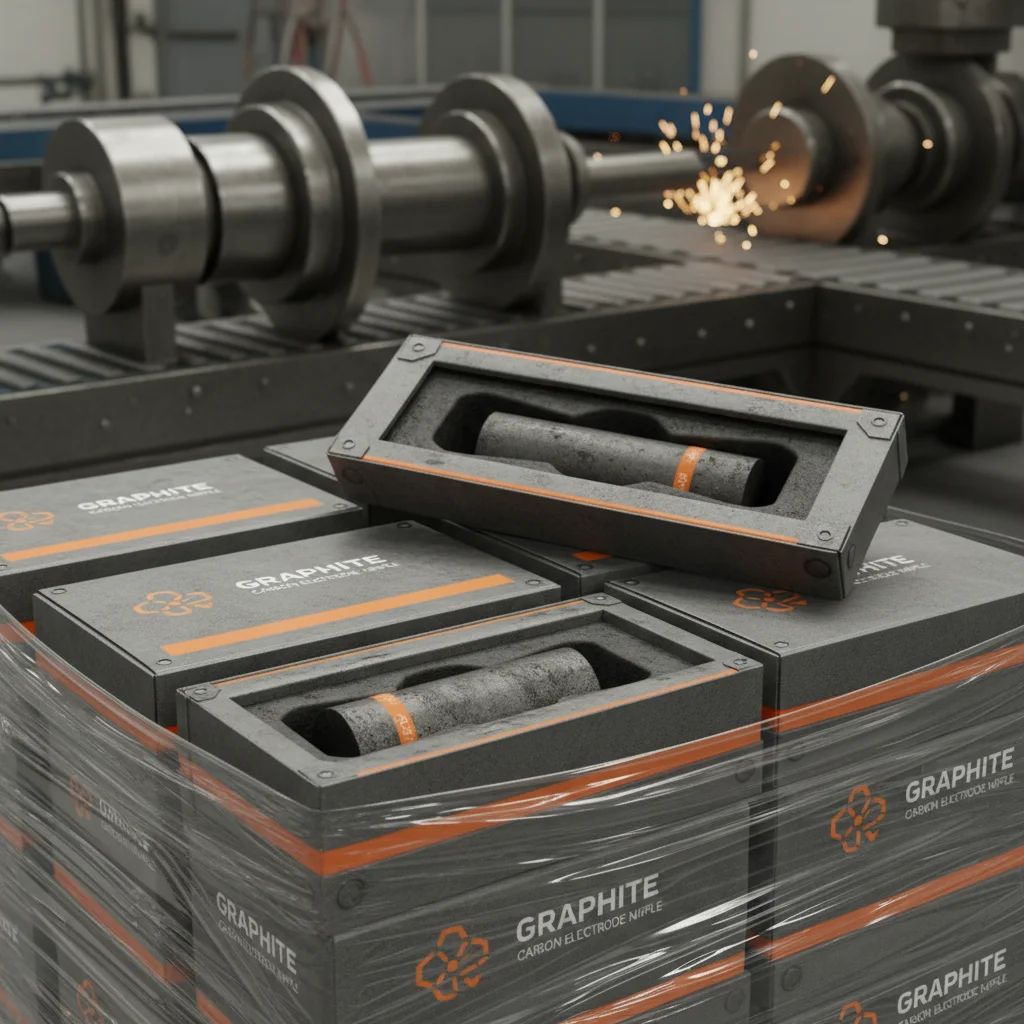
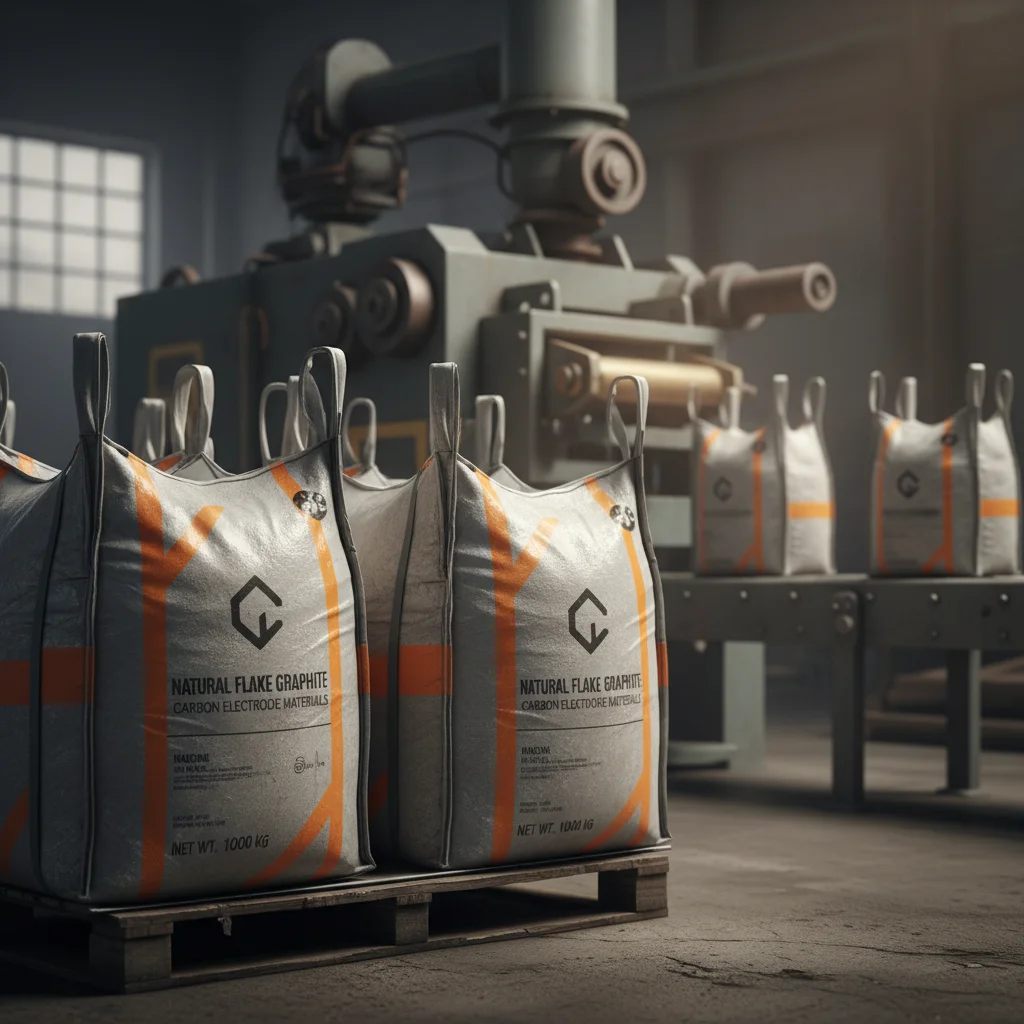
The industrial landscape of modern metallurgy and electronics relies heavily on materials that can withstand extreme temperatures while maintaining high electrical conductivity. Among these, the graphite rod stands out as a critical component, serving as the backbone for everything from high-precision EDM machining to the production of high-purity silicon. Its unique atomic structure allows it to operate where most metals would melt or oxidize, making it indispensable in specialized manufacturing.
Globally, the demand for high-quality carbon-based conductors is surging as the world shifts toward green energy and advanced semiconductor fabrication. The versatility of a graphite rod allows it to be adapted for various grades, depending on whether the application requires maximum density, specific purity levels, or superior thermal shock resistance. Understanding the nuances of these materials is essential for engineers aiming to optimize production efficiency.
By integrating advanced carbonization and graphitization processes, the industry has pushed the boundaries of what these rods can achieve. From the depths of electric arc furnaces to the precision of laboratory heating elements, the graphite rod provides a reliable, sustainable, and high-performance solution that bridges the gap between raw chemical potential and industrial application.

Global Industrial Relevance of Graphite Rods
On a global scale, the production and distribution of the graphite rod are intrinsically linked to the growth of the steel and semiconductor industries. According to industry standards aligned with ISO quality benchmarks, the precision of carbon-based electrodes directly correlates with the energy efficiency of smelting processes. As emerging economies expand their infrastructure, the need for reliable, high-current conducting rods has increased by an estimated 4-6% annually in key industrial hubs.
However, the industry faces a significant challenge: the volatility of raw material purity. Low-grade carbon precursors often lead to premature rod failure or contamination of the final melt. This gap in quality is where high-performance graphite rod manufacturing becomes critical, providing the stability and consistency required for 24/7 industrial operations without unplanned downtime.
Defining the Technical Nature of Graphite Rods
In simple terms, a graphite rod is a cylindrical component made from highly crystalline carbon. Unlike standard charcoal or amorphous carbon, graphite is processed through graphitization—heating carbon to temperatures exceeding 2,500°C—which aligns the atoms into hexagonal layers. This specific molecular arrangement is what gives the rod its exceptional ability to conduct electricity and heat.
Beyond its basic chemistry, the rod serves as a vital interface in modern industry. In Electrical Discharge Machining (EDM), it acts as the tool electrode that erodes metal with extreme precision. In the chemical industry, it functions as a corrosion-resistant heating element. This duality—being both a conductor and a structural material—makes it essential for humanitarian and technological progress, particularly in creating the high-purity silicon used in solar panels.
When we discuss a professional-grade graphite rod, we are referring to a product that balances density, electrical resistivity, and mechanical strength. Depending on the application, these rods can be "fine-grain" for intricate machining or "coarse-grain" for heavy-duty industrial heating, ensuring that every specific industrial need is met with the correct material properties.
Core Components of High-Performance Graphite Rods
The first pillar of a quality graphite rod is its Bulk Density. Density determines how the rod handles electrical current and how slowly it wears down during use. A higher density typically leads to lower electrical resistance, which means less energy is wasted as heat within the rod itself, enhancing the overall efficiency of the machinery.
Equally important is the Thermal Shock Resistance. Because a graphite rod often moves between ambient temperatures and several thousand degrees in seconds, the material must not crack under sudden expansion. This is achieved through a precise control of the grain size and the binding agents used during the molding process.
Finally, Chemical Purity plays a decisive role in high-end applications. For the production of semiconductors or pharmaceuticals, any trace of ash or metallic impurity in the graphite rod can ruin an entire batch of product. Utilizing high-purity petroleum coke and specialized purification gases ensures the rod remains inert and uncontaminated.
Key Factors for Graphite Rod Efficiency
To maximize the lifespan of a graphite rod, operators must balance the trade-off between conductivity and mechanical durability. While an extremely soft rod may conduct well, it will erode too quickly in high-pressure environments. Conversely, an overly hard rod may be prone to brittle fractures. The "sweet spot" is found through calibrated graphitization cycles.
Cost efficiency in the long term isn't about the initial purchase price of the graphite rod, but rather the "cost per hour of operation." High-grade rods reduce the frequency of replacements and decrease the amount of scrap material produced during the manufacturing process, leading to a significantly lower Total Cost of Ownership (TCO).
Comparative Performance Analysis of Graphite Rod Grades
Global Applications and Use Cases
In real-world industrial zones, the graphite rod is a silent workhorse. In the automotive sector, specifically in the production of engine components, graphite rods are used in EDM machines to carve complex geometries into hardened steel that no traditional drill could touch. This allows for the creation of more efficient, lighter, and stronger engine parts.
Beyond heavy machinery, these rods are critical in remote industrial zones where specialized heating is required. For example, in the production of synthetic diamonds or high-temperature ceramics, the graphite rod acts as the primary heating element, providing a stable, uniform temperature distribution that is essential for crystalline growth.
Long-Term Value and Sustainability Benefits
The shift toward a circular economy has highlighted the sustainability of carbon-based materials. A high-quality graphite rod is not only durable but also highly recyclable. Spent rods can often be crushed and repurposed into graphite powder or recarburizers for the steel industry, ensuring that the carbon cycle remains closed and waste is minimized.
From a logical and financial perspective, the reliability of these rods translates to safety. In high-voltage environments, a rod that doesn't fail unexpectedly prevents catastrophic electrical arcs and potential workplace injuries. This reliability builds trust between material suppliers and plant managers, who can then focus on scaling production without worrying about component failure.
Furthermore, the innovation in graphite rod manufacturing reduces the overall carbon footprint of the smelting process. By increasing the electrical efficiency and reducing the energy required to reach melting temperatures, these rods contribute to the global goal of reducing industrial CO2 emissions.
Future Trends and Material Innovations
The future of the graphite rod is being shaped by the integration of nanotechnology. Research is currently focusing on "composite graphite," where carbon nanotubes or graphene are infused into the rod structure to increase tensile strength and electrical conductivity by an order of magnitude. This would allow for even smaller, more powerful electrodes in micro-machining.
Additionally, the rise of green hydrogen production is creating new opportunities. Graphite-based components are being tested for use in high-temperature electrolysis cells, where the graphite rod's resistance to chemical attack and its conductivity make it an ideal candidate for the next generation of clean energy infrastructure.
Automation and AI are also entering the manufacturing process. Real-time monitoring of the graphitization process allows manufacturers to create rods with a "graded" density—meaning the rod is denser in the center and more flexible on the edges—optimizing it for specific stress patterns in industrial use.
Comparative Analysis of Graphite Rod Technical Specifications
| Grade Type | Conductivity Level | Thermal Resistance | Primary Application |
|---|
| Standard Industrial | Medium-High | Moderate | General Smelting |
| Ultra-High Purity | High | Very High | Semiconductor Growth |
| EDM Precision | Very High | High | Die & Mold Making |
| Isostatic Pressed | Uniform | Extreme | Aerospace Heat Shields |
| Carbonized Grade | Medium | Moderate | Basic Heating Elements |
| Composite Graphene | Extreme | High | Next-Gen Electronics |
FAQS
While often used interchangeably, a graphite rod has undergone graphitization (high-heat treatment), resulting in a crystalline structure that offers far superior electrical conductivity and thermal stability compared to a standard carbon rod, which is more amorphous and typically used for basic heating or low-current applications.
The choice depends on your primary goal: if you need long-term wear resistance and high current capacity, choose a high-density rod. If your application requires better thermal shock resistance or easier machining, a medium-density rod is often more appropriate to prevent brittle failure.
Yes, one of the primary advantages of the graphite rod is its exceptional chemical inertness. It resists most acids and alkalis, making it ideal for chemical processing and electrolysis. However, it can oxidize at very high temperatures in the presence of oxygen, so protective coatings are sometimes used.
Cracking is usually caused by extreme thermal shock or mechanical stress. If the temperature gradient across the rod is too steep, the internal expansion can exceed the material's strength. Using rods with optimized grain structures and controlled heating rates can minimize this risk.
Lifespan varies wildly based on the application. In EDM, it depends on the material being cut; in furnaces, it depends on the atmosphere. High-grade rods generally last 20-40% longer than standard grades due to their superior density and purity, reducing the frequency of maintenance shutdowns.
Yes, graphite is a naturally occurring mineral. When manufactured using sustainable petroleum coke and energy-efficient kilns, the environmental impact is minimized. Furthermore, the ability to recycle spent rods into recarburizers makes them a sustainable choice for the metallurgical industry.
Conclusion
In summary, the graphite rod is far more than a simple conductor; it is a precision-engineered tool that enables the modern production of steel, silicon, and high-tech alloys. By balancing critical factors such as bulk density, chemical purity, and thermal shock resistance, industries can significantly enhance their operational efficiency, reduce waste, and ensure a safer working environment.
As we look toward a future of green energy and micro-electronics, the innovation in carbon materials will only accelerate. Investing in high-grade graphite solutions today not only optimizes current production lines but also prepares businesses for the next wave of industrial transformation. For those seeking the highest standards in carbon products, we invite you to explore our comprehensive range. Visit our website: www.dahcarbon.com