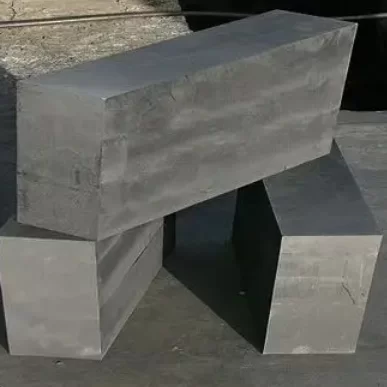
Providing the UK manufacturing sector with essential raw materials, including high-purity graphite and specialized carbon agents to reduce casting costs and improve material stability.


Addressing the critical needs of UK foundries and smelting plants for stable carbon raw materials.
The United Kingdom's industrial landscape remains heavily reliant on precision metallurgy, where the quality of carbon agents directly impacts the structural integrity of automotive parts, boilers, and infrastructure pipes. In these high-stakes environments, the demand for high-purity graphitized petroleum coke is driven by the need for consistent electrical conductivity and low impurity levels to ensure smelting efficiency.
Many UK-based steelmaking and iron casting operations face the dual challenge of rising energy costs and strict emission standards. Transitioning to high-efficiency calcined petroleum coke allows operators to optimize the pre-baked anode process in aluminum electrolysis, reducing waste and enhancing the lifespan of furnace linings. The focus has shifted toward materials that offer superior thermal stability and lower sulfur content.
As the region moves toward more sustainable industrial practices, there is a growing opportunity for the adoption of standardized, high-capacity carbon supplies. By integrating advanced graphite powder and specialized electrodes, UK manufacturers can reduce casting defects and operational downtime, creating a more resilient supply chain for the heavy machinery and aerospace sectors.
From basic carbonization to high-precision engineered graphite products.
Reliance on basic coke products for smelting, with limited control over purity and consistent grain size in industrial furnaces.
Introduction of specialized calcining processes to remove volatiles, improving the density and conductivity of petroleum coke.
Utilization of ultra-high temperature processing to create graphite blocks with superior thermal shock resistance.
Analyzing the shifts in manufacturing and application of graphite materials.
Moving toward customized carbon grain sizes to perfectly match the specific melting point and viscosity requirements of various alloys.
Utilizing high-efficiency recarburizers to lower the overall casting cost while maintaining the structural properties of the final metal product.
Increasing use of artificial graphite in high-temperature environments beyond steel, including specialized chemical and aerospace components.
Implementation of strict laboratory inspection systems to guarantee consistent purity and electrical properties across every batch.
The broader industrial vision points toward a more integrated carbon supply chain where material properties are precisely aligned with the specific energy profile of the furnace. This alignment reduces oxidation and maximizes the ROI for heavy industry operators.
For companies in the United Kingdom, partnering with experienced producers who maintain an annual capacity of 60,000 tons ensures a stable flow of materials, mitigating the risks associated with global supply disruptions.
Where our graphite and carbon products deliver maximum value in real-world operations.
Supplying calcined petroleum coke for the production of pre-baked anodes. This ensures low electrical resistance and higher current efficiency in the electrolysis process, crucial for energy-intensive UK aluminum production.
Using graphitized petroleum coke as a recarburizer for producing high-quality auto parts and pipes. This prevents carbon loss during melting and ensures the precise graphite distribution required for mechanical strength.
Implementing UHP and HP electrodes to maintain stable arcs and high power density. These products are essential for reducing the energy required to melt scrap steel in modern UK mini-mills.
Applying specialized carbon agents in the production of heavy-duty boilers. Ensuring the carbon content is perfectly controlled prevents porosity and enhances the heat-resistant properties of the casting.
Integrating high-purity graphite powder into industrial lubricants and coatings for heavy machinery, providing essential wear resistance and thermal conductivity for UK engineering workshops.
Ding An Heng New Material Technology Co., Ltd.'s global development journey
Established as a dedicated graphite production enterprise, focusing on quality carbon raw materials for the domestic Chinese market.
Expanded capabilities to include two full production lines with an annual comprehensive capacity of 60,000 tons.
Successfully exported high-quality graphite electrodes and recarburizers to Southeast Asia, the Middle East, Europe, and Africa.
Established a rigorous laboratory and inspection system that strictly follows international quality control standards.
Became a trusted global partner for the aluminum and steel industries, providing critical raw materials for pre-baked anodes.
Continuing to drive industrial progress through innovation-driven development and standardized management practices.
Explore our full range of industrial carbon products designed for the demanding environments of the UK's manufacturing and metallurgy sectors.
Expert answers to common technical and commercial questions regarding graphite materials.
Leverage over 20 years of production experience and a 60,000-ton annual capacity to optimize your smelting and casting operations in the United Kingdom. Contact us for a tailored technical consultation.
Request Technical Quote