

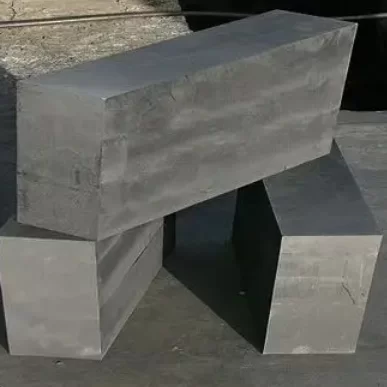
Specialized recarburizers and electrodes designed for the aluminum, steel, and iron casting industries.

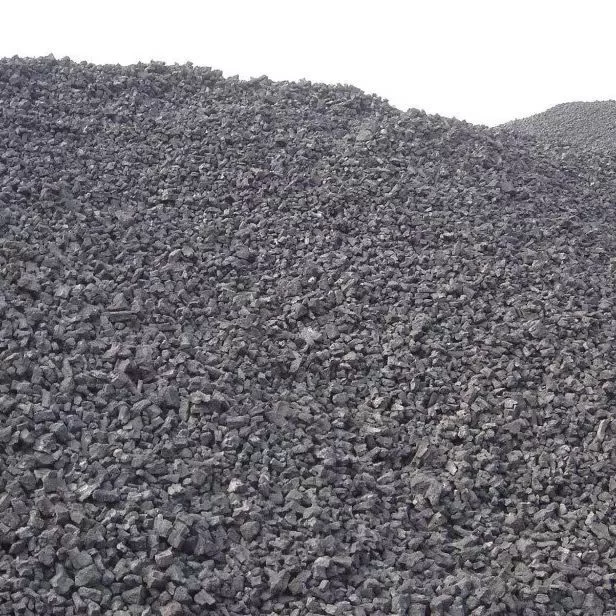

Evaluating the intersection of regional industrial needs and high-grade carbon material specifications.
Uzbekistan's industrial landscape is characterized by a strong focus on metallurgy and mineral processing. The regional infrastructure requires materials that can withstand intense thermal stress, making the procurement of high-density arc furnace electrodes a priority for local smelting operations seeking to improve energy efficiency.
Local foundry operators, particularly those producing auto parts and pipes, face the challenge of maintaining consistent carbon levels in ductile iron. The adoption of graphitized petroleum coke is becoming more prevalent as a method to ensure precise carburization and reduce waste during the casting process.
Procurement in the Uzbekistan market often emphasizes a balance between material purity and supply chain stability. As the region expands its aluminum electrolysis capacity, there is an increasing need for stable supplies of calcined petroleum coke to support the production of high-quality pre-baked anodes.
From basic carburization to advanced graphite engineering.
Strategic shifts impacting the production and use of graphite products.
Increasing demand for graphite powder with ultra-low sulfur and ash content to improve alloy quality.
Utilizing high-efficiency recarburizers to lower the cost of carbon addition in steelmaking.
Tailoring the particle size and carbon activity of GPC and CPC to specific furnace requirements.
Improving the efficiency of bulk carbon transport to landlocked regions like Uzbekistan.
Over the next 3-5 years, the metallurgical sector in Uzbekistan is expected to move toward more automated smelting processes. This transition will require graphite products that offer higher consistency and lower volatility to ensure stable electric arc operations.
From a procurement perspective, buyers will likely shift from spot-market purchasing to strategic partnerships. The focus will be on suppliers who can provide integrated quality inspection reports and stable volumes of high-grade carbon materials.
How our carbon materials solve specific challenges in diverse manufacturing environments.
Using high-purity calcined petroleum coke for the production of pre-baked anodes, ensuring low electrical resistance and high current efficiency in electrolysis cells.
Integrating graphitized petroleum coke into the steelmaking process as a high-efficiency carburizing agent to achieve precise carbon levels while reducing slag formation.
Implementing graphite powder and CPC in foundries producing automotive components and industrial pipes to ensure uniform graphite distribution and structural integrity.
Deploying UHP graphite electrodes to maintain stable arcs and high power input in the production of specialty alloys and recycled steel.
Utilizing precision-cut graphite blocks for the construction of furnace linings and heating elements where superior thermal shock resistance is required.
Over two decades of excellence in graphite and carbon material production.
Established as a large-scale graphite production enterprise in China, building over 20 years of specialized experience in the carbon sector.
Developed two full production lines with an annual comprehensive capacity of 60,000 tons, offering a diverse portfolio including UHP/HP/RP electrodes and various recarburizers.
Expanded exports to Southeast Asia, the Middle East, Europe, and Africa, establishing a reputation for quality and reliable after-sales service.
High-performance materials tailored for aluminum electrolysis, iron casting, and steel production.
Addressing common procurement and technical questions for the Uzbekistan market.
The choice depends on the required carbon absorption rate. Calcined petroleum coke (CPC) is ideal for pre-baked anodes in aluminum smelting, while graphitized petroleum coke (GPC) is preferred for iron casting and steelmaking due to its higher graphite content and faster dissolution rate.
Lifespan is primarily affected by material density, electrical conductivity, and resistance to oxidation. Using UHP (Ultra-High Power) electrodes minimizes consumption rates by providing superior mechanical strength and thermal stability under extreme loads.
Yes, high-purity graphite powder serves as an effective inoculant and carbon source, helping to achieve a uniform nodular structure in ductile iron, which improves the tensile strength and durability of the finished pipes.
All products undergo a strict laboratory inspection system that monitors sulfur levels, ash content, and fixed carbon percentages. This ensures that every shipment meets the specific industrial standards required by metallurgical plants in Uzbekistan.
High-grade recarburizers have higher carbon recovery rates, meaning less material is lost to the slag. This reduces the amount of additive needed and shortens the furnace cycle time, leading to lower energy costs and higher productivity.
Yes, we leverage our 20 years of production experience to offer customized dimensions and specifications for graphite blocks, ensuring a precise fit for various industrial furnace architectures and thermal requirements.
Discuss your technical requirements for high-performance carbon and graphite materials with our engineering team to find the ideal solution for your smelting or casting project.
Contact Us Now


