


Engineered for the most demanding environments in the aluminum, iron casting, and steelmaking industries across the Middle East.
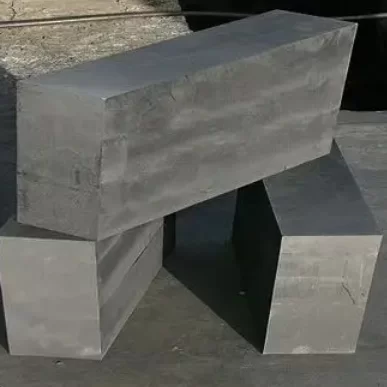


Analyzing the critical role of high-purity carbon agents in Kuwait's heavy industrial sector.
Kuwait's industrial landscape is heavily characterized by its strategic focus on petrochemicals and metallurgy. For the local steel and iron casting plants, the procurement of stable, high-quality recarburizers is essential to maintain precise carbon control during smelting. The extreme ambient temperatures of the region demand materials with high thermal stability, making graphitized petroleum coke a preferred choice for its superior conductivity and resistance to thermal shock.
One of the primary challenges faced by Kuwaiti manufacturers is the reliance on international supply chains for specialized graphite materials. Maintaining a consistent supply of calcined petroleum coke is vital for aluminum electrolysis and anode production, where any fluctuation in purity can lead to increased energy consumption and reduced product quality. Local firms are increasingly seeking partners who can provide rigorous quality control and laboratory-verified specifications to ensure operational continuity.
As Kuwait diversifies its economy, there is a growing shift toward optimizing production costs through material efficiency. The adoption of high-density graphite blocks and optimized carburizing agents allows local foundries to reduce casting waste and lower overall energy costs. By integrating high-grade carbon materials from experienced global producers, Kuwaiti industries are enhancing their competitiveness in both regional and international markets.
From basic carburization to high-precision graphite engineering.
Industries relied on basic carbon additives with wide purity ranges, focusing primarily on volume rather than precise chemical composition.
Introduction of calcined and graphitized products allowed for better control over electrical conductivity and oxidation resistance in furnaces.
Shift toward ultra-high purity carbon and specialized graphite shapes to meet the demands of advanced aerospace and energy sectors.
How innovation in graphite production is reshaping global industrial standards.
Improving the crystalline structure of petroleum coke to enhance electrical conductivity, essential for high-efficiency arc furnaces.
Developing recarburizers that provide faster dissolution and higher carbon recovery, directly reducing casting costs for foundries.
Using high-pressure molding techniques for graphite blocks to ensure zero-defect structural integrity under extreme mechanical stress.
Implementing laboratory inspection systems that align with global ISO standards to guarantee chemical consistency across batches.
The future of the carbon industry lies in the transition toward "intelligent materials"—carbon products that are tailored to specific metallurgical reactions. By manipulating the microstructure of graphite, manufacturers can now provide solutions that specifically target the reduction of impurity levels in steel and aluminum.
Moreover, the global shift toward sustainable manufacturing is pushing for the development of carbon agents that produce fewer emissions during the smelting process. This evolution is creating significant opportunities for suppliers who can balance high purity with environmentally conscious production methods.
Integrating high-grade graphite materials into critical production environments.
Utilizing calcined petroleum coke for the production of pre-baked anodes. In Kuwait's aluminum sector, high-purity carbon is essential to reduce electrical resistance and optimize power consumption during electrolysis.
Application of arc furnace electrodes in electric arc furnaces (EAF). These provide the necessary electrical path and heat for melting scrap steel with high stability and low electrode consumption.
Using graphitized petroleum coke as a recarburizer for grey and ductile iron production. This ensures a uniform carbon distribution, critical for the structural integrity of water and oil pipelines.
Precision casting of engine blocks and auto parts using specialized carbon agents. High-consistency recarburizers prevent defects in complex molds, ensuring safety and durability for the local automotive supply chain.
Implementation of carbon-based heat-resistant components in boiler production. Graphite blocks are used for their exceptional thermal conductivity and resistance to corrosive environments found in industrial heating.
Ding An Heng New Material Technology Co., Ltd.'s global development journey
Established as a dedicated producer of graphite and carbon products in China, focusing on fundamental manufacturing excellence.
Scaled production capabilities to serve the entire Chinese market, establishing a reputation for reliability in the steel and aluminum sectors.
Successfully expanded operations to Southeast Asia, Europe, Africa, and the Middle East, including strategic supply to Kuwait.
Launched two full production lines with an annual comprehensive capacity of 60,000 tons to meet global demand.
Implemented a comprehensive laboratory and inspection system to strictly follow international quality control standards.
Ding An Heng New Material Technology Co., Ltd. stands as a trusted partner for aluminum electrolysis and steelmaking worldwide.
Explore our full spectrum of carbon additives and graphite components designed for maximum industrial ROI.
Expert answers to common questions regarding industrial carbon specifications and delivery in Kuwait.
Leverage 20 years of graphite manufacturing expertise to enhance your production efficiency. We provide high-purity, lab-verified carbon solutions tailored for Kuwait's metallurgical needs.
Request Technical Quotation


