


Market Analysis
Cambodia's Industrial Carbon Landscape
Understanding the intersection of regional infrastructure and graphite material requirements.
The industrial sector in Cambodia is increasingly diversifying, with a growing focus on metal processing, automotive components, and construction materials. In these sectors, the demand for high-quality recarburizers and graphite products is tied directly to the expansion of local foundries and smelting plants. Currently, the market relies heavily on imported carbon materials, where the priority is shifting from simple procurement to ensuring the chemical stability and physical properties of the carbon sources to meet international quality standards for finished exports.
Current trends indicate a move toward higher efficiency in energy consumption. For aluminum producers, this means a transition toward graphitized petroleum coke and optimized calcined materials to reduce voltage drops and anode consumption. Simultaneously, the steel industry is adopting more precise carbon addition techniques to lower casting costs and improve the tensile strength of ductile iron. This evolution is driven by the need for local manufacturers to compete globally by reducing waste and enhancing the precision of their metallurgical processes.
Despite the growth, challenges remain in the form of logistical dependencies and the need for consistent technical support. The opportunity lies in establishing direct partnerships with large-scale producers who can provide not just the material, but also the laboratory validation required for high-precision casting. As Cambodia enhances its industrial infrastructure, the transition toward standardized, high-capacity carbon supply chains will be the primary driver for reducing operational costs and improving the overall competitiveness of the regional manufacturing base.
Industry Journey
The Evolution of Carbon Material Application
Tracing the path from basic carbon use to advanced graphite engineering.
Early Phase
Basic Carbon Use
Industry relied on raw coke and basic additives with high impurity levels, leading to inconsistent casting quality and high waste in early foundries.
Adoption Phase
Material Standardization
Introduction of calcined petroleum coke and specialized electrodes to stabilize the smelting process and increase the lifespan of furnace components.
Current Phase
High-Precision Graphite
Shift toward UHP electrodes and highly graphitized materials to achieve maximum electrical conductivity and structural integrity in advanced metallurgy.
From Volume to Value
The industry has moved away from purchasing the cheapest available carbon toward selecting materials based on specific chemical properties, such as low sulfur and precise carbon content, to ensure the longevity of high-value equipment.
Energy-Centric Selection
Material selection is now driven by the goal of reducing electricity costs. Higher graphitization levels in petroleum coke directly correlate to lower resistivity, allowing aluminum plants to operate more efficiently.
Integration of Lab Data
The modern approach involves integrating supplier laboratory reports into the plant's operational planning, allowing for real-time adjustments to furnace temperatures and feed rates based on material batch data.
Future Outlook
Emerging Directions in Carbon Material Technology
How technological shifts are redefining the requirements for graphite and carbon products.
Enhanced Graphitization Levels
Increasing demand for materials with higher carbon crystallization to maximize conductivity and reduce oxidative loss in high-temperature environments.
Low-Emission Carbon Processing
A shift toward processing methods that reduce the environmental footprint of calcination, aligning with global sustainability goals for the metal industry.
Custom Grain Structuring
Tailoring the physical grain size of graphite blocks and powders to match specific mold requirements and thermal expansion coefficients.
Hybrid Recarburizer Blends
The development of mixed carbon agents that combine different grades of coke to optimize the cost-to-performance ratio in grey iron foundries.
The trajectory of the carbon industry is moving toward absolute transparency. Buyers are no longer satisfied with general product grades; they require detailed analysis of volatile matter, fixed carbon, and sulfur content. This shift is largely driven by the adoption of automated furnace control systems that can adjust process parameters based on the exact chemical composition of the incoming graphitized petroleum coke, thereby eliminating the guesswork from the smelting process.
Furthermore, the integration of carbon materials into more specialized applications, such as high-precision automotive boiler components, is requiring a higher grade of purity in graphite powder. The impact is a consolidated supply chain where only producers with integrated laboratory systems and consistent production lines can meet the stringent requirements of modern high-tech foundries. This trend is particularly evident in Southeast Asian markets where the drive for "zero-defect" manufacturing is accelerating.
Application Context
Practical Applications in Cambodian Industry
Real-world implementation of carbon materials across diverse industrial environments.
01
Aluminum Smelting Plants - Anode Production
In high-temperature electrolysis cells, operators utilize calcined petroleum coke to build pre-baked anodes. In the humid tropical climate of Cambodia, maintaining material dryness and purity is critical. By using high-density CPC, plants reduce the rate of anode consumption and minimize the frequency of cell disruptions, leading to a more stable aluminum output.
02
Automotive Parts Foundries - Ductile Iron Casting
Foundries producing engine components and chassis parts require precise carbon levels to ensure the material properties of ductile iron. The application of high-purity graphitized petroleum coke as a recarburizer allows these facilities to achieve a uniform graphite nodule count, which is essential for the structural integrity of safety-critical auto parts.
03
Steel Manufacturing - Electric Arc Furnaces (EAF)
Steel mills utilize UHP graphite electrodes to conduct the massive currents required to melt scrap steel. Given the intense thermal stress of EAF operations, the use of high-strength electrodes prevents premature breakage. This ensures a continuous melting cycle and reduces the time spent on electrode replacement, significantly lowering the cost per heat.
04
Industrial Boiler Production - Casting Molds
In the production of heavy-duty boiler shells, graphite powder is used as a mold release agent and lubricant. This prevents the molten metal from sticking to the mold surface and ensures a smooth finish on the interior of the boiler. The use of refined graphite powder reduces the need for extensive post-cast grinding and polishing.
05
Infrastructure Pipe Casting - Grey Iron Pipes
For the production of large-diameter water and sewage pipes, stable carbon addition is required to maintain the fluidity of the iron. By employing a consistent grade of CAC and GPC, manufacturers avoid "cold shuts" and other casting defects, ensuring that the pipes meet the pressure-bearing specifications required for urban infrastructure.
Industry Perspectives
Representative Use Case Scenarios
How different industrial operators typically benefit from high-grade carbon material integration.
In aluminum smelting, the transition to high-purity calcined petroleum coke often results in a measurable reduction in anode consumption. By stabilizing the chemical composition of the anode, operators can extend the life of the cell and reduce the overall energy cost per ton of aluminum produced.
For ductile iron foundries, the primary challenge is avoiding carbon drift. Utilizing a standardized graphitized petroleum coke recarburizer ensures that each batch of molten iron has the exact carbon percentage required, eliminating the need for costly re-melting of off-spec castings.
Operating an electric arc furnace requires electrodes that can withstand extreme thermal cycles. Switching to UHP graphite electrodes typically reduces the frequency of electrode breakages, which directly minimizes unplanned downtime and maximizes the daily tonnage of the furnace.
Our Legacy
Ding An Heng New Material Technology
Two decades of dedication to the science of graphite and carbon production.
20+ Years
Production Excellence
Established as a large-scale graphite production enterprise in China, Ding An Heng has spent over two decades refining the manufacturing of Graphite Electrodes, GPC, and CPC to serve the global metallurgy market.
Capacity Growth
Scaling Global Supply
Expanded operations to include two full production lines with an annual capacity of 60,000 tons, enabling the company to become a trusted partner for aluminum and steel industries worldwide.
Quality Milestone
Advanced Inspection Systems
Implemented a rigorous laboratory and inspection system that strictly follows quality control protocols, ensuring that every shipment meets the high standards required by international clients.

Flake Cast Iron & Extruded 1g3 Graphite Parts | Wholesale

Premium HP Graphite Electrodes China Factory and Leading Industrial Suppliers
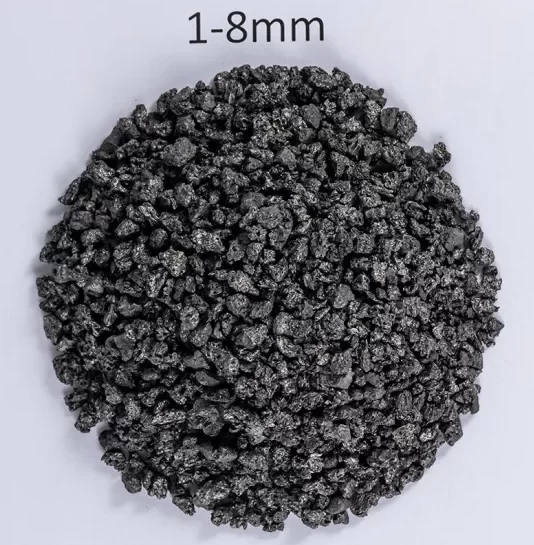
Calcined Petroleum Coke

Premium Metallurgical Coke Suppliers in China High CSR Met Coke Factory
Technical Support
Common Questions on Carbon Materials
Expert answers to help you select the right graphite products for your specific industrial application.
What is the difference between calcined petroleum coke (CPC) and graphitized petroleum coke (GPC)?
CPC is produced by heating petroleum coke to remove volatile components, making it ideal for pre-baked anodes in aluminum smelting. GPC undergoes an additional graphitization process at much higher temperatures, which significantly increases its electrical conductivity and carbon purity. While CPC provides the structural base for anodes, GPC is primarily used as a high-efficiency recarburizer in steel and iron casting to ensure rapid and uniform carbon absorption.
How do I choose the correct grade of arc furnace electrodes for my facility?
The selection depends on your furnace power, electrode diameter, and the type of material being melted. Ultra-High Power (UHP) electrodes are best for large-scale, high-current operations where maximum conductivity and strength are required. High Power (HP) and Regular Power (RP) electrodes are suitable for smaller furnaces or specific melting cycles. We recommend evaluating your current amperage and thermal stress levels before selection to avoid premature breakage.
Can these carbon materials be shipped reliably to industrial sites in Cambodia?
Yes, we have extensive experience exporting to Southeast Asia. We utilize industry-standard moisture-proof packaging and secure logistics to ensure that materials like graphite powder and petroleum coke arrive without contamination or degradation. We work with logistics partners familiar with Cambodian ports and inland transport to ensure that delivery schedules align with your production requirements.
What impact does the purity of graphite powder have on mold release and surface finish?
High-purity graphite powder reduces the presence of abrasive impurities that can scratch mold surfaces or contaminate the casting. Superior purity ensures a more uniform lubricant film, which facilitates easier part removal and results in a smoother surface finish. This is particularly critical for high-precision automotive parts where post-cast machining must be minimized to reduce costs.
How does using GPC as a recarburizer reduce overall casting costs?
GPC reduces costs by increasing the efficiency of carbon recovery. Because it is highly graphitized, it dissolves more quickly and uniformly into the molten metal compared to raw coke. This reduces the amount of material needed to reach the target carbon percentage, shortens the refining time in the furnace, and drastically reduces the number of rejected castings due to carbon inconsistencies.
What technical documentation is provided with each shipment of carbon materials?
Every shipment is accompanied by a detailed Certificate of Analysis (COA) from our laboratory. This document specifies the key technical indicators, including fixed carbon percentage, sulfur content, ash content, and volatility. For electrodes, we provide specifications regarding bulk density and electrical resistivity, allowing your engineers to calibrate furnace settings for optimal performance.
Ready to Optimize
Secure Your High-Performance Carbon Supply Chain in Cambodia
Whether you are managing an aluminum smelter or a precision foundry in Cambodia, having a reliable source of high-purity graphite products is essential for operational stability. Our team is ready to provide technical consultations and material samples to help you reduce waste and improve your industrial yield. Contact us today to discuss your specific requirements and receive a tailored supply plan.
Discuss Your Requirements


