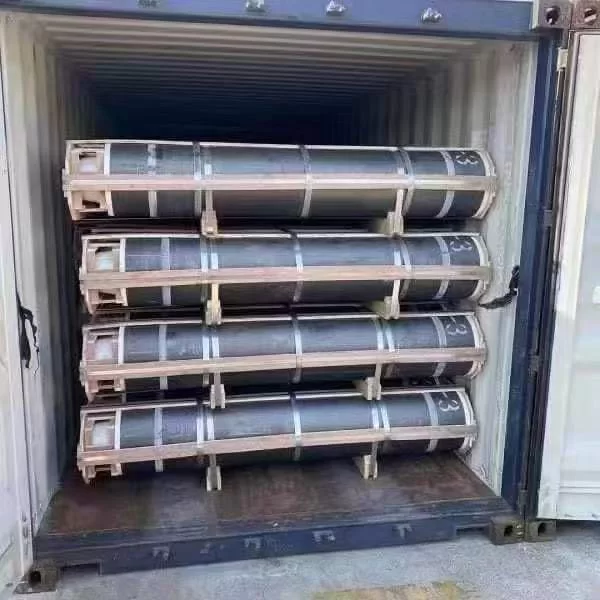
HighPerformance Carbon and Graphite Solutions for Nigerias Industrial Sector

HighPerformance Carbon and Graphite Solutions for Nigerias Industrial Sector

High-Performance Carbon and Graphite Solutions for Nigeria's Industrial Sector

Supplying premium calcined petroleum coke and industrial electrodes to drive efficiency in Nigerian steelmaking, aluminum smelting, and foundry operations.

Integrated Carbon Raw Material Solutions for Nigerian Heavy Industry

Specialized provision of high-purity recarburizers and graphite components designed to optimize thermal efficiency and structural integrity for West African industrial plants.

Analysis of the Industrial Carbon Market in Nigeria

Evaluating the demand for high-grade graphite and petroleum coke in the regional manufacturing landscape.

The Nigerian industrial sector is currently characterized by a growing demand for infrastructure development and localized steel production. As the nation seeks to reduce its reliance on imported finished steel, there is an increasing need for consistent, high-quality inputs like graphitized petroleum coke to ensure the stability of electric arc furnace (EAF) operations.

One of the primary challenges faced by local foundries and smelting plants is the variability in raw material purity, which often leads to increased slag formation and higher energy consumption. By integrating standardized arc furnace electrodes and precise recarburizing agents, operators can significantly reduce casting defects and improve the lifecycle of their equipment.

Consequently, Nigerian procurement managers are shifting their focus toward global suppliers who can provide a stable supply chain of carbon materials. The priority has moved from simple cost-reduction to a total-cost-of-ownership model, where material purity and consistency are viewed as the primary drivers of operational ROI.
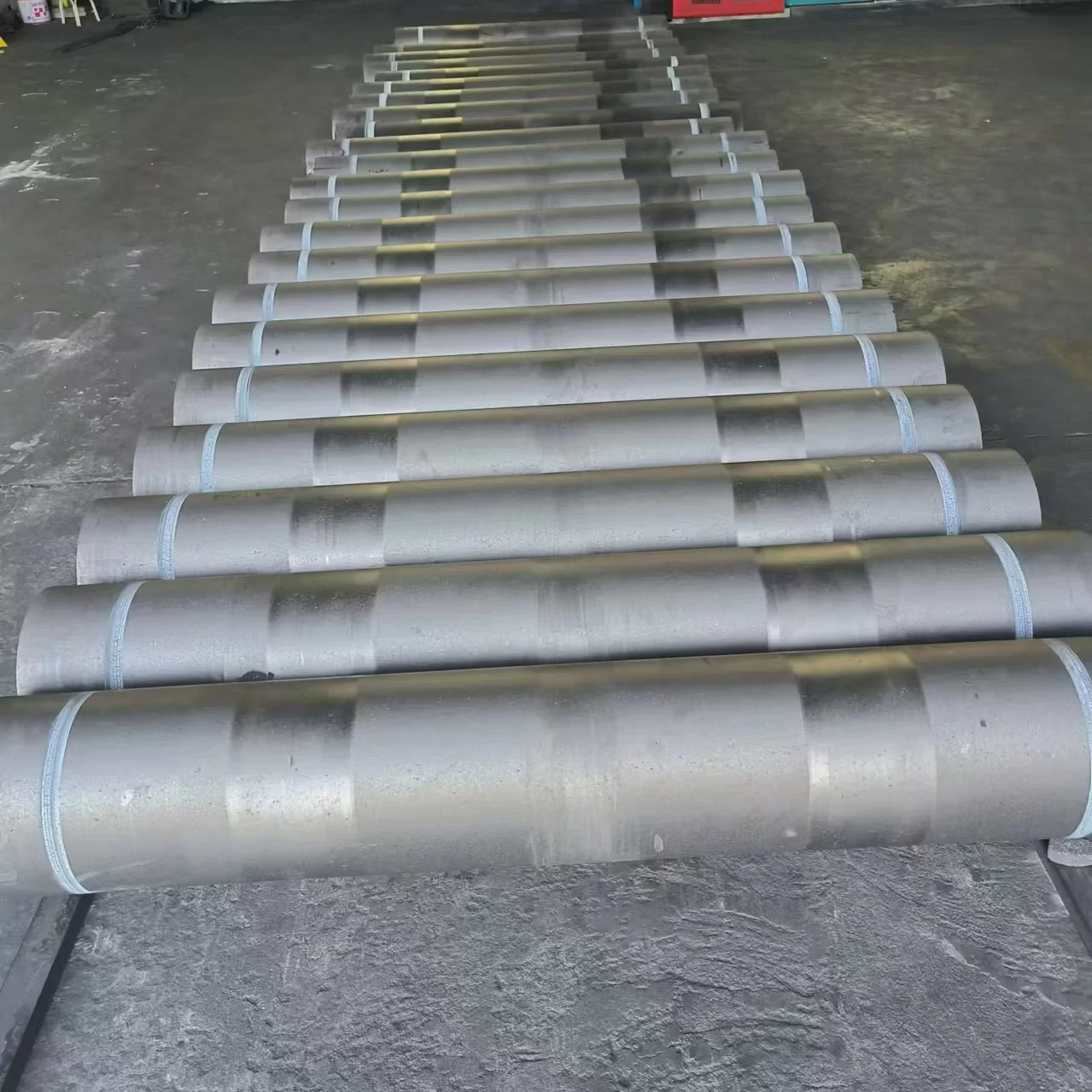
Evolution of Carbon Material Adoption in West Africa

Tracing the trajectory from basic carbon additives to precision-engineered graphite products.

Industrial Development Timeline

Early Industrialization Phase
Initial reliance on low-grade local carbon sources and basic additives, resulting in inconsistent metallurgical properties and limited production capacities in early Nigerian foundries.

Standardization and Import Shift
The transition toward imported calcined petroleum coke and standardized electrodes to meet international quality benchmarks for automotive and construction steel.

Modern Precision Era
Current adoption of high-purity graphite powder and specialized graphite blocks to support advanced electrolysis and precision casting processes.

Future Industrial Directions

1. Energy Efficiency Optimization

Implementation of ultra-high-performance graphite materials to reduce electrical resistance in smelting, directly lowering energy costs per ton of output.

2. Diversification of Metallurgy

Expanding the use of specialized recarburizers for ductile iron and alloy steel production to support a more diverse domestic manufacturing base.

3. Sustainable Sourcing Models

A shift toward long-term strategic partnerships with manufacturers to ensure a steady flow of carbon materials, mitigating the risks of global logistics volatility.

Global Trends Shaping Nigeria's Carbon Industry

Integrating international technological advancements into the local industrial framework.

⚡
Thermal Conductivity
Adoption of materials with superior heat transfer to optimize furnace performance.
🤖
Process Automation
Integrating precision-grade graphite components into automated casting lines.
💳
Cost Efficiency
Using high-purity recarburizers to reduce waste and overall production costs.
🌱
Material Purity
Stricter adherence to chemical composition standards to ensure product longevity.

Industrial Outlook

The trajectory for the Nigerian market indicates a steady transition toward high-specification carbon products. As the industrial base matures, the demand for graphite blocks and specialized electrodes will likely increase, driven by the expansion of the aluminum and iron industries.

For local operators, the key to competitiveness lies in upgrading raw material quality. Transitioning from generic carbon sources to precision-engineered graphite products will enable Nigerian manufacturers to meet global export standards.

Industrial Application Scenarios in Nigeria

Real-world implementation of carbon and graphite materials across diverse sectors.

01

Steel Plant EAF Operations

Utilization of high-density arc furnace electrodes to maintain stable electrical arcs in electric arc furnaces, reducing downtime and enhancing melt efficiency for structural steel production.

02

Aluminum Smelting Anodes

Application of calcined petroleum coke as a critical raw material for pre-baked anodes, ensuring high conductivity and low impurity levels during aluminum electrolysis.

03

Grey and Ductile Iron Foundries

Using graphitized petroleum coke for the production of auto parts and boiler components, ensuring precise carbon control and superior mechanical properties in the casting.

04

High-Temperature Lubrication

Integration of ultra-fine graphite powder in industrial machinery operating under extreme heat, providing essential lubrication and wear resistance in harsh environments.

05

Specialized Crucible Manufacturing

Employing high-purity graphite blocks for the fabrication of industrial crucibles, allowing for precise temperature control during the melting of precious and non-ferrous metals.

Ding An Heng New Material Technology: A Legacy of Excellence

Over two decades of specialization in graphite and carbon material production for global industries.

Foundational Expertise

Established with over 20 years of production experience, focusing on the mastery of carbon material synthesis and graphite processing.

Capacity Expansion

Developed two full production lines with an annual comprehensive capacity of 60,000 tons to serve large-scale industrial demands.

Quality System Integration

Implementation of a rigorous laboratory and inspection system to ensure all graphite and coke products meet international quality control standards.

Global Market Outreach

Expanded distribution networks across Southeast Asia, the Middle East, Europe, and Africa, building a reputation for reliability and performance.

Industrial Partnership Focus

Positioned as a trusted partner for the aluminum, iron casting, and steelmaking sectors, driving progress through material innovation.

Comprehensive Carbon & Graphite Product Portfolio

From raw recarburizers to finished graphite components, providing a one-stop supply chain for Nigeria's heavy industry.

Industrial Carbon Materials FAQ

Technical insights and procurement guidance for carbon materials in the Nigerian market.

What is the difference between calcined and graphitized petroleum coke?

Calcined petroleum coke (CPC) is treated at high temperatures to remove volatiles, making it ideal for aluminum anodes. Graphitized petroleum coke (GPC) undergoes an additional high-temperature process to increase carbon crystallinity, providing superior conductivity and is primarily used as a high-efficiency recarburizer in steel and iron foundries.

How does high-purity graphite powder improve industrial casting?

High-purity graphite powder ensures a more uniform carbon distribution and reduces the presence of impurities that can cause porosities or structural weaknesses in the final cast product, leading to higher yield rates and better mechanical properties.

Which graphite electrodes are best for electric arc furnaces (EAF)?

Which graphite electrodes are best for electric arc furnaces (EAF)?

The choice depends on the power requirements; Ultra-High Power (UHP) electrodes are best for large-scale industrial furnaces to maximize melt rates, while HP and RP electrodes are suitable for smaller operations. High current-carrying capacity and low consumption rates are key indicators of quality.

Can these materials help reduce production costs in Nigerian foundries?

Yes, by using stable and high-purity recarburizers, foundries can reduce the amount of material wasted during the melting process and lower energy consumption, which directly reduces the cost per ton of finished product.

What quality standards should I look for in carbon material suppliers?

Look for suppliers with established laboratory inspection systems and long-term experience in the field. Consistency in chemical composition, sulfur and ash content, and a proven track record of supplying to the aluminum or steel industries are essential.

How can I request a customized specification for my project in Nigeria?

You can contact our technical team through our official contact page. Provide your specific application details, such as furnace type and desired carbon content, to receive a tailored product recommendation and quote.

Optimize Your Industrial Production in Nigeria

Discuss your specific carbon and graphite requirements with our experts to improve your operational efficiency and material performance across Nigeria.

Request a Quote

If you are interested in our products, you can choose to leave your information here, and we will be in touch with you shortly.

  • captcha