


Regional Analysis
The Graphite and Carbon Landscape in Kenya
Understanding the intersection of raw material demand and industrial expansion in East Africa.
Kenya serves as a strategic industrial hub for East Africa, with a growing emphasis on construction and metal fabrication. The local manufacturing sector relies heavily on the import of specialized carbon materials, as domestic production of high-purity graphitized petroleum coke is limited. The presence of iron foundries in urban industrial zones creates a steady demand for recarburizers to produce the ductile iron needed for municipal water infrastructure and automotive components. This creates a market environment where stability of supply and chemical purity are the primary drivers of procurement decisions.
Current market trends show a shift toward higher-efficiency smelting technologies. Kenyan steel producers are increasingly adopting electric arc furnace (EAF) processes to reduce reliance on traditional coke-based blast furnaces. This transition has spiked the demand for arc furnace electrodes with higher conductivity and lower consumption rates. Furthermore, there is a growing awareness of "lean production," where operators seek carbon materials with precise particle size distributions to reduce waste and improve casting yields in grey and ductile iron foundries.
Despite the growth, the market faces constraints related to logistics costs and the volatility of global commodity pricing. The opportunity lies in establishing direct partnerships with large-scale producers who can guarantee consistent technical specifications. As Kenya continues to upgrade its industrial infrastructure, the demand for specialized graphite products—particularly those used in aluminum electrolysis and high-temperature furnaces—is expected to expand. Operators who prioritize materials with proven purity and stability will gain a significant competitive edge in production cost and product quality.
Industry Progress
The Evolution of Industrial Carbon Applications
From basic carbon additives to precision-engineered graphite solutions.
Early Adoption
Basic Recarburization
Industries used raw coal or low-grade coke as carbon sources. This resulted in high impurity levels and inconsistent metal quality in early casting processes.
Recent Development
Standardized Coke
The adoption of calcined petroleum coke provided better purity. Operators began focusing on sulfur control to improve the mechanical properties of iron and steel.
Current Phase
Precision Graphite
Modern focus on graphitized petroleum coke and UHP electrodes. Integration of strict laboratory testing ensures materials meet exact electrical and thermal needs.
Transition to Ultra-High Purity (UHP)
The industry is moving away from regular graphite toward UHP materials. This shift is driven by the need for higher current density in electric furnaces, reducing electrode breakage and increasing the speed of smelting operations.
Carbon Footprint Optimization
Operators are optimizing the dosage of recarburizers to reduce carbon waste. By using finely ground graphite powder, foundries can achieve target carbon levels more efficiently, reducing energy consumption per ton.
Diversification of Carbon Feedstock
There is an increasing trend toward blending different carbon sources, such as combining calcined anthracite with petroleum coke, to balance cost-effectiveness with the required purity levels for specific casting grades.
Future Outlook
Global Trends Shaping Carbon Materials
The intersection of energy efficiency and material science is redefining industrial standards.
Energy-Efficient Smelting
The move toward lower electrical resistance materials. High-density graphite products reduce the voltage drop in furnaces, directly lowering the kWh per ton of produced metal.
Stringent Impurity Standards
Global demand for "ultra-low sulfur" carbon is rising. This is essential for high-strength steel and precision aluminum components, where sulfur can lead to catastrophic failure.
Automation in Dosing
The integration of automated carbon feeding systems requires graphite powder with highly consistent flowability and particle size to prevent clogging and dosage errors.
Sustainable Carbon Sourcing
Increasing focus on the life-cycle of carbon products. The industry is exploring ways to optimize the graphitization process to reduce the energy required for production.
The convergence of these trends suggests that the "commodity" phase of carbon materials is ending. Industrial buyers are no longer looking for the cheapest available carbon, but rather the material that provides the lowest "total cost of operation." For example, a slightly more expensive graphitized petroleum coke can pay for itself by reducing the amount of material needed to reach a target carbon percentage, while simultaneously lowering the risk of casting defects.
Furthermore, the globalization of the supply chain means that technical specifications are becoming standardized. The ability to provide comprehensive laboratory reports and Certificates of Analysis (COA) is now a mandatory requirement for high-tier industrial suppliers. This transparency allows operators to calibrate their furnace settings precisely, resulting in more predictable production cycles and higher overall quality.
Application Case Studies
Practical Applications of Carbon Materials in Kenya
How our materials solve real-world operational problems in various industrial settings.
01
Nairobi-based Auto Parts Foundry using Graphite Powder
A local foundry producing engine components struggled with "carbon floaters" and uneven distribution in grey iron. By switching to precision-graded graphite powder, they achieved a more uniform carbon distribution. The high purity of the material reduced slag formation, resulting in a 15% reduction in casting rejects and a smoother surface finish on auto parts.
02
Mombasa Port Infrastructure Project with Ductile Iron Pipes
For a critical water pipeline project, a contractor required ductile iron pipes with high tensile strength. The use of graphitized petroleum coke as a recarburizer ensured low sulfur levels, which is critical for preventing embrittlement. This ensured the pipes met international pressure standards and reduced the risk of leaks in saline coastal environments.
03
Regional Steel Mill Upgrading to Electric Arc Furnaces (EAF)
A steel mill transitioning from traditional furnaces faced high electrode consumption and frequent breakages. Implementing UHP graphite electrodes improved the current flow and thermal stability. The resulting operational impact was a significant decrease in furnace downtime for electrode replacement and a more stable temperature profile during the melting phase.
04
Industrial Aluminum Smelting with Calcined Petroleum Coke
An aluminum production facility needed reliable raw materials for pre-baked anodes. By sourcing high-density calcined petroleum coke, they reduced the porosity of the anodes. This led to a more stable electrolysis process and a reduction in the consumption of coal tar pitch, optimizing the overall cost of anode production.
05
Boiler Component Manufacturer utilizing Graphite Blocks
A manufacturer of high-temperature boiler parts faced premature wear of their molds. Switching to high-density graphite blocks provided superior thermal conductivity and resistance to oxidation. This extended the lifespan of the molds, reducing the frequency of replacements and maintaining tighter tolerances for the manufactured components.
Operational Perspectives
Representative Industrial Use Cases
Insights into how industrial operators evaluate and implement carbon material upgrades.
In the iron casting industry, the biggest challenge is the inconsistency of carbon additives. When using high-purity graphitized coke, we observe a noticeable reduction in casting defects. The stability of the chemical composition allows us to maintain tighter control over the metallurgy of our products, which is essential for automotive-grade components.
For electric arc furnace operations, electrode consumption is a primary cost driver. Switching to electrodes with better conductivity and higher density significantly reduces the frequency of outages. The ability to maintain a stable arc even under high loads is the most critical factor for improving our overall tons-per-hour productivity.
Sourcing carbon materials for aluminum anodes requires a strict focus on ash and sulfur content. Utilizing professional-grade calcined petroleum coke ensures that the anodes have the necessary structural integrity. This reduces the risk of anode effects and improves the overall energy efficiency of the electrolysis cells.
Our Legacy
Ding An Heng New Material Technology
Two decades of excellence in carbon and graphite production.
20+ Years
Production Foundation
Established as a large-scale graphite production enterprise in China, focusing on the core development of carbon materials for heavy industry.
Expansion Phase
Global Market Reach
Successfully exported high-quality carbon products to Southeast Asia, the Middle East, Europe, and Africa, building a strong international reputation.
Current Era
Industrial Scaling
Operating two full production lines with an annual capacity of 60,000 tons, providing comprehensive solutions for aluminum, iron, and steel industries.

Premium Natural Graphite Powder China Factory and Trusted Global Suppliers
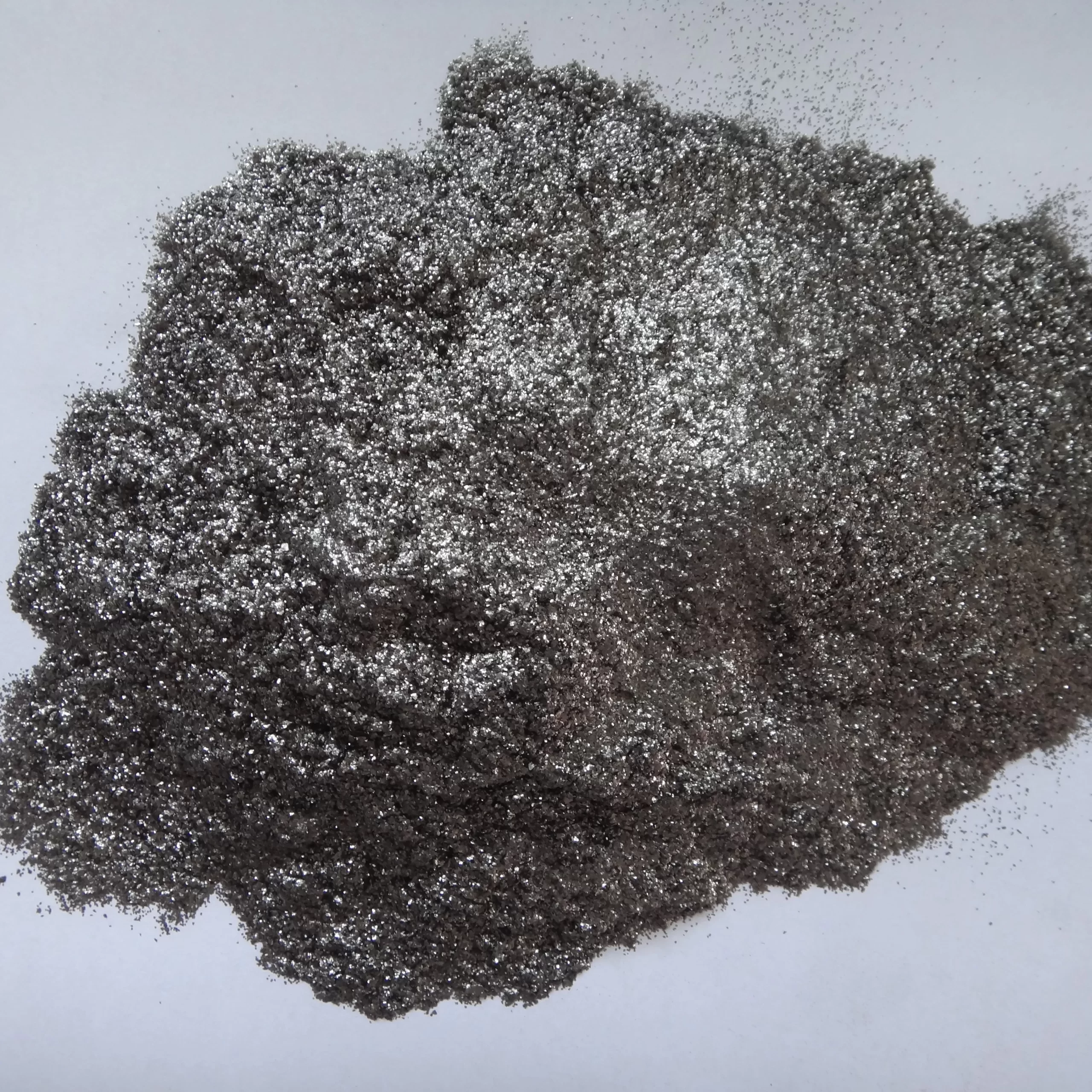
Natural Graphite Powder

High Purity Graphite Carbon Blocks China Factory and Industrial Refractory Suppliers

Polish Varnish Cleaner & Graphite Compound Tools | Supplier
Technical Support
Industrial Carbon FAQ
Answers to common technical and procurement questions for Kenyan industrial operators.
What is the primary difference between calcined and graphitized petroleum coke?
Calcined petroleum coke (CPC) is produced by heating raw petroleum coke to remove volatile components, making it ideal for aluminum anode production. Graphitized petroleum coke (GPC) undergoes further high-temperature treatment to transform the carbon structure into graphite, which significantly increases electrical conductivity and thermal stability. GPC is primarily used as a high-end recarburizer in steel and iron casting where high purity and rapid carbon absorption are required.
How do I choose the right grade of graphite electrode for my electric arc furnace?
Selection depends on your furnace power and production volume. UHP (Ultra High Power) electrodes are best for high-current operations with large capacities, offering the lowest resistance and highest strength. HP (High Power) is suitable for medium-to-large furnaces, while RP (Regular Power) is designed for smaller operations. You should evaluate your typical amperage and the thermal stress your electrodes face to determine the optimal grade for minimizing consumption.
Can you provide custom particle sizes for graphite powder used in foundries?
Yes, we provide various grain sizes to meet specific metallurgical requirements. Fine powders are generally preferred for rapid dissolution and uniform distribution in molten metal, while coarser grades may be used for specific casting applications. We recommend reviewing your current scrap rate and carbon distribution patterns; our technical team can then suggest a specific mesh size to optimize your recarburization process.
What quality certifications are provided with shipments to Kenya?
Every shipment is accompanied by a comprehensive Certificate of Analysis (COA) from our internal laboratory. This report includes critical technical indicators such as fixed carbon percentage, sulfur content, ash content, and volatile matter. For graphite electrodes, we provide specifications on electrical resistivity and bulk density. This ensures that the material arriving at your facility matches the agreed-upon technical standards perfectly.
How does the use of high-purity recarburizers affect the cost of iron casting?
While high-purity materials may have a higher unit price, they reduce the total cost of production by decreasing the amount of material needed to reach the target carbon level. More importantly, they significantly reduce the rate of rejected castings caused by sulfur-induced porosity or inconsistent hardness, leading to higher overall plant efficiency and lower waste costs.
While high-purity materials may have a higher unit price, they reduce the total cost of production by decreasing the amount of material needed to reach the target carbon level. More importantly, they significantly reduce the rate of rejected castings caused by sulfur-induced porosity or inconsistent hardness, leading to higher overall plant efficiency and lower waste costs.
What is the typical lead time for bulk carbon shipments to East African ports?
Lead times vary based on the production schedule and shipping route. However, because we maintain a large annual capacity of 60,000 tons and established export protocols, we can typically offer more stable lead times than smaller traders. We recommend coordinating your procurement cycles with our sales team to ensure a buffer stock is maintained, mitigating any potential global shipping delays.
Global Partnership
Secure Your Industrial Carbon Supply in Kenya
Whether you are operating a steel mill, an aluminum plant, or a precision foundry in Kenya, stable access to high-purity carbon materials is the foundation of your quality. Partner with a producer that combines 20 years of expertise with the scale to support your growth. Contact us today to discuss your technical specifications and receive a tailored material proposal.
Discuss Your Requirements


