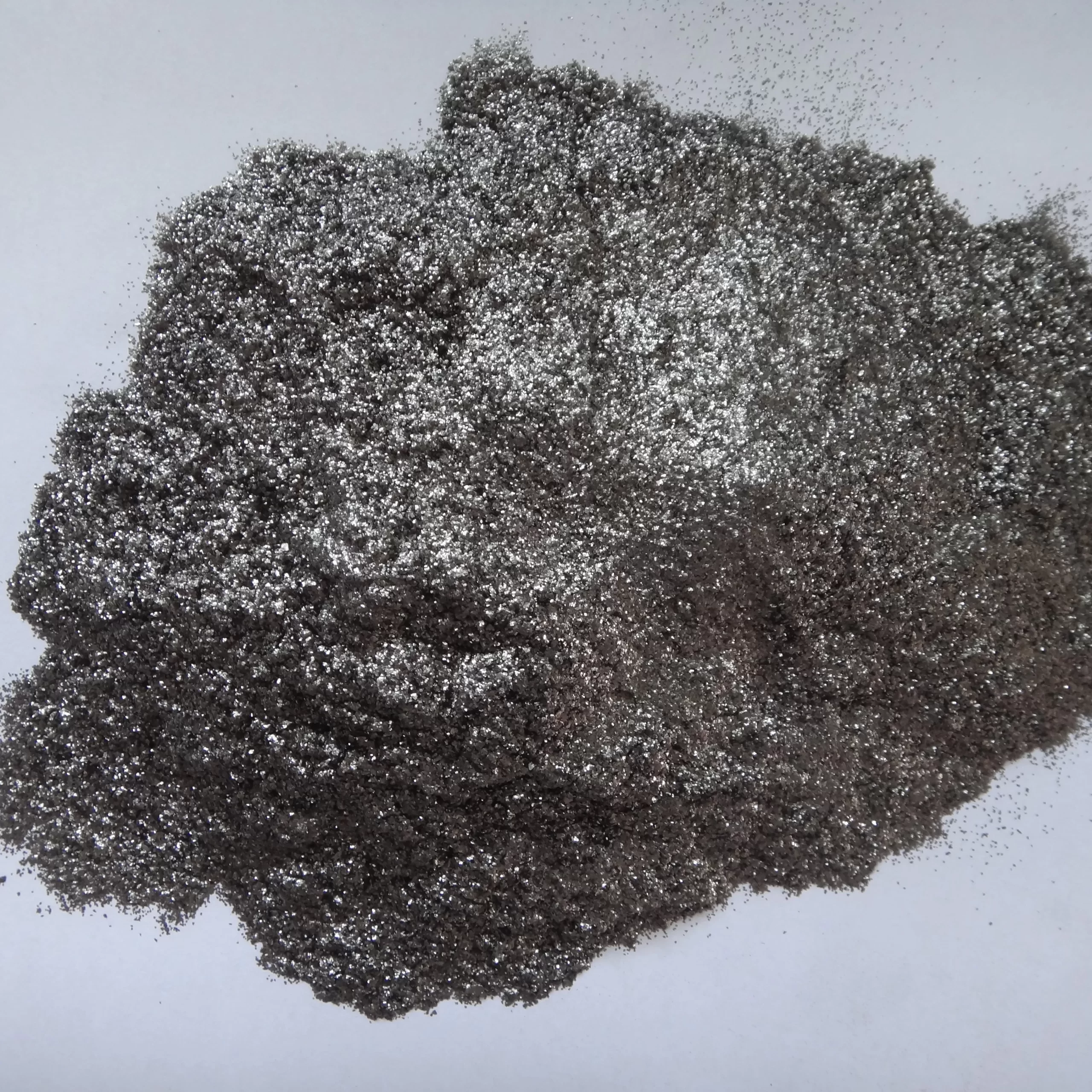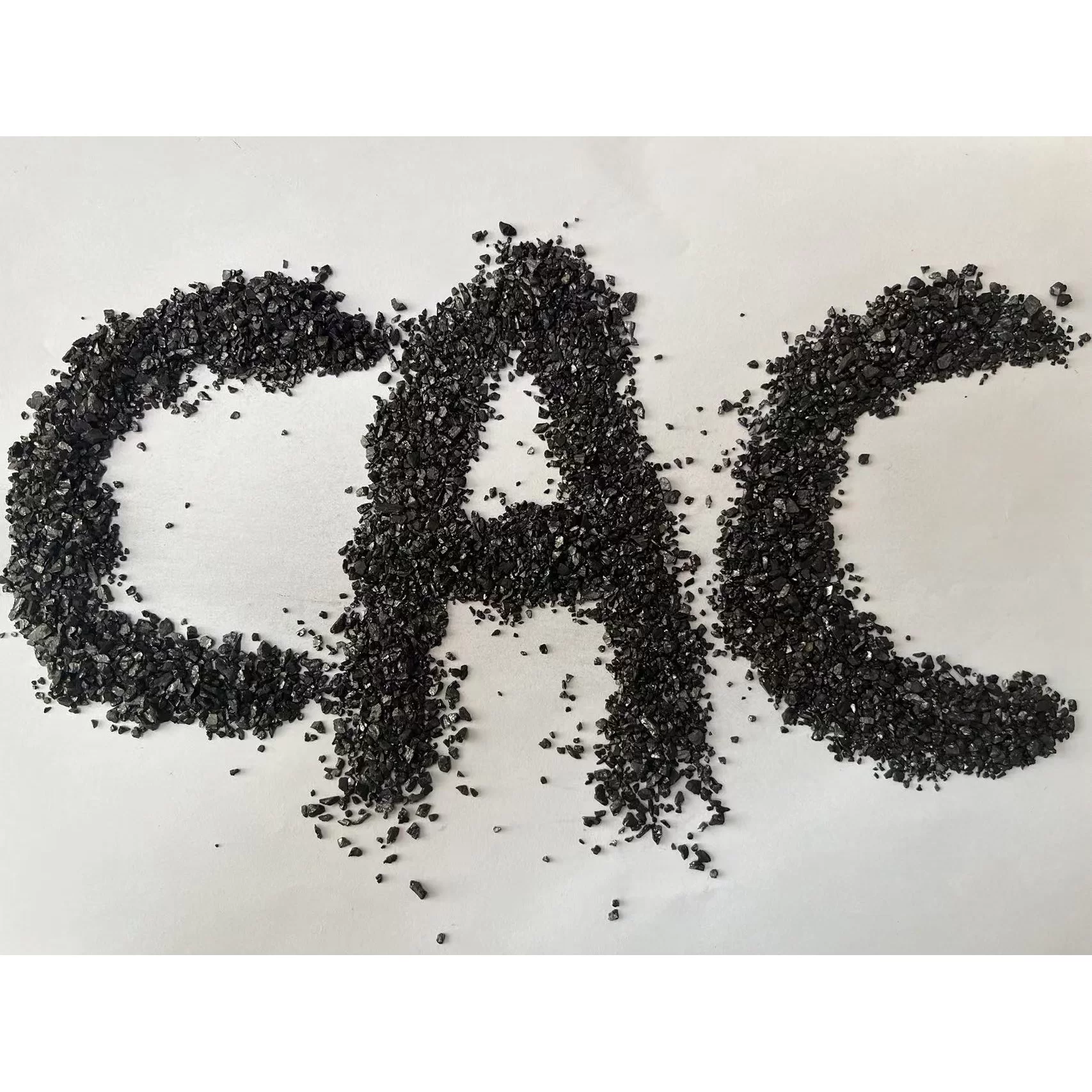
Engineered carbon products designed to enhance thermal efficiency and reduce casting costs in smelting environments.


Addressing the operational intersection of mineral extraction and industrial processing.
The industrial landscape in the Democratic Republic of the Congo is heavily influenced by its vast mineral wealth. For local smelting and casting operations, the stability of raw material supply chains is critical. The regional geography often necessitates logistics planning that accounts for remote production sites, making the reliability of imported high-grade carbon additives a priority for operational continuity.
Local buyers in the aluminum and steel sectors increasingly prioritize materials that offer high purity and stable chemical compositions. The demand for calcined petroleum coke is driven by the need for consistent anode quality in electrolysis, while foundries focus on recarburizers that minimize impurities in iron casting to ensure structural integrity of the final parts.
Procurement in this market often revolves around balancing cost-efficiency with technical performance. Companies are shifting away from generic carbon sources toward specialized products like graphitized petroleum coke, which provides superior electrical conductivity and thermal resistance, essential for reducing energy consumption in high-temperature furnace operations.
Tracing the transition from basic carburization to precision graphite engineering.
Key drivers shaping the next era of industrial carbon usage.
Transitioning from bulk carbon to specific grades of graphite powder for precise alloy composition.
Using high-efficiency recarburizers to reduce melting time and lower overall casting expenses.
Implementing high-density graphite blocks to withstand extreme temperature cycling in furnaces.
Developing leaner supply chains to ensure steady delivery of carbon materials to interior industrial zones.
The future of carbon materials in the Democratic Republic of the Congo will be defined by the drive toward higher purity and lower environmental impact. As metallurgical processes become more sophisticated, the requirement for materials that provide consistent electrical properties—such as UHP electrodes—will increase to maintain competitive production costs.
From a commercial perspective, the integration of global supply standards will allow local enterprises to scale their production of aluminum and steel, provided they can secure stable access to high-quality recarburizers and graphite products that minimize furnace downtime.
How high-grade carbon materials are deployed across various industrial sectors.
Using calcined petroleum coke as a primary raw material for pre-baked anodes to ensure high electrical conductivity and low impurity levels in aluminum electrolysis.
Integrating graphitized petroleum coke as a recarburizer in the production of auto parts and industrial pipes to achieve precise carbon content and fine grain structure.
Deploying high-power arc furnace electrodes to maintain a stable plasma arc, ensuring efficient melting of scrap steel and optimal heat distribution.
Utilizing precision-machined graphite blocks for furnace components that require exceptional thermal shock resistance and chemical stability at extreme temperatures.
Applying fine graphite powder for the precise addition of carbon in specialty steel alloys, ensuring uniform distribution and reducing waste in the casting process.
Two decades of commitment to industrial raw material excellence.
Established as a large-scale graphite production enterprise in China, building over 20 years of specialized experience in the carbon materials sector.
Developed two full production lines achieving an annual comprehensive capacity of 60,000 tons, ensuring a stable supply of electrodes and recarburizers.
Successfully exported high-quality carbon products to Southeast Asia, the Middle East, Europe, and Africa, establishing a reputation for reliability and quality.
A comprehensive range of graphite and carbon products designed for the unique challenges of regional smelting and casting.
Expert answers to common questions regarding carbon materials in the smelting industry.
The choice depends on the required conductivity and purity. Calcined petroleum coke is typically used for aluminum anode production due to its stability, while graphitized petroleum coke is preferred for iron casting where higher carbon recovery and better conductivity are needed to reduce energy costs.
Moisture protection and packaging durability are paramount. We recommend reinforced bulk packaging to prevent contamination and degradation during long-haul transit over varied terrain, ensuring the material reaches the site with its chemical properties intact.
Electrodes impact cost through their consumption rate and electrical efficiency. High-quality electrodes reduce the frequency of replacements and decrease electrical resistance, which directly lowers the kilowatt-hour cost per ton of steel produced.
Graphite powder allows for more precise dosing and faster dissolution into the melt. This leads to a more homogeneous alloy composition and reduces the time required for the carburization process, improving overall throughput.
Yes, based on our 20 years of experience and laboratory inspection systems, we can align product purity, grain size, and density with your specific industrial requirements to ensure compatibility with your existing furnace setups.
We employ a strict quality control system featuring a dedicated laboratory and inspection process. Every batch is tested for consistency in carbon content and physical properties before shipment to ensure it meets the rigorous demands of global industrial partners.
Discuss your technical requirements and secure a stable supply of high-performance carbon materials for your operations in the Democratic Republic of the Congo.
Contact Us Now