


Regional Analysis
The Carbon Material Landscape in Egypt
Analyzing the synergy between graphite production and Egypt's industrial infrastructure.
Egypt's industrial sector is heavily anchored by its aluminum smelting and steel manufacturing capabilities, which are vital for national infrastructure development. These industries rely on a steady influx of high-quality carbon materials to maintain furnace efficiency and product purity. The geographical location of Egypt serves as a strategic hub for the distribution of arc furnace electrodes and recarburizers across the Middle East and Africa. However, the market is often sensitive to global supply chain fluctuations, necessitating partnerships with large-scale producers who can guarantee consistent volumes and rigorous quality standards.
Current market trends indicate a significant shift toward higher-grade, more efficient carbon additives. Industrial operators in Egypt are increasingly prioritizing "low-sulfur" and "high-carbon" specifications to comply with stricter environmental regulations and to improve the mechanical properties of cast iron and steel. There is a growing demand for graphite blocks and specialized powders that can reduce energy consumption in electric arc furnaces (EAF). This transition is driven by the need to lower operational costs amidst rising energy prices and a global push toward more sustainable smelting practices.
The outlook for Egypt's carbon material market remains positive, with opportunities expanding as the country invests in new industrial zones and urban expansion. The primary constraint remains the balance between cost and quality; while low-cost materials are available, the total cost of ownership is lower when using high-performance products that reduce electrode consumption and casting scrap. For global suppliers, the opportunity lies in providing integrated solutions that combine raw materials—such as calcined anthracite coal—with technical support to help Egyptian plants optimize their material usage and production cycles.
Industry Progression
Evolution of Industrial Carbon Applications
From basic carbon additives to precision-engineered graphite solutions.
Early Stage
Basic Recarburization
Industries relied on crude carbon sources with high impurity levels, leading to significant slag formation and inconsistent metallurgy in early smelting plants.
Adoption Phase
Standardized Graphite
The shift toward graphitized petroleum coke allowed for better control over carbon diffusion, improving the quality of ductile iron and automotive parts.
Modern Era
Precision Carbon Engineering
Current focus on ultra-high purity (UHP) materials and specialized graphite powders to maximize energy efficiency and reduce the carbon footprint of heavy industry.
Shift to UHP Electrodes
The industry has moved from regular graphite to Ultra-High Power (UHP) electrodes. This change was necessitated by the increase in furnace power densities, requiring materials that can withstand higher currents without excessive thermal expansion or premature breakage.
Optimization of CPC Processes
Calcined Petroleum Coke (CPC) has evolved from a simple additive to a precision-engineered raw material. Modern calcination processes now ensure uniform pore structure, which is critical for the longevity of pre-baked anodes in aluminum electrolysis.
Carbon-Neutral Aspirations
There is a growing movement toward reducing the emission of volatile organic compounds (VOCs) during the carburization process. This has led to the development of denser, higher-purity graphite materials that react more efficiently in the melt.
Future Outlook
Strategic Trends in Global Carbon Manufacturing
How technology and regulation are reshaping the demand for graphite products.
Energy-Efficient Smelting
Focus is shifting toward carbon materials that facilitate faster melting cycles. Higher conductivity graphite reduces the electrical resistance in the furnace, lowering the kWh per ton of steel.
Purity Standardization
Industrial users are moving away from generic grades toward specific purity levels. The demand for low-ash and low-sulfur petroleum coke is rising to ensure the high fatigue strength of final metal products.
Automated Material Feed
The adoption of precision feeding systems for graphite powder requires materials with very specific particle size distributions to prevent clogging and ensure consistent dosing in automated foundries.
Diversification of Carbon Sources
To reduce dependency on a single raw material, plants are experimenting with blends of petroleum coke and calcined anthracite coal to optimize both cost and reactivity.
The integration of digital quality monitoring is becoming a prerequisite for high-volume procurement. Modern industrial plants now require detailed chemical analysis reports for every batch of carbon materials. This shift ensures that the interaction between the carburizer and the molten metal is predictable, minimizing the risk of "cold shuts" or gas porosity in the final casting. As Egypt continues to modernize its manufacturing base, the role of high-precision graphite becomes central to achieving international quality certifications for exported metal products.
Furthermore, the synergy between graphite production and energy management is intensifying. The development of high-density graphite blocks and electrodes is not just about durability but about optimizing the thermal gradient within the furnace. By reducing heat loss and improving electrical conduction, plants can significantly decrease their operational overhead. This technical evolution is driving a transition from viewing carbon as a simple consumable to viewing it as a strategic tool for process optimization and environmental compliance.
Application Cases
Carbon Material Applications in Egyptian Industry
Practical implementation of graphite solutions across various industrial settings.
01
Aluminum Smelting Plants in Industrial Zones
In the high-temperature environment of aluminum electrolysis cells, operators use pre-baked anodes made from high-grade calcined petroleum coke. The local condition involves extreme thermal cycling which can cause anode cracking. By utilizing CPC with optimized pore structure, these plants reduce material waste and maintain a steady current flow, ensuring the continuous production of primary aluminum.
02
Automotive Component Foundries in Cairo
Manufacturers of ductile iron engine parts require precise carbon levels to ensure material strength. Using graphitized petroleum coke as a recarburizer prevents the formation of unwanted carbides. This leads to a more uniform graphite distribution in the cast iron, reducing the rejection rate of critical auto parts and lowering the cost of machining.
03
Steel Manufacturing via Electric Arc Furnaces (EAF)
Steel mills utilize ultra-high power graphite electrodes to melt scrap metal. Given the high energy costs in the region, optimizing electrode consumption is critical. By implementing electrodes with superior density and thermal conductivity, these mills reduce the rate of "butt-end" waste and minimize furnace downtime for electrode replacement, increasing overall tonnage output.
04
Industrial Boiler and Pipe Casting Facilities
Large-scale pipe foundries often struggle with carbon loss during long melting cycles. The use of high-activity graphite powder ensures that carbon is absorbed rapidly and efficiently. This prevents the need for multiple additions of carbon, shortening the heat cycle and reducing the oxidation of other alloying elements in the melt.
05
Specialty Alloy Production for Infrastructure
For the production of high-strength alloys used in bridge and rail construction, purity is paramount. Operators employ calcined anthracite coal and specialized graphite blocks to avoid sulfur contamination. This precision in material selection ensures that the final alloy meets stringent international safety and durability standards required for public infrastructure.
Industry Perspectives
Representative Operational Impact
How professional carbon material integration solves real-world production challenges.
Transitioning to high-purity calcined petroleum coke significantly stabilized our anode production. We observed a noticeable reduction in premature anode failure, which directly translated to more consistent aluminum output and lower energy consumption per cell.
The use of graphitized petroleum coke resolved our issues with carbon inconsistency in ductile iron casting. The precision in carbon content reduced our scrap rate for automotive parts, allowing us to meet tighter tolerances and improve our delivery schedules.
Upgrading to high-density arc furnace electrodes markedly reduced our downtime. The improved resistance to oxidation meant fewer electrode breaks per heat, which optimized our power usage and increased the overall efficiency of our steel production line.
Our Heritage
Ding An Heng: Two Decades of Carbon Excellence
Driven by a mission to provide reliable raw materials for the world's most critical industries.
20+ Years Ago
Establishment of Production Roots
Founded as a dedicated graphite production enterprise in China, focusing on the core needs of the aluminum and steel industries with a commitment to quality and stability.
Growth Phase
Capacity Expansion & Market Reach
Scaled operations to include two full production lines with an annual capacity of 60,000 tons, expanding supply from the domestic Chinese market to Southeast Asia and the Middle East.
Present Day
Global Strategic Partnership
Now a trusted global partner for aluminum electrolysis and steelmaking, exporting high-performance graphite and petroleum coke products to Africa, Europe, and beyond.

Wire Cloth Fabric & Fiber Graphite Rope for Mat | Supplier

Scrap Graphite Electrode HS Code & Felt Share Price | Vendor

Premium HP Graphite Electrodes China Factory and Leading Industrial Suppliers
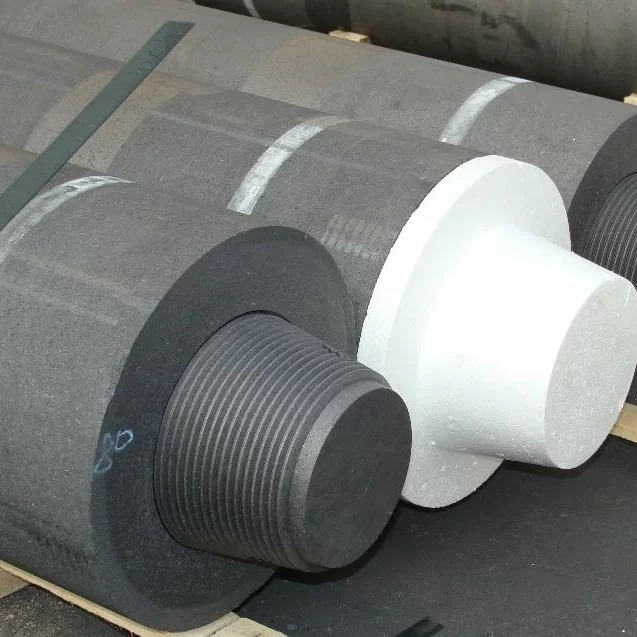
HP Graphite Electrode
Expert Guidance
Frequently Asked Questions
Clear answers to technical and procurement queries regarding carbon materials.
What is the primary difference between calcined petroleum coke and graphitized petroleum coke?
Calcined petroleum coke (CPC) is produced by heating green coke to remove volatile matter, making it ideal for anode production in aluminum smelting. Graphitized petroleum coke (GPC) undergoes further high-temperature treatment to transform the carbon into a graphite structure, significantly increasing electrical conductivity and stability. While CPC is a primary structural material for anodes, GPC is typically used as a high-efficiency recarburizer in steel and iron casting.
How does the purity of the recarburizer affect the final quality of cast iron?
The purity level, specifically the concentration of sulfur and ash, directly impacts the mechanical properties of the iron. High sulfur content can lead to brittleness and cracking, while excessive ash increases slag volume and potential inclusions. Using high-purity graphite powder ensures a clean melt and precise control over the carbon equivalent, resulting in superior tensile strength and a more uniform microstructure in the final part.
Which graphite electrode grade is most suitable for high-power electric arc furnaces in Egypt?
For high-power operations, Ultra-High Power (UHP) electrodes are strongly recommended. These electrodes are designed with a denser structure and optimized chemical composition to withstand higher current densities without excessive oxidation or mechanical failure. In the Egyptian climate and operational contexts, UHP electrodes provide the best balance between longevity and energy efficiency, reducing the frequency of electrode changes and overall operating costs.
Can calcined anthracite coal be used as an alternative to petroleum coke for recarburization?
Yes, calcined anthracite coal (CAC) is an effective recarburizer, but it behaves differently than petroleum coke. CAC typically has a different reactivity and density, which can affect the rate of carbon absorption. Many operators choose a blend of both to optimize the cost-to-performance ratio. The selection depends on the specific furnace type and the required carbon absorption speed; for instance, GPC is often preferred for faster, more precise carbon recovery.
What quality control measures are implemented to ensure material consistency across shipments?
We employ a comprehensive laboratory and inspection system that follows a strict quality control protocol. Every batch is tested for carbon content, sulfur/ash levels, density, and particle size distribution. We provide detailed analysis reports with each shipment, allowing our clients in Egypt to calibrate their production processes based on the actual chemical properties of the material, thereby eliminating the guesswork in metallurgical adjustments.
How should I choose between different grades of graphite products for my specific application?
The choice depends on three main factors: the operating temperature, the required electrical conductivity, and the target purity of the final product. For aluminum anodes, focus on the density and volatility of CPC. For steelmaking, prioritize the conductivity and wear resistance of UHP electrodes. For casting, evaluate the reactivity of GPC or CAC. We recommend sharing your current production parameters and desired outcomes with our technical team to receive a customized material recommendation.
Ready to Optimize
Secure Your Industrial Carbon Supply in Egypt
Whether you are managing an aluminum smelter, a steel mill, or a precision foundry in Egypt, the quality of your carbon materials defines your profitability. Partner with Ding An Heng to access consistent, laboratory-verified graphite and petroleum coke solutions that reduce waste and energy costs. Discuss your technical specifications with our experts today to ensure your production line operates at peak efficiency.
Discuss Your Requirements


